

Science
-

Attempt to explain away ‘dark energy’ takes a hit
For nearly 20 years, physicists have known that the expansion of the universe has begun to speed up. This bizarre acceleration could arise because some form of mysterious dark energyis stretching space. Or, it could signal that physicists’ understanding of gravity isn’t quite right. But a new study puts the screws on a broad class…
-

Daredevil-like ability allows us to size up rooms—even when we can’t see them
The blind comic book star Daredevil has a highly developed sense of hearing that allows him to “see” his environment with his ears. But you don’t need to be a superhero to pull a similar stunt, according to a new study. Researchers have identified the neural architecture used by the brain to turn subtle sounds…
-

Rigid vegetarian diet may have done in ancient cave bears
The cave bear mysteriously went extinct about 24,000 years ago—and new research is offering some tantalizing clues as to why.
-
How some salamanders regrow their limbs
The ability to grow a new limb may seem like something straight out of science fiction, but new research shows exactly how animals like salamanders and zebrafish perform this stunning feat—and how humans may share the biological machinery that lets them do it.
-
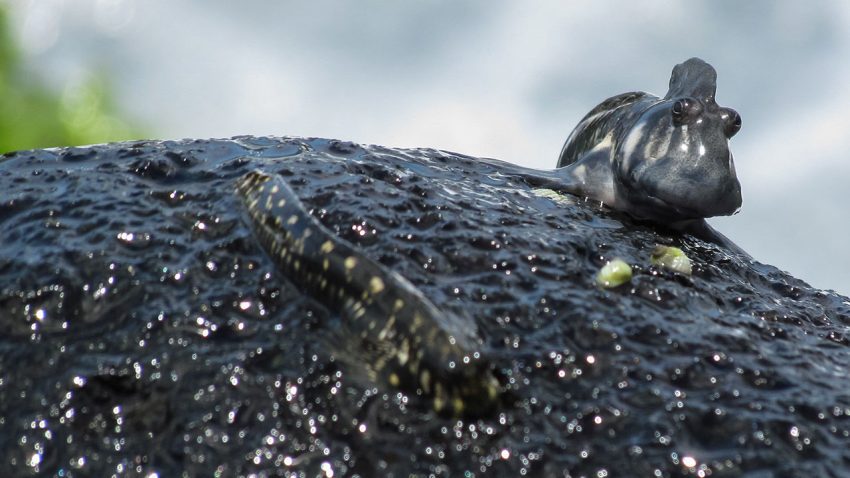
Fish may have evolved to live on land more than 30 times
The first fish that stepped onto land more than 350 million years ago wasn’t a fluke. Our ocean friends may have evolved the ability to come out of the water at least 30 times over the ages, according to a new study of the diversity of amphibious fish alive today. The work highlights the factors…
-

Underground injections turn carbon dioxide to stone
Researchers working in Iceland say they have discovered a new way to trap the greenhouse gas carbon dioxide (CO2) deep underground: by changing it into rock. Results published this week in Science show that injecting CO2 into volcanic rocks triggers a reaction that rapidly forms new carbonate minerals—potentially locking up the gas forever.
-
Some U.S. nuke testing sites are now less radioactive than Central Park
The Marshall Islands were one of the United States’s go-to nuclear testing sites in the 1940s and 1950s: Sixty-seven of the almost 200 tests during that period took place in these remote Pacific islands. Now, almost 60 years after the last bomb dropped, some of the islands abandoned because of the testing may finally be ready for…
-

Questions abound after study links tumors to cellphone radiation
Male rats exposed to cellphone radiation in a large U.S. government study were more likely to develop rare brain and heart cancers, a preliminary analysis has found, adding weight to concerns the ubiquitous devices could pose a health risk to people. But though the study is the most comprehensive yet of lab animals exposed to…
-
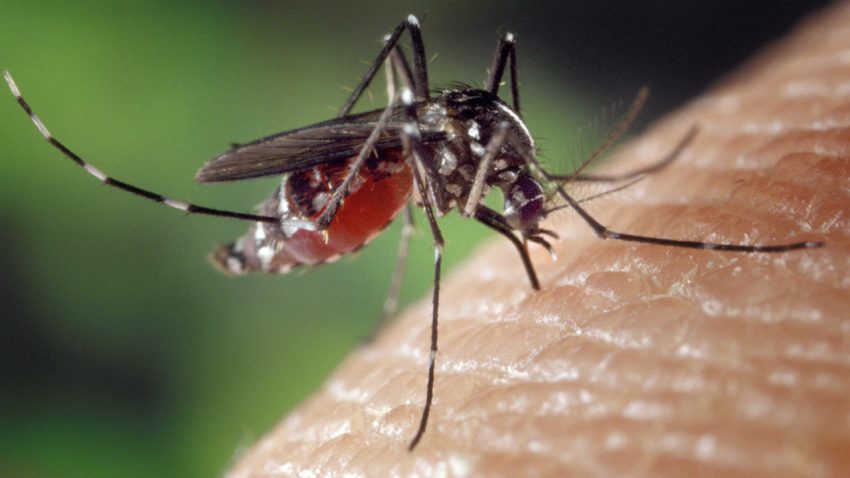
Top mosquito suspect found infected with Zika
The usual suspect has been caught, not red-handed but red-bellied. Since the beginning of the Zika virus outbreak in Brazil, health authorities and researchers have strongly suspected that the mosquito Aedes aegypti, known for spreading several deadly viruses, was also guilty of spreading Zika from one person to another. But direct evidence had been hard…