

Scientific American
-
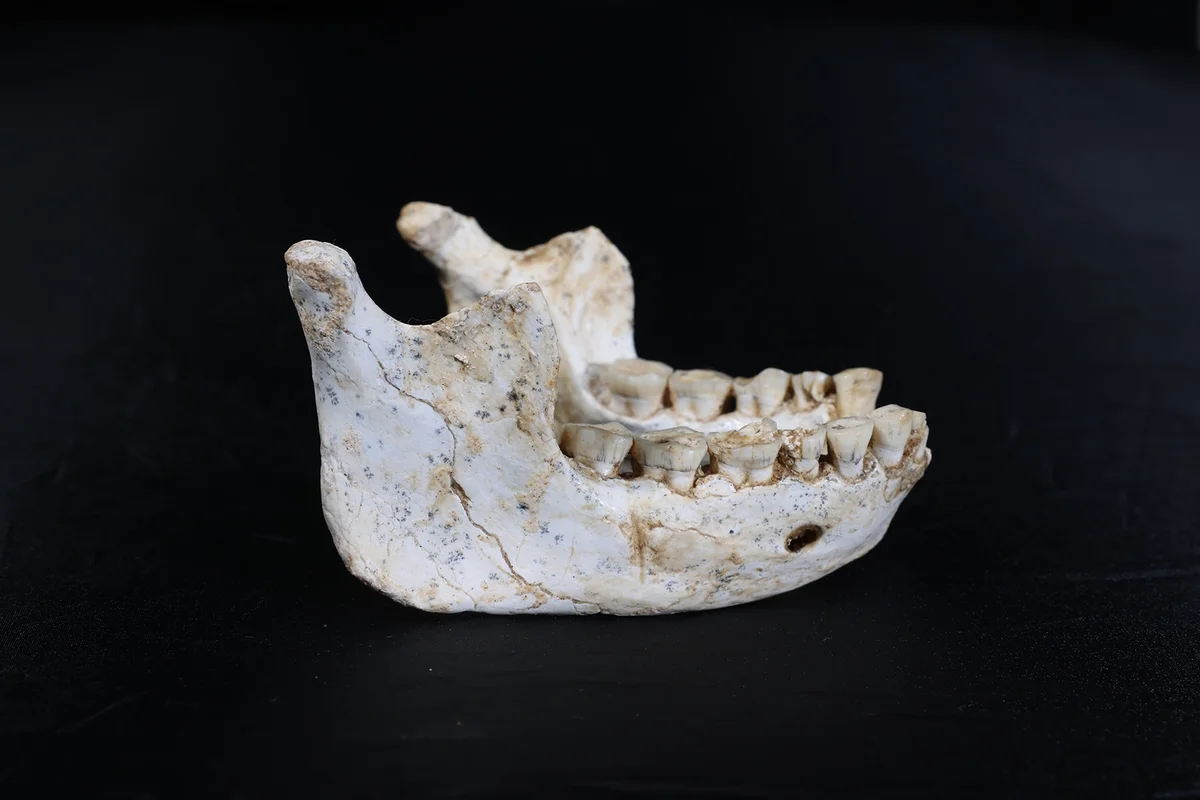
Could This Fossil Be the Key Linking Humans, Neandertals and Denisovans?
Fossils of a human ancestor from 773,000 years ago may be near the base of the Homo sapiens lineage, representing a common ancestor of modern humans, Neandertals and Denisovans
-

Ancient Romans Guarding Hadrian’s Wall Were Riddled with Worms and Parasites
Romans living in ancient Britain were plagued by intestinal parasites, all of which are spread by fecal contamination
-
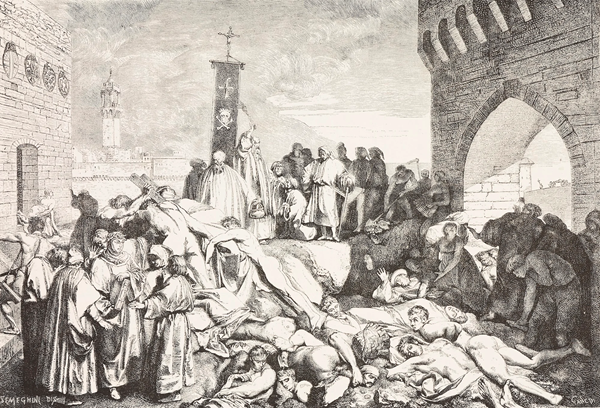
How an Overlooked Eruption May Have Sparked the Black Death
The Black Death ravaged Europe, and scientists and historians are still working to understand how it became so deadly
-
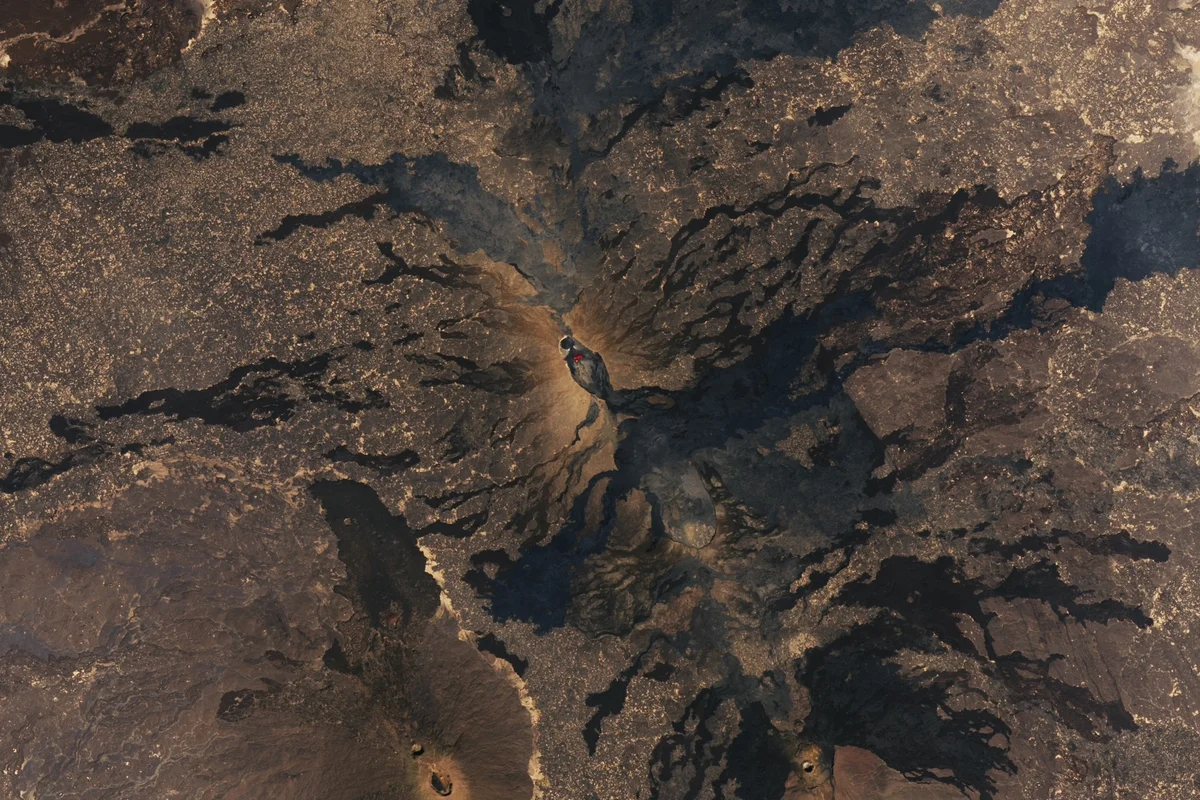
Volcano Erupts After Lying Dormant for 12,000 Years, Sending Scientists Scrambling
The Hayli Gubbi volcano, long thought to be dormant, sent ash nine miles into the sky in an eruption on Sunday
-
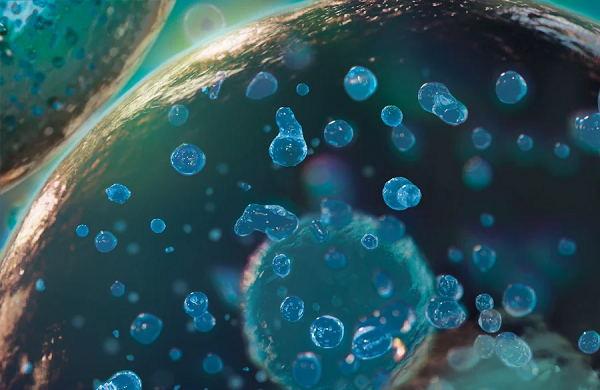
Mysterious Blobs Found inside Cells Are Rewriting the Story of How Life Works
Tiny specks called biomolecular condensates are leading to a new understanding of the cell
-

Inside a 3D-Printed Universe
Three-dimensional printouts of stellar nurseries are helping to reveal how stars are born
-

The Strangely Serious Implications of Math’s ‘Ham Sandwich Theorem’
A simple solution to gerrymandering crumbles when confronted with math’s ‘ham sandwich theorem’
-
How String Theory Solved Math’s Monstrous Moonshine Problem
A concept from theoretical physics helped confirm the strange connection between two completely different areas of mathematics
-

Surprising Creatures Lurk in the Great Pacific Garbage Patch
In the Great Pacific Garbage Patch, plastic creates strange communities that bring coastal and open-ocean animals together