

Science
-
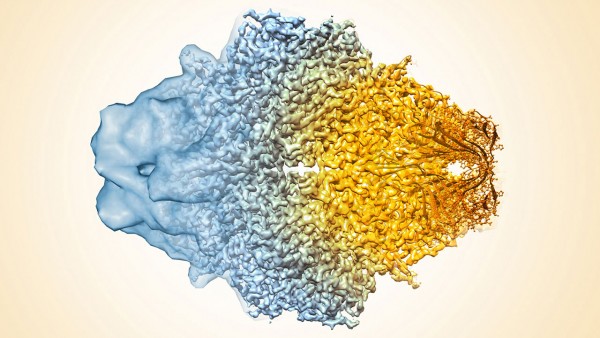
Electron microscopes close to imaging individual atoms
Researchers report that they’ve created the highest ever resolution cryo-EM image, revealing a druglike molecule bound to its protein target at near atomic resolution.
-

What your smile says about where you’re from
A new study finds that your use of facial expressions, such as smiles, is related to the migratory history of where you’re from.
-

Ancient megadrought entombed dodos in poisonous fecal cocktail
Nine hundred kilometers off the east coast of Madagascar lies the tiny island paradise of Mauritius. The waters are pristine, the beaches bright white, and the average temperature hovers between 22°C and 28°C (72°F to 82°F) year-round. But conditions there may not have always been so idyllic. A new study suggests that about 4000 years…
-

Resistance to antibiotics found in isolated Amazonian tribe
The find suggests that microbes have long evolved the capability to fight toxins, including antibiotics, and that preventing drug resistance may be harder than scientists thought.
-
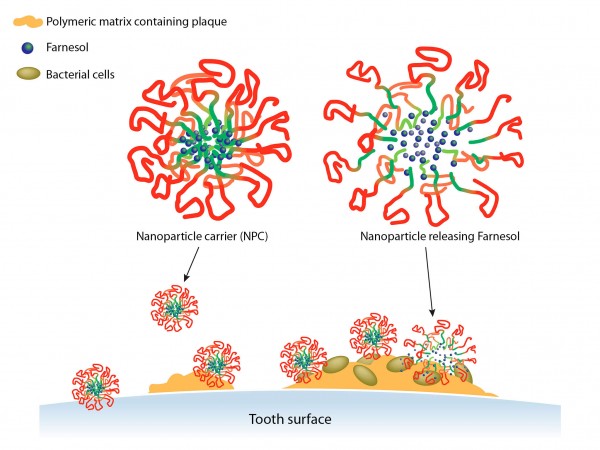
Plaque-busting nanoparticles could help fight tooth decay
Nanotechnology might soon save you a trip to the dentist. Researchers have developed tiny sphere-shaped particles that ferry a payload of bacteria-slaying drugs to the surface of the teeth, where they fight plaque and tooth decay on the spot. The approach could also be adapted to combat other plaquelike substances, known as biofilms, such as…
-
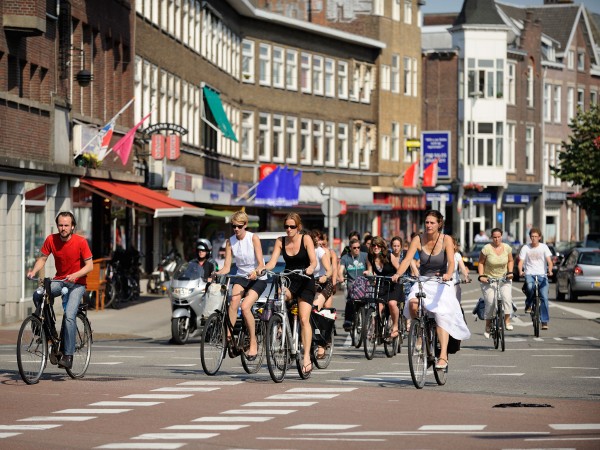
Did natural selection make the Dutch the tallest people on the planet?
Insecure about your height? You may want to avoid this tiny country by the North Sea, whose population has gained an impressive 20 centimeters in the past 150 years and is now officially the tallest on the planet. Scientists chalk up most of that increase to rising wealth, a rich diet, and good health care,…
-

How Europeans evolved white skin
Most of us think of Europe as the ancestral home of white people. But a new study shows that pale skin, as well as other traits such as tallness and the ability to digest milk as adults, arrived in most of the continent relatively recently.
-
Heat-beating beans resist climate change
Beans are a staple for hundreds of millions of people, mostly in Latin America and Africa. But these legumes, which originated in cool highlands, are particularly sensitive to excessive warmth—so much so that by 2050, climate change might cut in half the amount of land suitable for growing them. Plant breeders with the International Center…
-
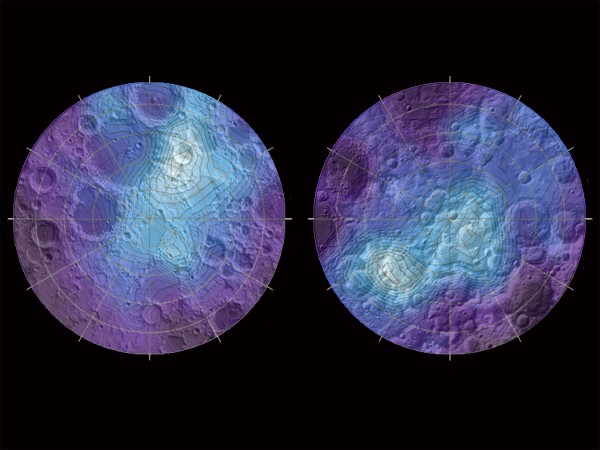
Lopsided ice on the moon points to past shift in poles
What little ice remains on Mercury and Mars is mostly confined to the planets’ poles, as one would expect, because the sun shines the least in those regions. Not so on the moon. Much of the moon’s ice, which lurks beneath the surface, is found in an area 5.5° away from the north pole and…