

Los Angeles Times
-

Earth is on track for a mass extinction, and humans are to blame, study says
“We are on the trajectory of seeing a mass extinction in two human lifetimes if we just keep doing business as usual,” said Anthony Barnosky, a paleontologist in UC Berkeley’s integrative biology department and one of the authors of the study.
-

Madness and creativity: Is genetic vulnerability to one a source of strength in the other?
From the earliest Western philosophers to the most technologically-equipped neuroscientists, the apparent connection between creative genius and mental illness has been a source of fascination and study. In the end, it may be geneticists – aided by the people of Iceland – who show that link is real.
-

Sleep: Caretaker of memories, repairer of prejudice
Learning new stuff takes sleep. Robbed of the restorative balm of slumber, research demonstrates that the human brain will quickly lose its ability to make and hold on to new memories, and learning takes a dive. A new study, however, finds that sleep is also crucial to unlearning stuff that we may have committed to…
-
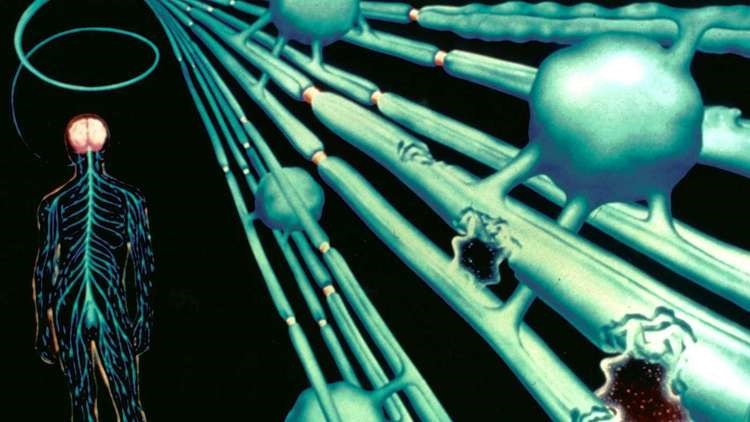
New for brain scientists: a census of neurons
With the launch of its searchable and publicly available “Cell Types Database,” the Allen Institute for Brain Science has taken a first crack at establishing a comprehensive census of cells that neuroscientists might encounter in their explorations.
-
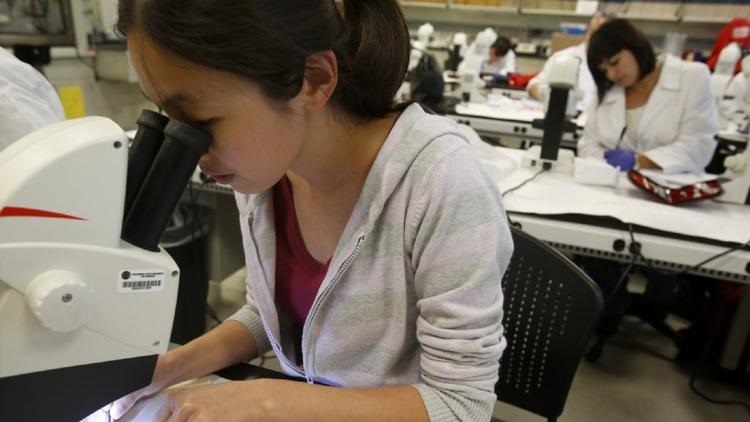
Paging ‘CSI’: Microbiome analysis may be the new fingerprint
In forensic science, fingerprints and DNA are beginning to look old-school. To catch perpetrators (or exonerate the innocent), future sleuths may find themselves collecting and comparing entire colonies of microorganisms and the people and places they inhabit.
-

Meet Loki, your closest-known prokaryote relative
Deep in hydrothermal vents beneath the Arctic Ocean, scientists have discovered an organism that sheds fresh light on the evolutionary link between simple and complex cellular life.
-

Youthful binge drinking changes the brain – for the worse – into adulthood
The adult brain that was awash in alcohol during its formative years looks different and acts differently than an adult brain that skipped the youthful binge drinking, says a new study conducted on rats.
-
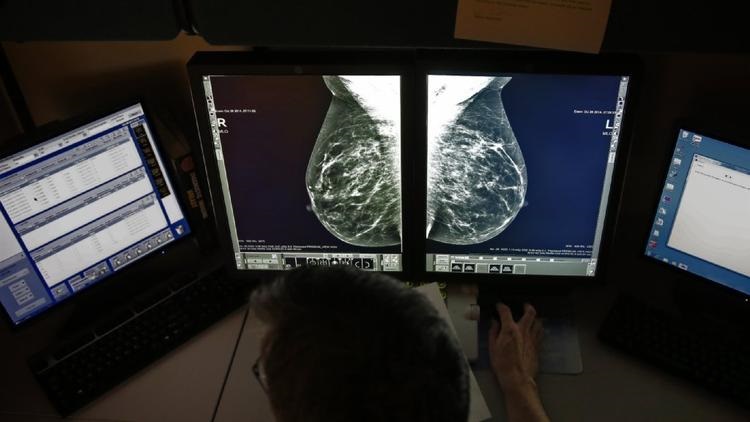
To find breast cancer, more mammograms aren’t better, expert panel says
“Women ages 40 to 49 must weigh a very important but infrequent benefit (small reduction in breast cancer deaths) against a group of meaningful and much more common harms,” according to the report. These harms include “overdiagnosis and overtreatment; unnecessary and sometimes invasive followup testing and psychological harms associated with false-positive tests; and false reassurance…
-

Study finds no magnetic field on Rosetta’s comet – why that matters
The first scientific paper to include observations from the surface of a speeding comet has been released, marking a new era in cometary science.