

Ciencia en los medios
-

We’re simply having an analogue Christmas time
We’ve found that despite the torrent of phones, tablets, laptops and other gizmos that might be given as gifts, the Christmas holiday has not yet been thoroughly infiltrated by technology – in fact, the households we studied are more likely to switch off. On the whole, the use of technology at Christmas is interesting in…
-

How we grin to bear it – the science of smiling
‘The curve that sets everything straight” was how comedian Phyllis Diller once described the smile. And it’s true that there’s something charming, trustworthy and disarming about a smile – but this can be misleading. Dig a little deeper and you will understand a much less wholesome side. Because, ladies and gentleman, the smile is one…
-

Nueva visión de la muerte de estrellas masivas con un estudio de supernovas y estallidos de rayos gamma
Las supernovas o explosiones de estrellas que emiten rayos gamma expulsan más cantidades de niquel que el resto. Es una de las conclusiones del estudio simultaneo de tres fenómenos de este tipo analizados por un equipo internacional de científicos, con participación de la Universidad del País Vasco y el CSIC.
-
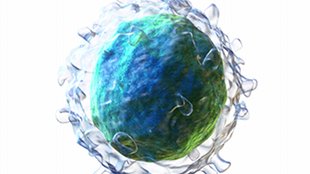
Repurposed Retroviruses
B cells have commandeered ancient viral sequences in the genome to transmit antigen signals.
-

The Startup Meant to Reinvent What Bitcoin Can Do
A company given $21 million by leading Silicon Valley investors aims to extend Bitcoin’s functionality so it can power much more than just payments.
-

Marte jomugan jarrita
Hasi dira probak ‘Orion’ espaziontziarekin. NASAk argi du xedea: gizakia Martera heltzea. Planeta ezagutzeko litzateke, eta AEBek espazioan galduriko lidergoa berreskuratzeko.
-
¿Son 75 años suficientes? ¿Cuándo deberíamos morir?
Vivir más años no viene siempre acompañados de una vida mejor. O sí. El debate entre dos expertos en la prensa estadounidense nos lleva a plantearnos si de verdad vivimos mejor, además de vivir más años.
-
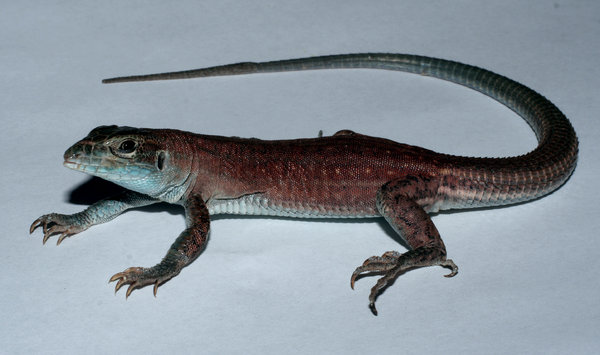
The Strange Tale of a New Species of Lizard
Aspidoscelis neavesi was produced in the lab by mating two other species, and its creation defies conventional ideas about how new species evolve. Aspidoscelis neavesi was produced in the lab by mating two other species, and its creation defies conventional ideas about how new species evolve.
-
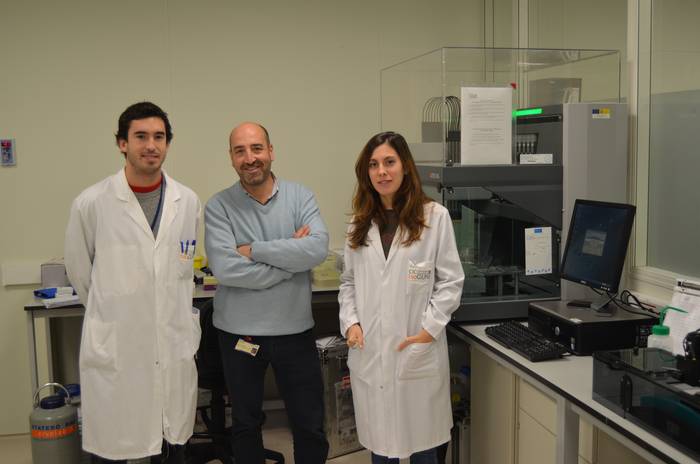
Homozistinuria gaixotasun arraroa nola sortzen den argitu dute CIC bioGUNEko ikertzaileek
Metabolismoaren herentziazko asaldura da bat da homozistinuria; akats entzimatiko bat da, eta odolean eta gernuan homozisteina metatzea eragiten du. Izan ere, asaldura hori duen pertsona ez da gai homozisteina metabolizatzeko (aminoazido bat, metionina, prozesatzean sortzen den konposatu bat da). Konposatu hori gorputzean metatzea toxikoa da, eta, ondorioz, homozistinuria duten gaixoek oso dieta berezia egin behar…