

Ciencia en los medios
-
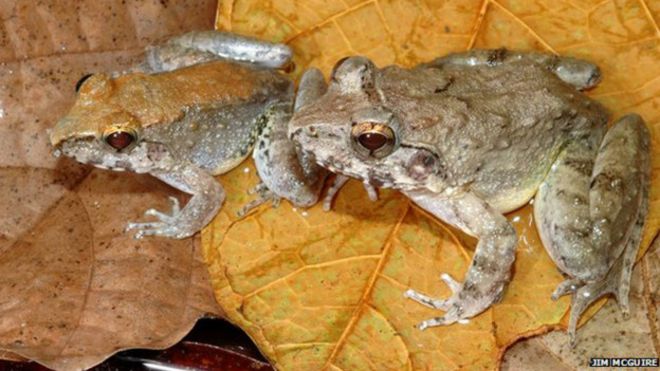
El misterio de la rana que da a luz a renacuajos sin poner huevos
Científicos descubrieron una rana que da a luz directamente a renacuajos, sin haber puesto huevos.
-

Adimen artifizialaren gizarterat
1956an, ikertzaile talde batek marraztu zuen zientziak jarraitu beharreko bide deigarri berri bat: gizakiaren adimena imitatzea. Ordutik hona, pauso nabariak eman dira, informatikan zehazki.
-

Bad luck, bad journalism and cancer rates
Please, journalists, get a clue before you write about science
-
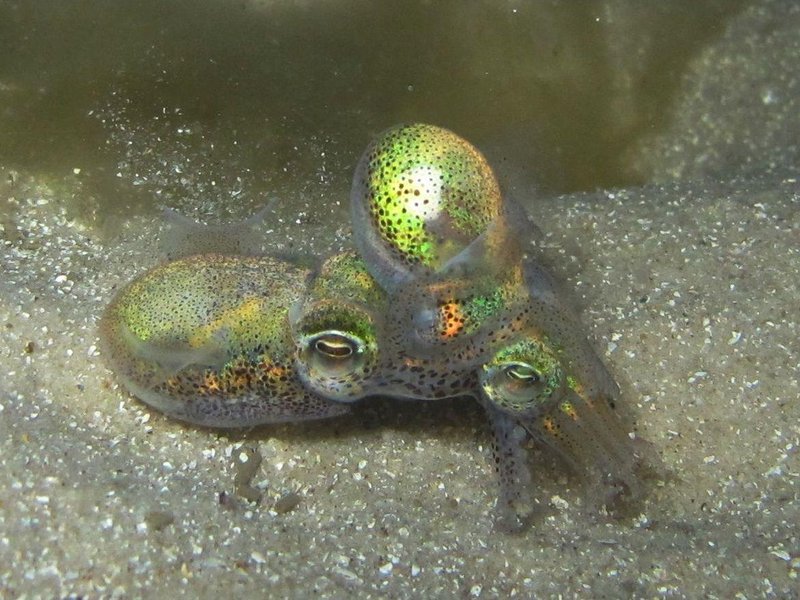
Threat of Being Eaten Doesn’t Deter Dumpling Squid From Sex
The adorable cephalopods seem to rate mating higher on their list of priorities than survival
-

NASA team hacks Opportunity to treat Mars rover’s amnesia
NASA’s Mars rover Opportunity has been working well into its golden years – after nearly 11 years roaming the Red Planet, it has survived more than 40 times past its […]
-
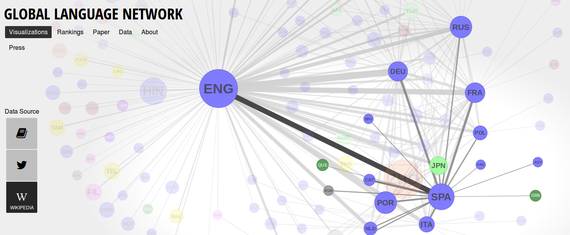
Euskararen zentralitate harrigarria munduko hizkuntzen sare-egituraren ikerketa batean
Massachussets-eko Teknologia Institutuko ikerlari batzuek munduko hizkuntzen gaur egungo «erlazio-sarea» ikertu du, hizkuntzen zentralitate funtzional modernoen mapa bat egiteko. Hiru parametroren arabera egin dute, liburu-itzulpenen indizeak, Wikipediako edukia, eta Twitterreko […]
-

Pero, ¿por qué bombardean a esos ositos de gominola con antimateria?
No es ninguna gamberrada de laboratorio, sino una prueba para analizar la textura de gelatinas que se usan para recubrir medicamentos. La técnica consiste en disparar positrones para conocer la […]
-

New Motion Detector May Find Signs of Alien Life on Other Worlds
Detecting alien life on other planets isn’t an easy task. It usually relies on chemical detection, which may be limited or even completely irrelevant to alien biology. Now, though, scientists […]
-
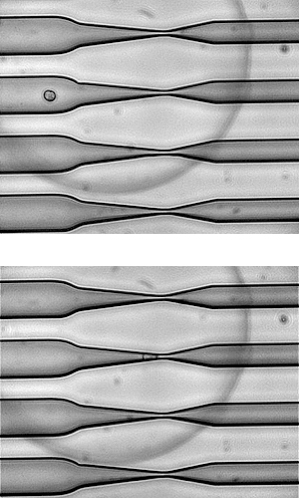
Device Squeezes Cells to Get Drugs In
A new way to get materials into cells might clear the way for powerful treatments for diseases like cancer and HIV.