

Ciencia en los medios
-
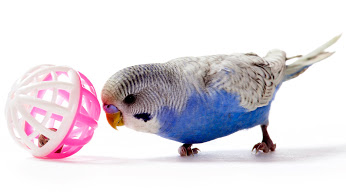
The Deep Space of Digital Reading
The Internet’s flood of information, together with the distractions of social media, threaten to overwhelm the interior space of reading, stranding us in what the journalist Nicholas Carr has called “the shallows,” a frenzied flitting from one fact to the next.
-
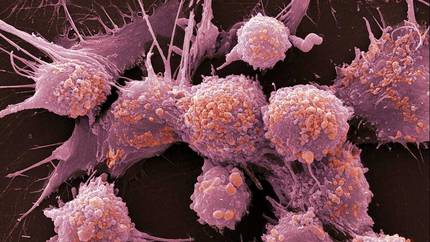
Gantz-zelulek jariatutako proteina batek eragina izan dezake prostatako minbizian
Tolosako Unibertsitatean (Frantzia) egindako ikerketa batek erakutsi duenez, gantz-zelulek jariatzen duten proteina batek eragin zuzena du prostatako minbiziaren garapenean. Lehendik ere, hainbat ikerketak iradokitzen zuten erlazioa dagoela obesitatearen eta prostatako minbiziaren agrebisibitatearen artean; orain, horren atzean dagoen mekanismoa argitu dute.
-
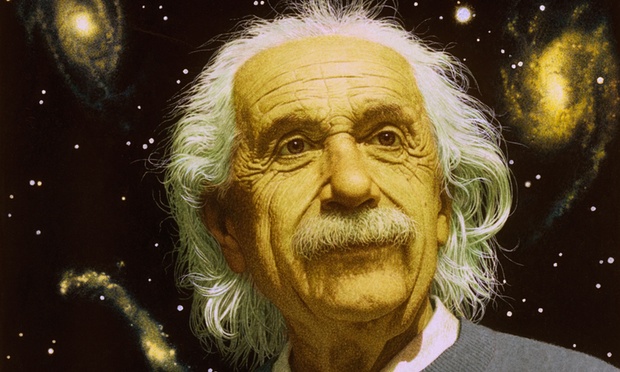
Scientists struggle to stay grounded after possible gravitational wave signal
Cosmologist’s tweet appears to confirm rumours of discovery that could ‘open a new window on the universe’
-
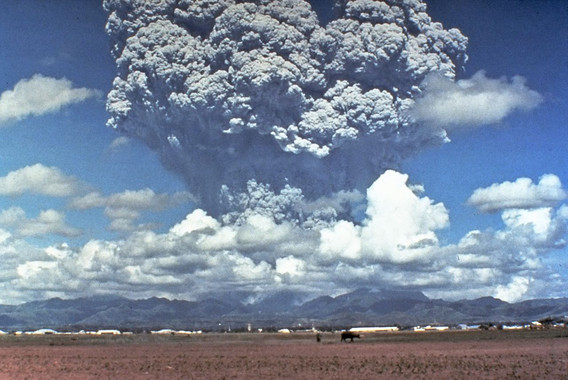
Un supervolcán arrasó el norte de la Península hace 477 millones de años
Hasta ahora se pensaba que las rocas de origen volcánico encontradas en varios puntos de la cordillera cantábrica pertenecían a diferentes épocas. Sin embargo, un nuevo estudio revela que son coetáneas, es decir que hace 477 millones de años la erupción de un supervolcán afectó el norte de la península ibérica. Sus cenizas cubrieron el…
-
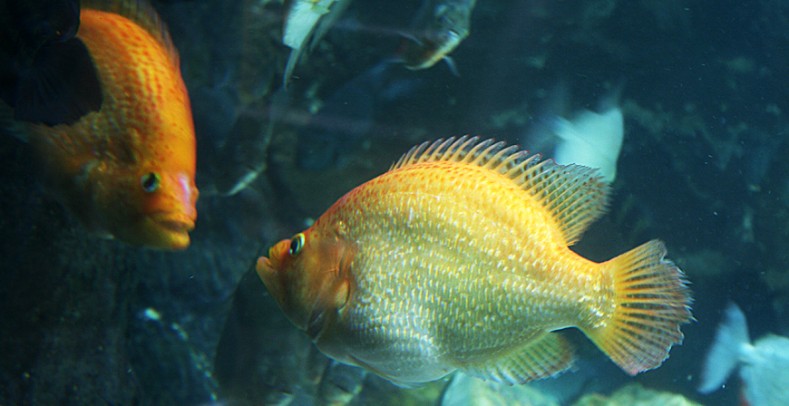
Los icebergs gigantes fertilizan el mar y fijan CO2
El estudio de las imágenes por satélite tomadas entre 2003 y 2013 ofrece una sorpresa: los gigantescos pedazos de hielo que se desprenden de la Antártida contribuyen a fijar una parte importante del dióxido de carbono de la atmósfera.
-
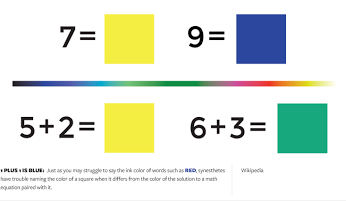
As U.S. Modernizes Nuclear Weapons, ‘Smaller’ Leaves Some Uneasy
The Energy Department and the Pentagon have been readying a weapon with a build-it-smaller approach, setting off a philosophical clash in the world of nuclear arms.
-
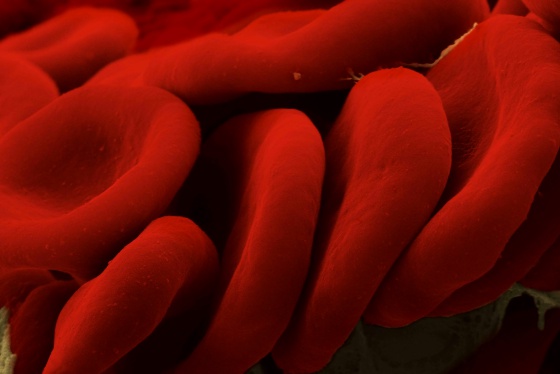
Somos simplemente 30 billones de células
Un estudio recalcula el número de células de un ser humano y dibuja un organismo formado mayoritariamente (84%) por glóbulos rojos y acompañado por 39 billones de bacterias
-
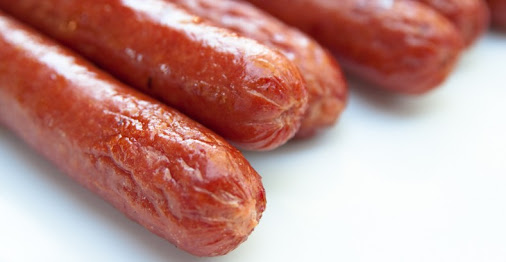
Time’s (Almost) Reversible Arrow
The laws of physics work both forward and backward in time. So why does time seem to move in only one direction? One potential answer may also reveal the secrets of the universe’s missing mass.
-
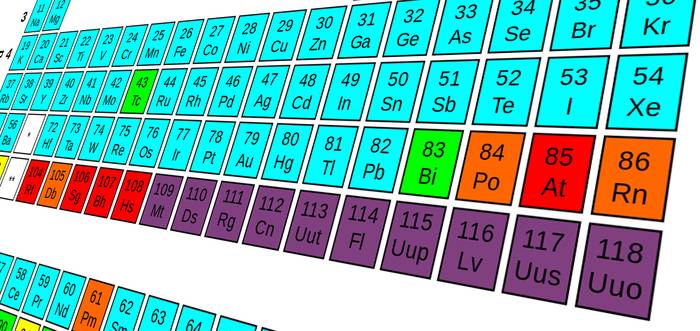
Lau elementu berri taula periodikoan
Lau elementu berrirekin hasi du urtea taula periodikoak. Izan ere, abenduaren 30ean onartu zituen ofizialki 113, 115, 117 eta 118 elementuak Kimika Huts eta Aplikaturako Nazioarteko Batasunak (IUPAC). Elementu horiekin taula periodikoaren zazpigarren lerroa osatuta gelditu da.