

Ciencia en los medios
-
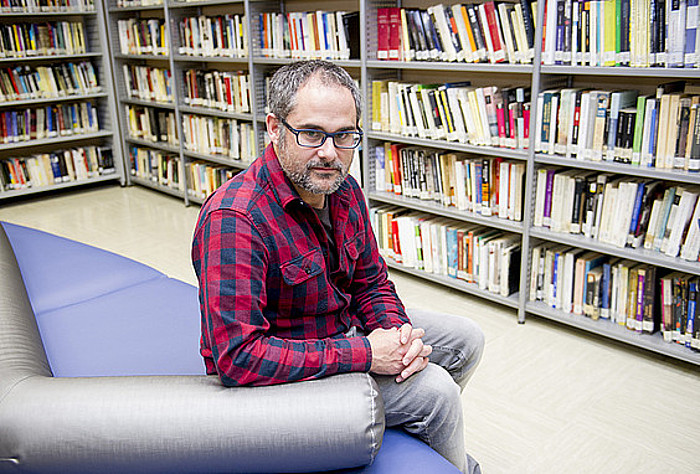
Kultura neandertala ez da berez existitzen
Neandertalek 100.000 urte baino gehiago pasatu zituzten Bizkaian; kobazuloetan eta aire zabalean indusketa lan ugari egin dituzten arren, «aztarnategi asko daude oraindik topatzeko».
-

The Modern Diet is Bad and Getting Worse: Study
The world’s diet has deteriorated substantially in the last two decades, a leading nutrition expert said on Monday, citing one of the largest studies available on international eating habits.
-

Eating peanuts prevents allergy
It may sound radical, but it works: Eating peanuts slashes the chance of a peanut allergy, at least in children at high risk of developing one, a much-anticipated study finds. The results are likely to catapult a long-standing theory—that ingesting potential food allergens is a way to prevent allergies—into mainstream medicine.
-
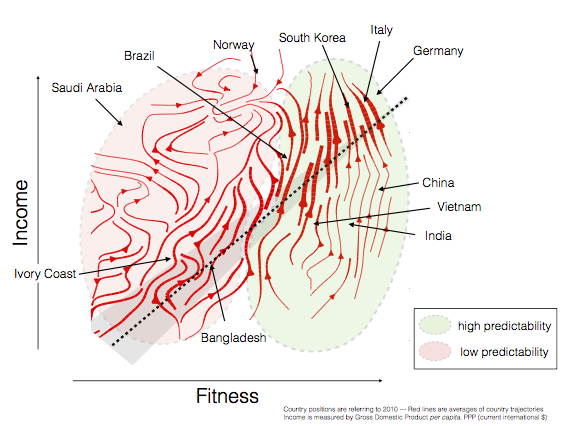
Physicists make ‘weather forecasts’ for economies
The development of some countries is as predictable as steady winds, but for others it is more chaotic, physicists find.
-
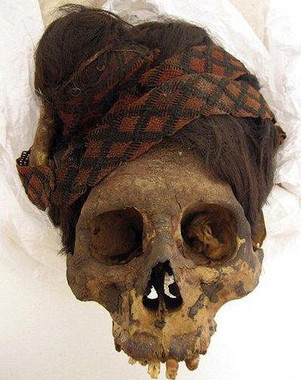
El pelo de momias revela la dieta de hace 2.000 años en la costa peruana
Un equipo internacional de científicos ha analizado el pelo de las momias halladas hace 90 años en la necrópolis de Wari Kayan (Perú) de 2.000 años de antigüedad. Los resultados revelan que los miembros de la cultura paracas, la civilización anterior a los incas, consumieron productos marinos y plantas como el maíz y los frijoles…
-
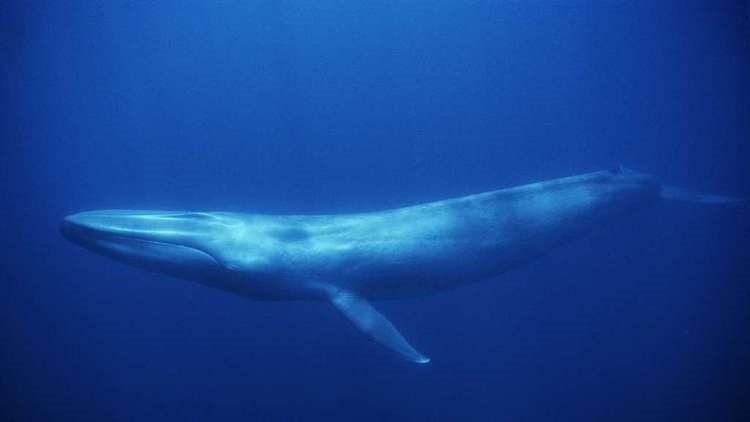
Evolution: Marine animals have grown bigger over time, study says
When it comes to evolution, bigger might really be better. A team of Stanford scientists analyzing the body sizes of marine mammals over nearly 550 million years have found that average body size has increased 150-fold.
-
We’re all mammals – so why do we look so different?
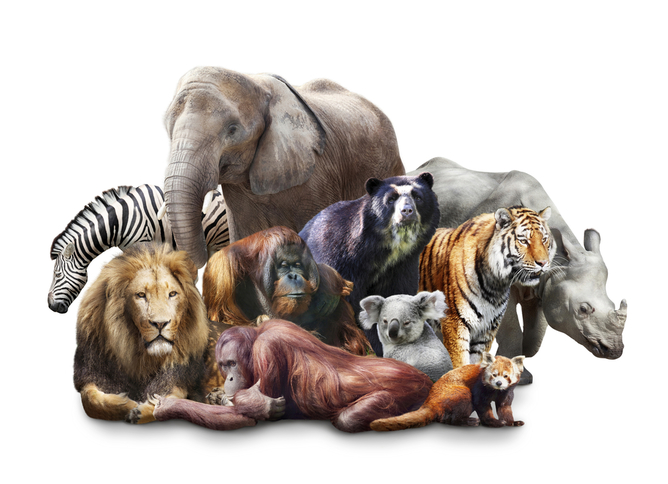
It is easy to distinguish a mouse from a cow. But for members of the same class of mammal, where do such differences begin? In 2011, scientists discovered there were differences in cow and mice blastocysts, the tiny hollow spheres of cells which precede the development of the embryo.
-
Un científico español a la caza del neutrino en Japón
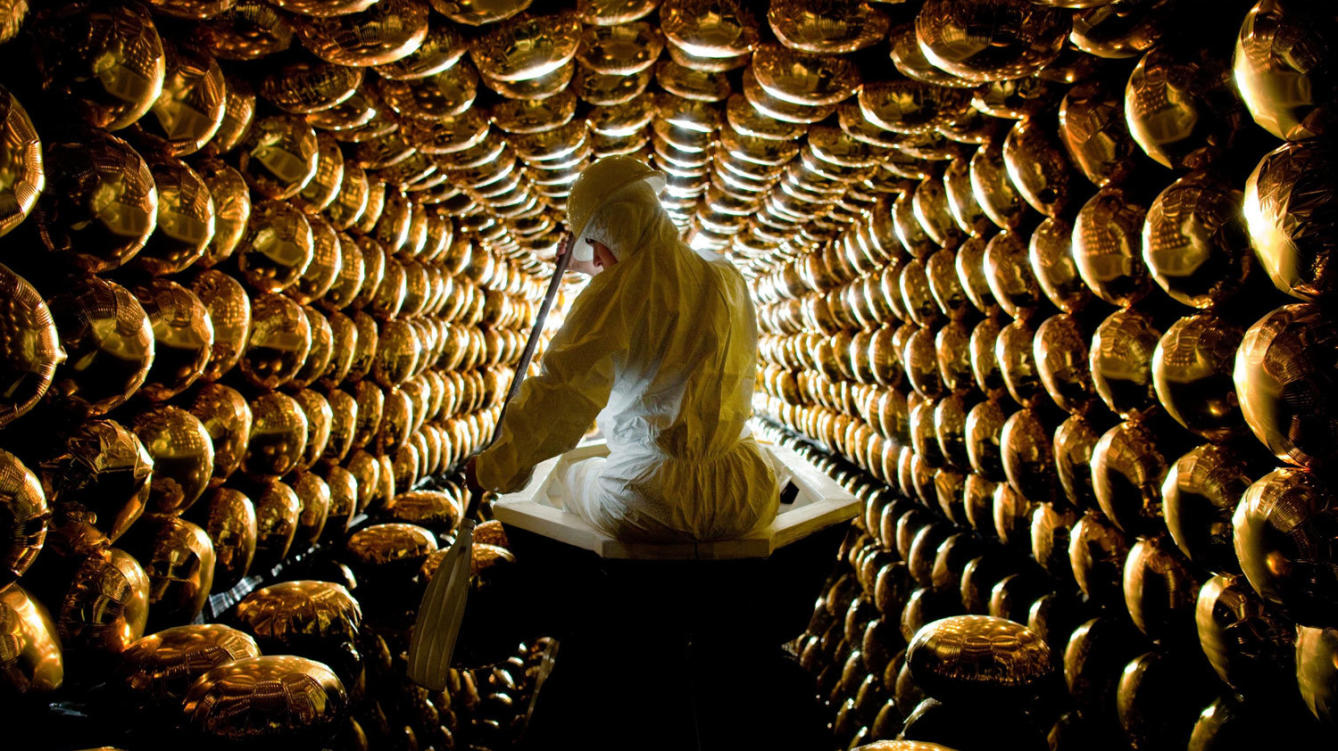
Mil millones de euros, un millón de toneladas y 13 países formarán Hyper-Kamiokande, un megaexperimento en Japón. El físico español Luis Labarga es uno de los impulsores del proyecto.
-
What goes on inside a proton?
Quarks and gluons make weird slopes and shapes inside the proton. Understanding them precisely was important for the first results from Cern’s Large Hadron Collider, and continues to be so as we approach the restart over the next few weeks