

Ciencia en los medios
-
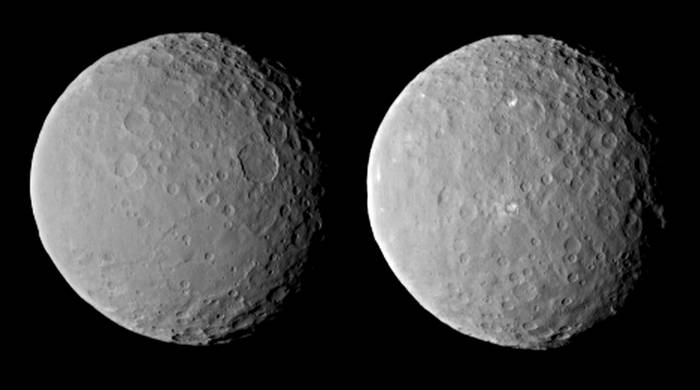
Zeres planeta nanotik gero eta gertuago
NASAren Dawn zunda 2007an atera zen asteroideen gerrikorantz. Marte eta Vesta asteroidea inguratu ondoren, bere helburu nagusira heltzear da: Zeres planeta nanoa. Hain zuzen ere, martxoaren 6an sartuko da Zeresen orbitan, planeta nanotik 13.500 km-ra, eta orbitan jarraituko du 16 hilabetez, planeta nanoaren ezaugarriak ezagutu nahian. Denbora-tarte horretan, azaroan izango da Zeresetik gertuenen; 375 kilometrora,…
-
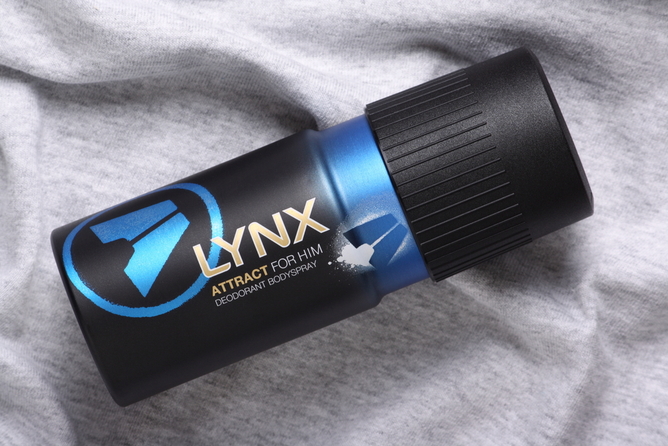
There’s no evidence human pheromones exist – no matter what you find for sale online
The idea of human pheromones is intuitively appealing, conjuring up the idea of secret signals that make us irresistible to potential partners. But this connection of pheromones with sex may be the wrong way to look at the issue – because despite 45 years of study and various claims over the years there’s still not…
-
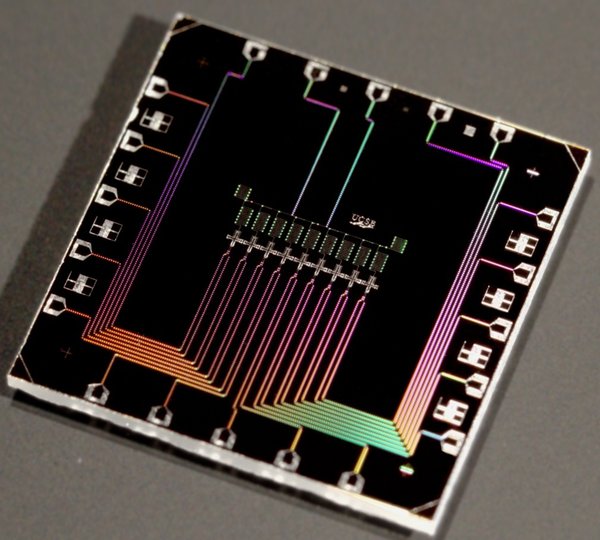
Researchers Report Milestone in Developing Quantum Computer
Scientists at the University of California, Santa Barbara, and at Googlereported on Wednesday in the journal Nature that they had made a significant advance that brings them a step closer to developing a quantum computer.
-

Found: A massive world with four suns
Astronomers have discovered a giant planet with four suns just 125 light-years from Earth.
-
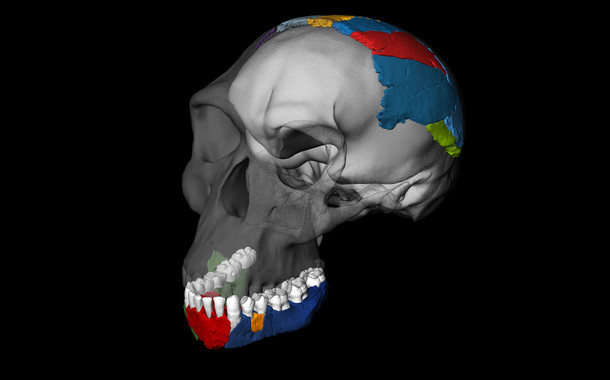
El primer ‘Homo’ existió medio millón de años antes de lo que se pensaba
Una reconstrucción en 3D del cráneo de Homo habilis hallado en Olduvai en los años 60 indica que esta especie es más antigua de lo que se creía. Según un trabajo publicado en Nature, pudo originarse hace 2,3 millones de años en lugar de 1,8 millones. Otro estudio en Science va más allá y adelanta la…
-
La planta que selecciona a su polinizador
Un estudio describe el mecanismo por el que una planta tropical produce más polen y de mejor calidad cuando ‘identifica’ a las dos especies de colibrís que más le benefician. Es el primer caso de mutualismo de este tipo que se descubre en plantas.
-
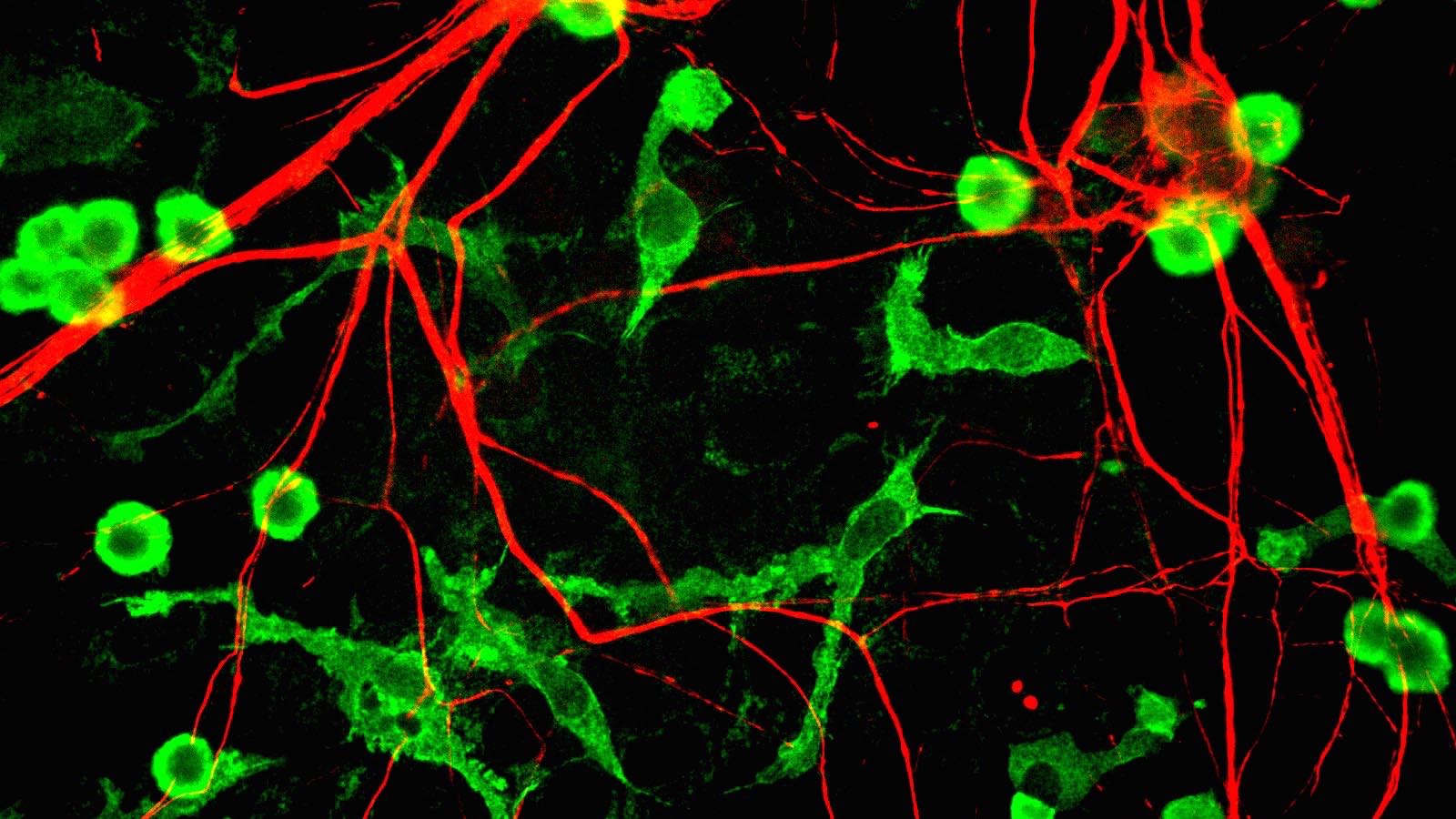
An Inflammatory Theory of Brain Disease
While it’s often thought of as a one-time event, traumatic brain injury is better described as a disease: it’s irreversible, sometimes progressive, and often affects people for the rest of their lives.
-
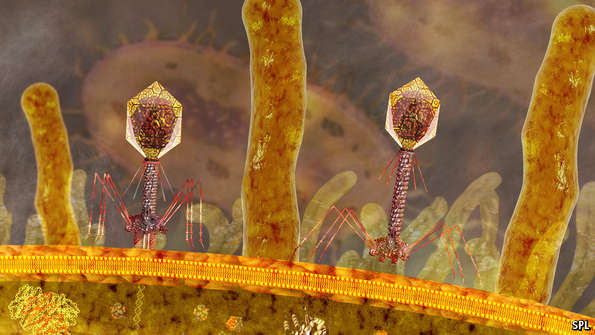
Strange medicine
SET a thief to catch a thief is an old proverb. In the 1920s, shortly after the discovery of viruses, it was put to good use by doctors. They found they could treat certain infections with bacteriophages—viruses that attack bacterial cells but not mammalian ones.
-

Sex, lives and disability
What can disabled bodies teach us about sex, and why should we listen?