

Ciencia en los medios
-

Con el cerebro en las tripas
Desde el nacimiento, millones de bacterias empiezan a colonizar nuestro intestino. Desempeñan un papel fundamental para mantener la salud física pero, además, podrían tener mucho que decir en la personalidad. Modifican el estado emocional, influyen sobre la memoria, el estado de ansiedad e incluso serían clave a la hora de elegir compañía sexual, como apuntan…
-

El Niño arrives later and weaker than expected
Long-awaited shift in tropical Pacific will have little effect on weather patterns.
-
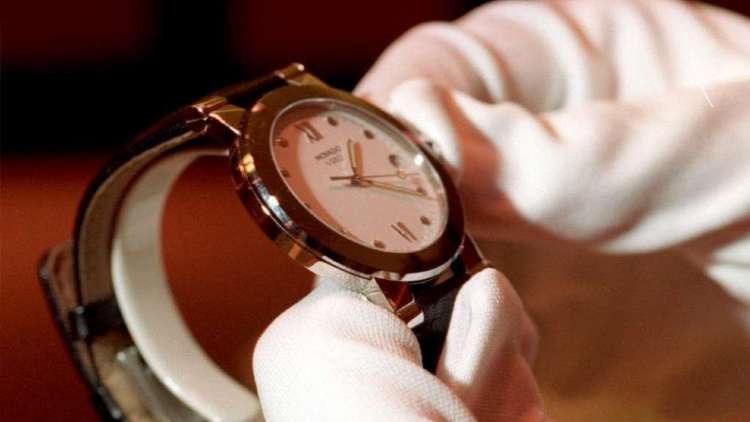
Daylight saving time is one big experiment for scientists
To some people, the transition to daylight saving time means a few days of sleep deprivation, or the chance to leave work before the sky is completely dark. To others, it’s a perfect opportunity to conduct scientific research.
-

The EMBERS Project Can Predict the Future With Twitter
Virginia Tech (VT) offers a glimpse into just how much «big data» has changed the game by magnifying the U.S. intelligence community’s ability to forecast—with phenomenal accuracy—human behavior on a global scale by scouring Twitter, YouTube, Wikipedia, Tumblr, Tor, Facebook and more. VT is using algorithms and a variety of advanced tools to sort through…
-

Killer Epidemic Is Invading Koala DNA
An infection sweeping through Australia’s koala population is revealing how retroviruses insert themselves into the genome
-
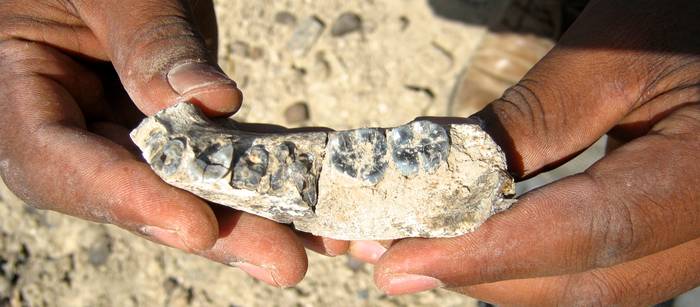
Homo generoak uste baino sustrai sakonagoak ditu
Etiopian aurkitutako hominino baten fosilak 2,8 milioi urte inguru dituela kalkulatu dute. Inoiz aurkitu den Homo generoko fosilik zaharrena da, eta milioi-erdi urte atzeratzen du Homo generoaren jatorria. Hain zuzen ere, genero hori uste baino lehenagotik datorrela ondorioztatu dute aldi berean argitaratu den beste ikerketa batean ere, Homo habilisen aspaldiko fosil bat ordenagailu bidez berregin…
-
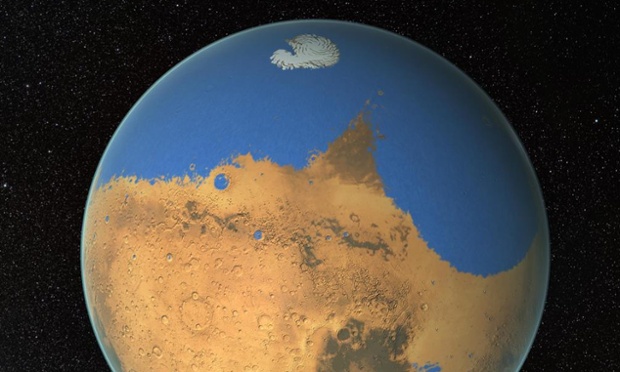
Nasa finds evidence of a vast ancient ocean on Mars
A huge primitive ocean covered one-fifth of the red planet’s surface, making it warm, wet and ideal for alien life to gain a foothold, scientists say
-
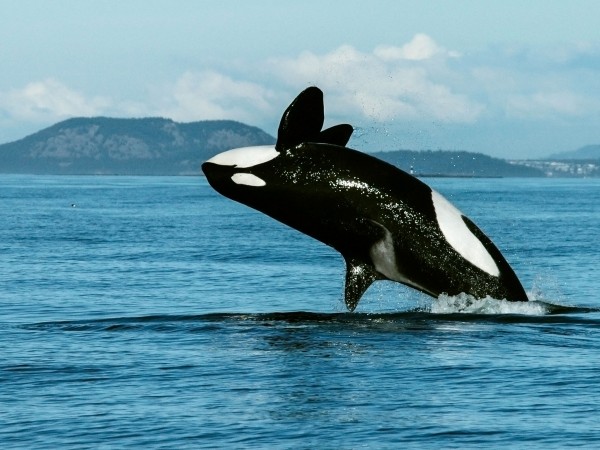
Menopausal killer whales are family leaders
Killer whales wouldn’t get far without their old ladies. A 9-year study of orcas summering off the southern tip of Vancouver Island in the Pacific Northwest finds that menopausal females usually lead their families to find salmon, particularly when the fish are scarce. Older females’ years of foraging experience may help their clans survive in…
-
Si hablas mandarín, tu cerebro es diferente
Un estudio con hablantes nativos en inglés y chino mandarín muestra diferencias en la conectividad cerebral no apreciadas hasta ahora. El resultado indica que las lenguas tonales (en las que el tono indica diferentes significados) activa áreas diferentes de las lenguas no tonales.