

Ciencia en los medios
-
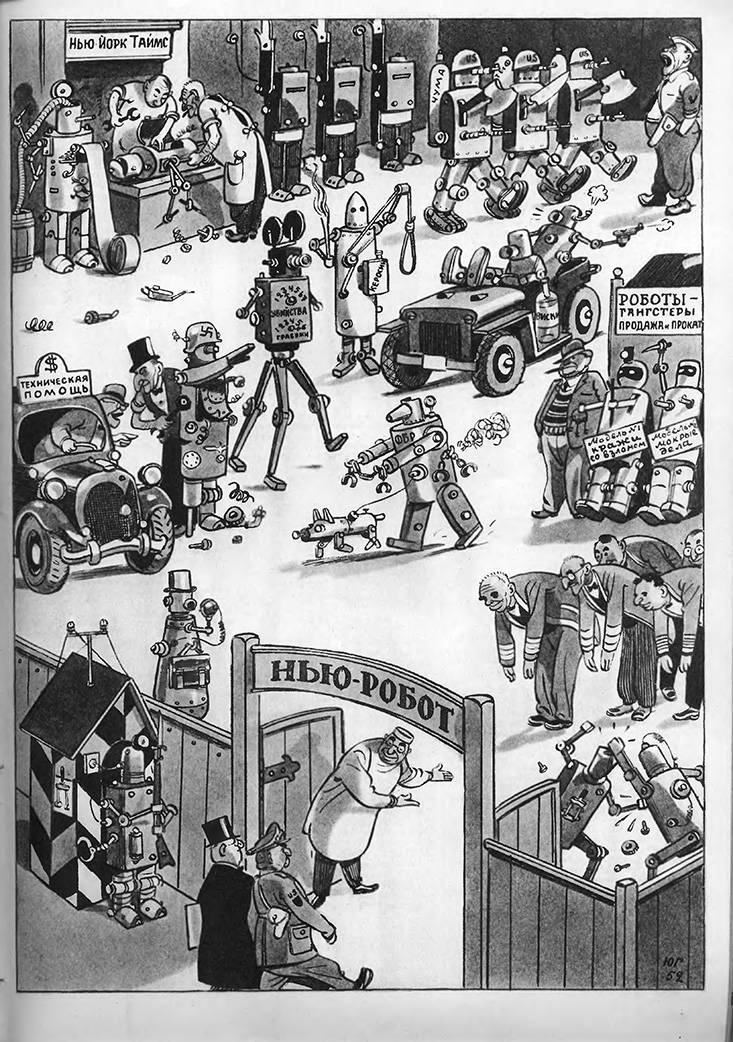
How the Computer Got Its Revenge on the Soviet Union
Condemned as a capitalist tool, the computer would help expose the USSR’s weakness.
-
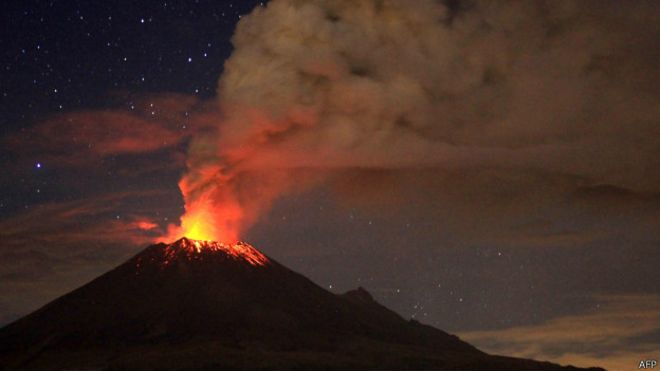
¿Cuánto falta para la próxima supererupción de un volcán?
Ocurrió en abril de 1815 y fue la mayor erupción volcánica en la historia de la humanidad de la que se tenga registro. La ráfaga de lava y ceniza cargada de millones de partículas de azufre se elevó hasta unos 30 kilómetros de altura, alcanzando los límites del espacio. Su sonido fue tan intenso que…
-
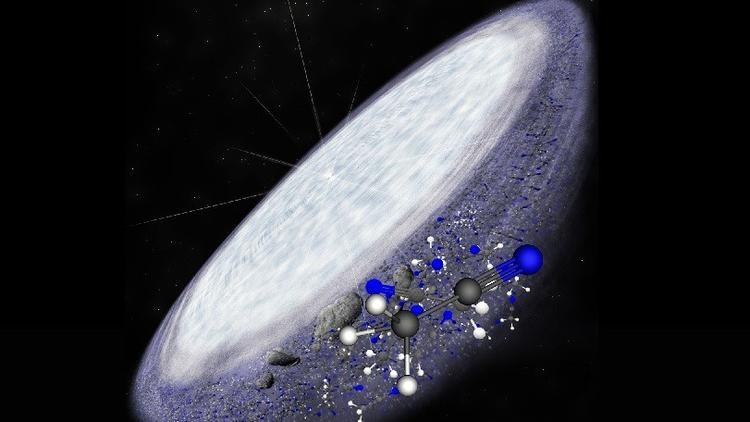
Eureka! Complex organic molecules found in a young star system
Our solar system may not be as special as we thought. A new study of a young star’s protoplanetary disk finds the same kinds of complex organic molecules that are found on the comets in our own solar system.
-

Healing Minds with Virtual Reality
Smell is just the beginning. Slipping on a virtual reality headset, Furlong can open his eyes and find himself in the passenger’s seat of a Humvee with a digitized driver and gunner standing beside him, steadily rolling past Afghan hills while a distant radio jabbers in the background. A pad beneath his feet rumbles to…
-

Did natural selection make the Dutch the tallest people on the planet?
Insecure about your height? You may want to avoid this tiny country by the North Sea, whose population has gained an impressive 20 centimeters in the past 150 years and is now officially the tallest on the planet. Scientists chalk up most of that increase to rising wealth, a rich diet, and good health care,…
-
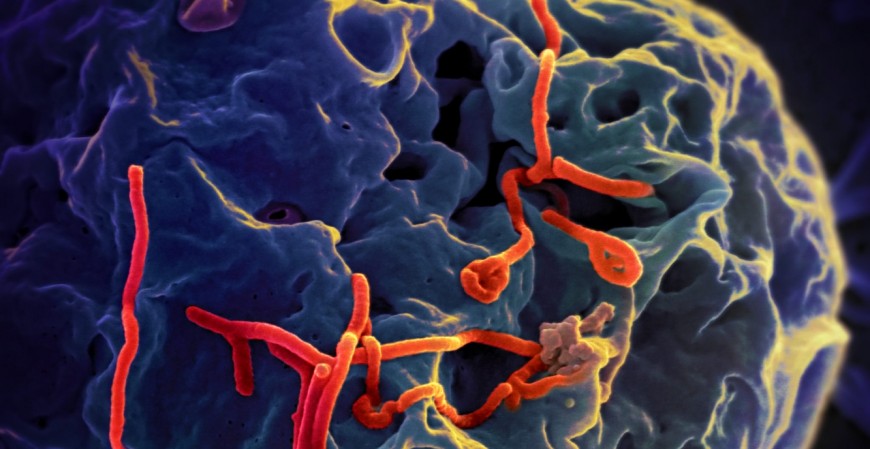
Por qué las flores son más «oscuras» cerca del ecuador
Un estudio muestra que la pigmentación de las flores tiene un papel determinante en la resistencia del polen a la radiación ultravioleta. El descubrimiento explica en parte por qué cuanto menor es la latitud, más oscuro es el aspecto de animales y plantas.
-
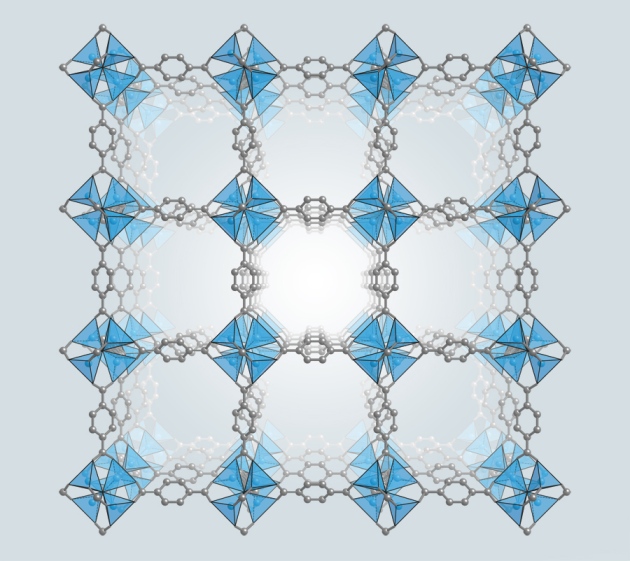
Materials science: The hole story
The crystals are metal–organic frameworks (MOFs), molecular scaffolds made up of metal-containing nodes linked by carbon-based struts . The resulting pores are ideal for trapping guest molecules and, in some cases, forcing them to participate in chemical reactions. And they can be tailored with exquisite precision: researchers have created more than 20,000 types of MOF,…
-
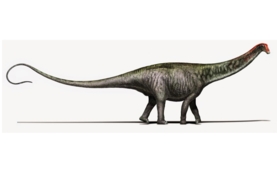
The Brontosaurus Is Back
Decades after scientists decided that the famed dinosaur never actually existed, new research says the opposite
-
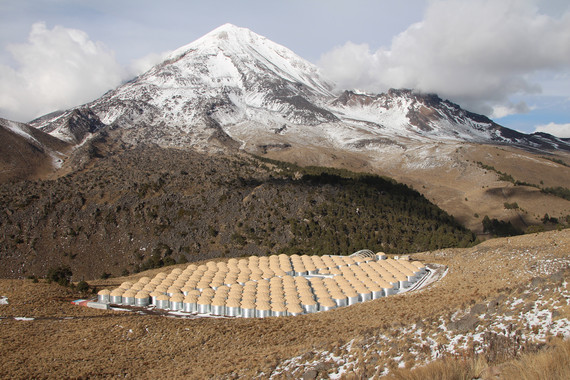
300 detectores registran los rayos gamma desde un volcán mexicano
Parece un campamento militar con tiendas de campaña plateadas, pero en realidad es el nuevo Observatorio de Rayos Gamma HAWC, situdado en las laderas del volcán Sierra Negra, en Puebla (México). La instalación incluye tres centenares de detectores Cherenkov, unos tanques de agua ultrapura donde queda el rastro de una radiación asociada a las explosiones…