

Ciencia en los medios
-
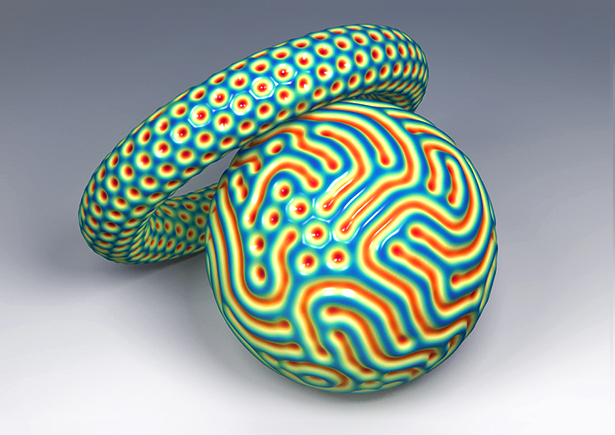
A Grand Theory of Wrinkles
A collaboration between mechanical engineers and mathematicians has revealed universal rules for how wrinkles form.
-
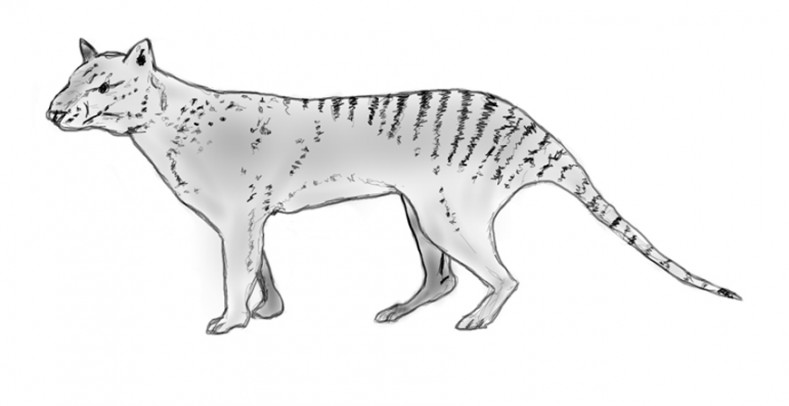
Tu móvil puede detectar terremotos y rayos cósmicos
Tu teléfono es un instrumento de alta precisión y puede ayudar a la ciencia. Los científicos están desarrollando aplicaciones que permitan usar la tecnología que tenemos más a mano para monitorizar el ruido de una ciudad, la aparición de especies invasoras o los olores provocados por la industria, entre otros muchos fenómenos.
-
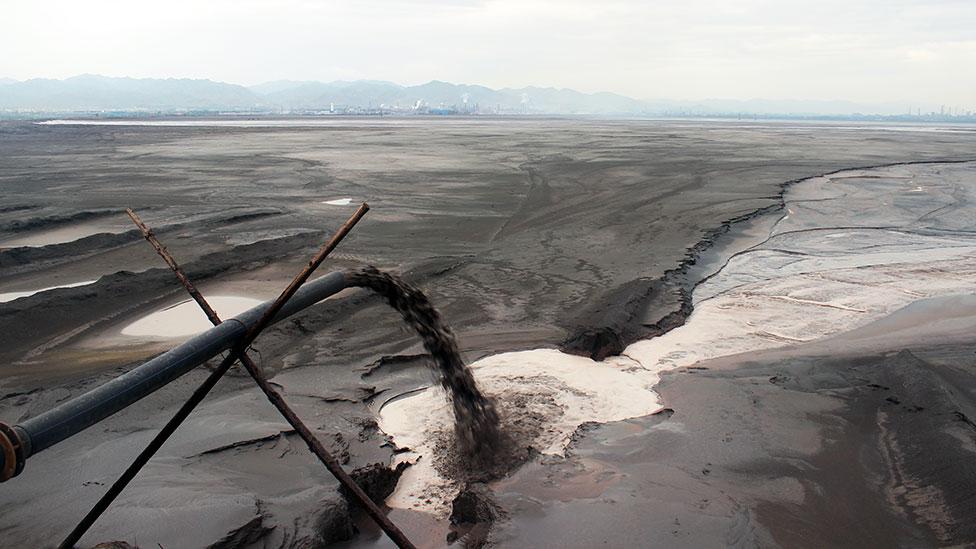
The dystopian lake filled by the world’s tech lust
Hidden in an unknown corner of Inner Mongolia is a toxic, nightmarish lake created by our thirst for smartphones, consumer gadgets and green tech.
-
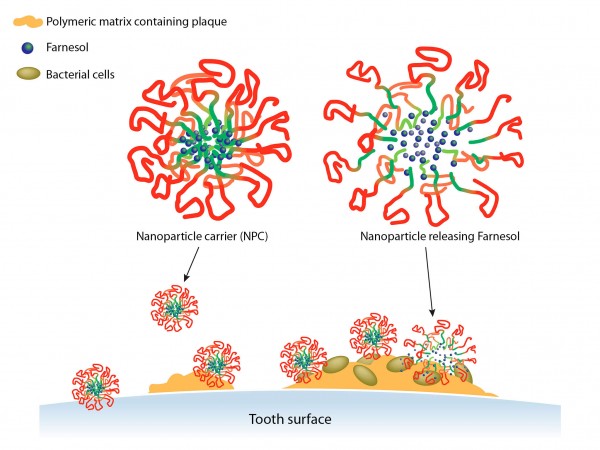
Plaque-busting nanoparticles could help fight tooth decay
Nanotechnology might soon save you a trip to the dentist. Researchers have developed tiny sphere-shaped particles that ferry a payload of bacteria-slaying drugs to the surface of the teeth, where they fight plaque and tooth decay on the spot. The approach could also be adapted to combat other plaquelike substances, known as biofilms, such as…
-
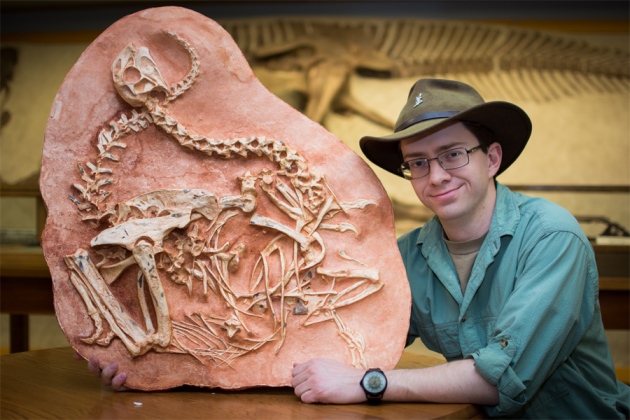
Tails tell the tale of dinosaur sex
Researchers think they have come up with a way to tell fossils of male dinosaurs from those of females — at least for some small feathered species. The key differences between the sexes lie in bones near the base of the tail.
-
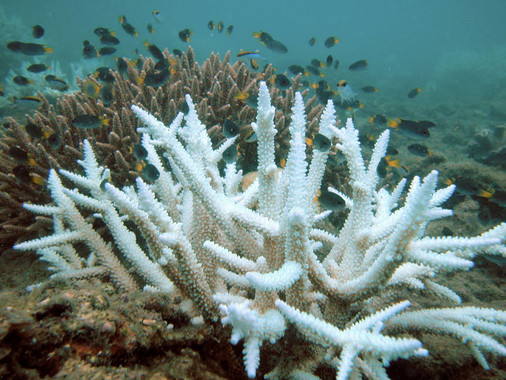
La acidificación de los océanos causó la mayor extinción en la Tierra
El aumento de la emisión de dióxido de carbono desencadenado por varias erupciones volcánicas en Siberia provocó la acidificación de los mares hace 252 millones de años. Un estudio demuestra ahora que esta pudo ser, en una espiral de fenómenos, una de las causas de la extinción masiva entre los períodos Pérmico y Triásico, en…
-
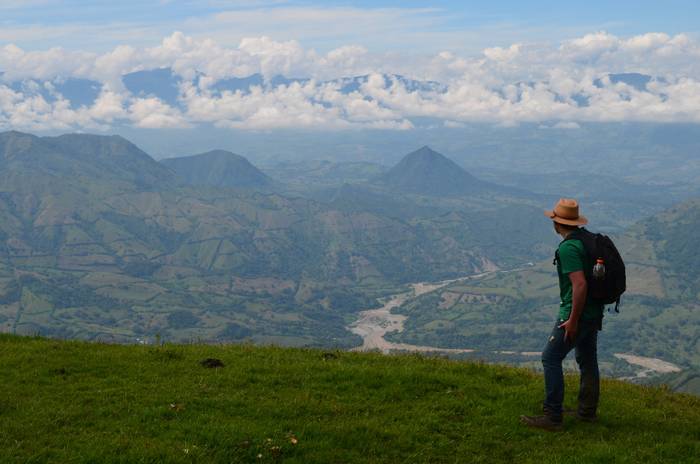
Amerikak uste baino lehen lotu ziren
Panamako pasabidea duela 13-15 milioi urte sortu zen
-
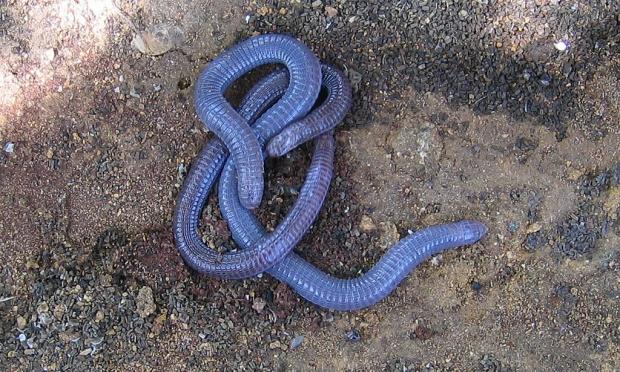
Worm Lizards Floated Their Way Around the World
Around 65 million years ago a large meteorite slammed into the Earth. This catastrophic event likely wiped out the dinosaurs, and a majority of species on Earth. But there was one little-known beneficiary of the asteroid impact: the worm lizard.
-
Building a Bionic Pancreas
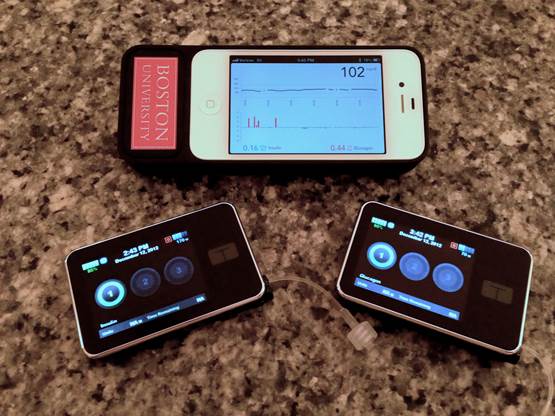
A device that tracks blood sugar and automatically administers insulin and glucagon could take some pressure off Type 1 diabetes patients and their parents