

Ciencia en los medios
-
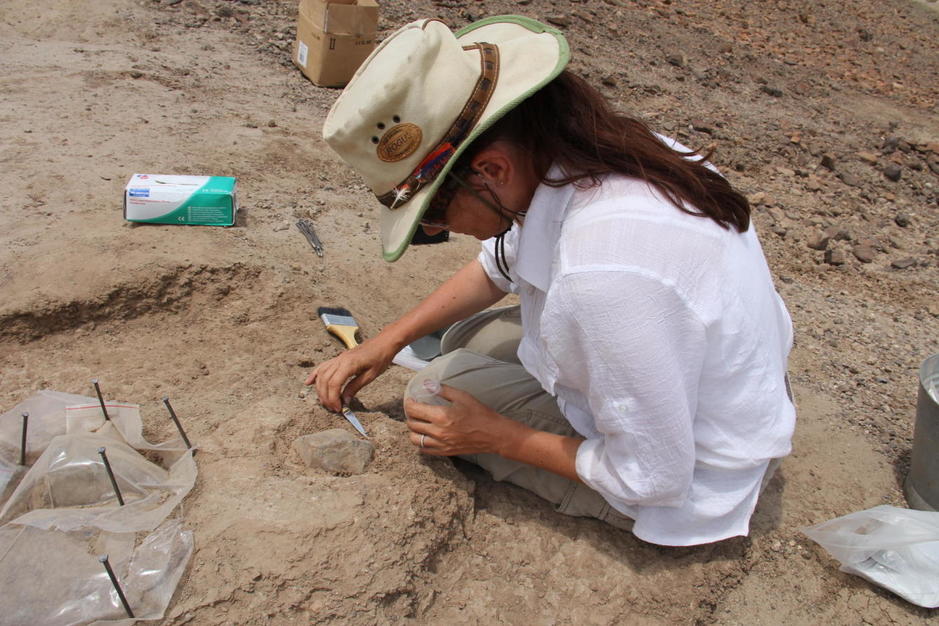
La tecnología más antigua que conocemos no es humana
“El autor fue un hominino [primates homínidos de postura erguida y locomoción bípeda a los que pertenecemos], pero de momento no es posible determinar cuál”. Esto supone la primera evidencia de que un grupo anterior de protohumanos, primos del actual Homo sapiens, tuvo la inteligencia necesaria para fabricar utensilios con bordes afilados.
-
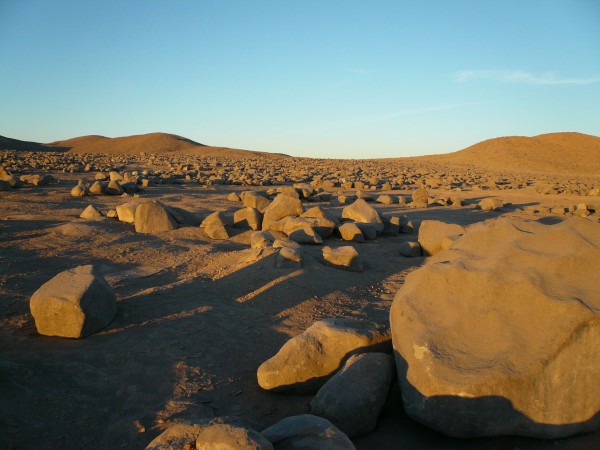
Driest Place on Earth Hosts Life
Researchers have pinpointed the driest location on Earth in the Atacama Desert, a region in Chile already recognised as the most arid in the world. They have also found evidence of life at the site, a discovery that could have far-reaching implications for the search for life on Mars.
-

No more dieting, and 7 other things we do differently after reporting on health care
Before we started reporting on health, we had no medical training. We came at this beat with fresh eyes and lots of questions. More than ever, we appreciate how complex — and sometimes opaque — medicine can seem. This daily study has deepened our understanding, and here we wanted to share some of what we learned…
-
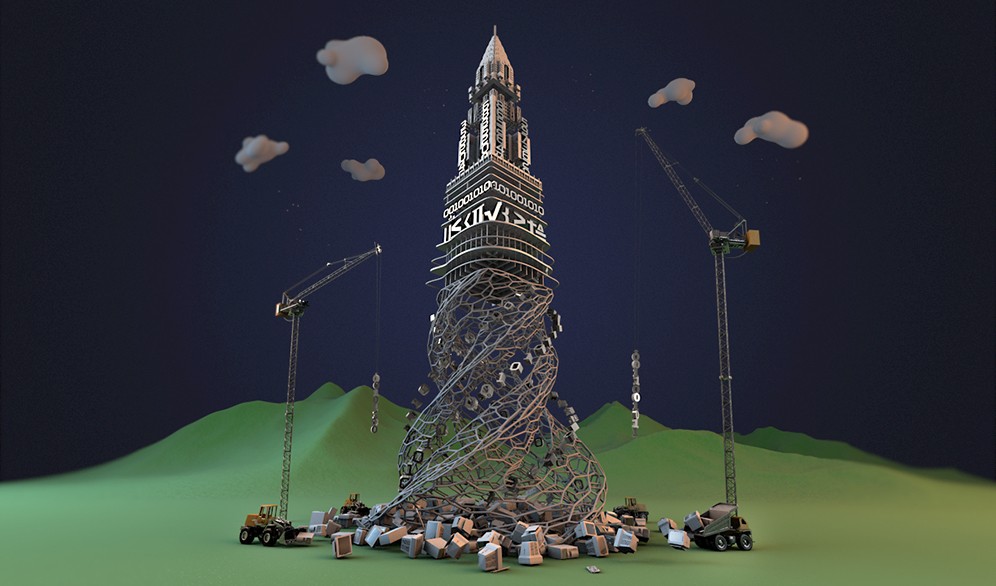
Will Computers Redefine the Roots of Math?
When a legendary mathematician found a mistake in his own work, he embarked on a computer-aided quest to eliminate human error. To succeed, he has to rewrite the century-old rules underlying all of mathematics.
-
Los pulpos perciben la luz por la piel: son ‘ojos con patas’
Un nuevo estudio muestra que en los cromatóforos de la piel del pulpo actúa el mismo mecanismo celular que en sus ojos y que esto les permite responder a la luz sin pasar por el cerebro.
-
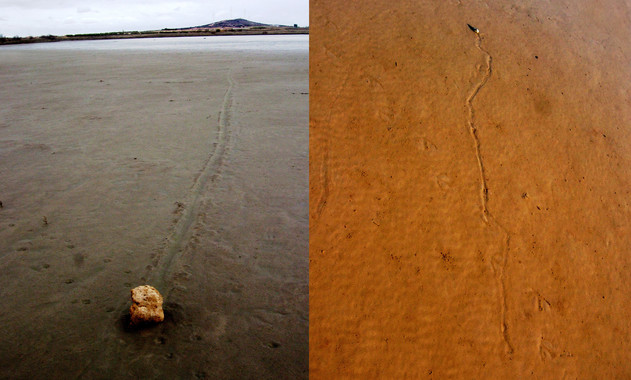
Tormentas y microbios están detrás del misterio de las piedras errantes
Las rocas ‘navegantes’ del Valle de la Muerte en California son famosas por moverse aparentemente solas, pero el fenómeno no es exclusivo de ese desierto norteamericano. También ocurre en España, en la laguna manchega del Altillo Chica. Investigadores de la Universidad Complutense de Madrid han observado que el viento de las tormentas invernales genera unas…
-

‘Young blood’ anti-ageing mechanism called into question
The hunt for the fountain of youth is back to square one — at least for those seeking it in blood. New findings cast doubt on research that attempted to explain why the muscles of an old animal can be rejuvenated with a dose of blood from a young animal.
-
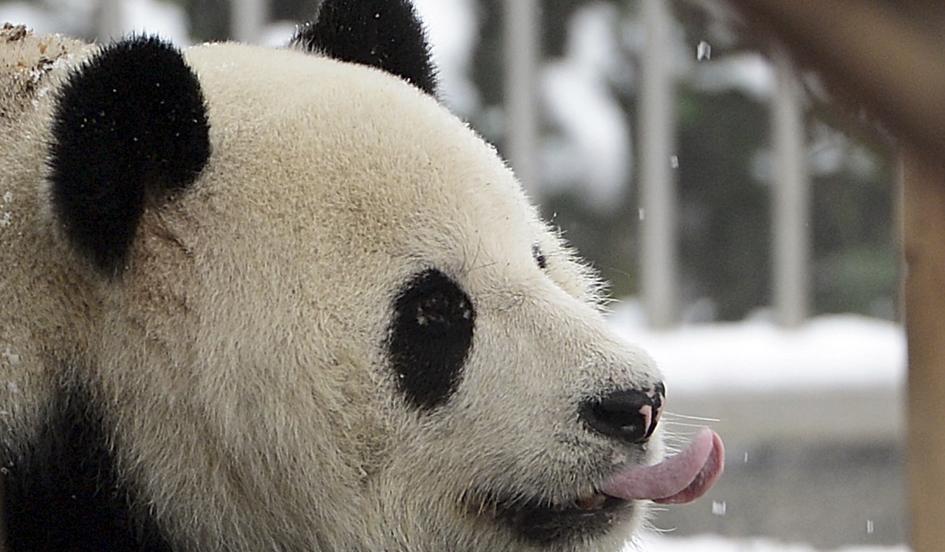
Why Pandas Eat So Much Bamboo: They Can Bear-ly Digest It
In fact, the animals lack the types of bacteria known for breaking down cellulose, the component of plant cell walls that make leaves and plant material difficult for other omnivores, like humans, to break down. Pandas can digest only about 17 percent of what they consume, the scientists calculated.
-
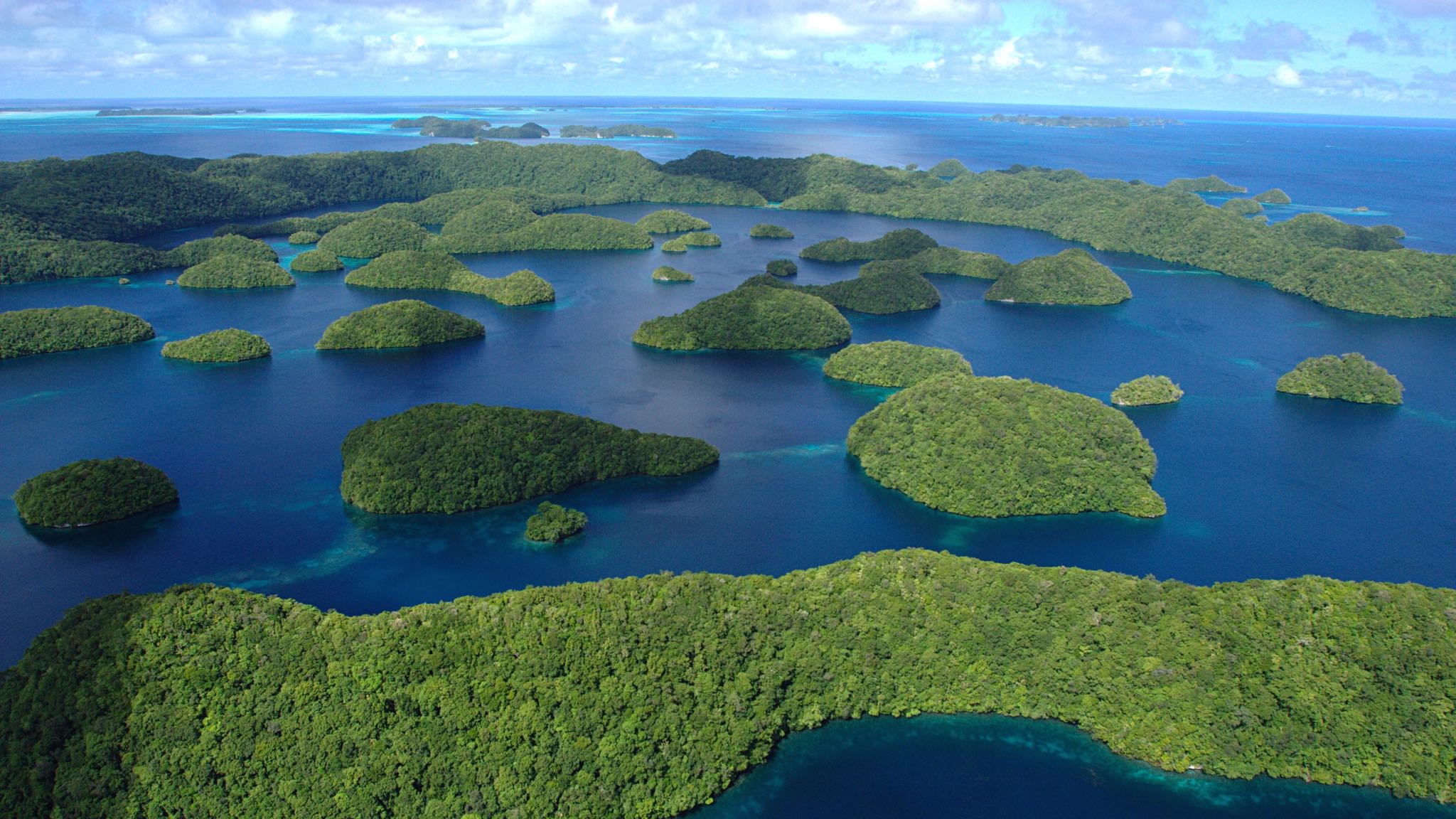
Palau’s Improbably Healthy Coral Reefs
The bad news first: over the next century of climate change, all coral reefs will have to contend with two inextricable, inexorable pressures. One is global warming, where hotter ocean temperatures will lead to the wide-scale “bleaching” of reefs. The second is ocean acidification. About a third of the carbon dioxide we add to the…