

Ciencia en los medios
-

Google a step closer to developing machines with human-like intelligence
Computers will have developed “common sense” within a decade and we could be counting them among our friends not long afterwards, one of the world’s leading AI scientists has predicted.
-
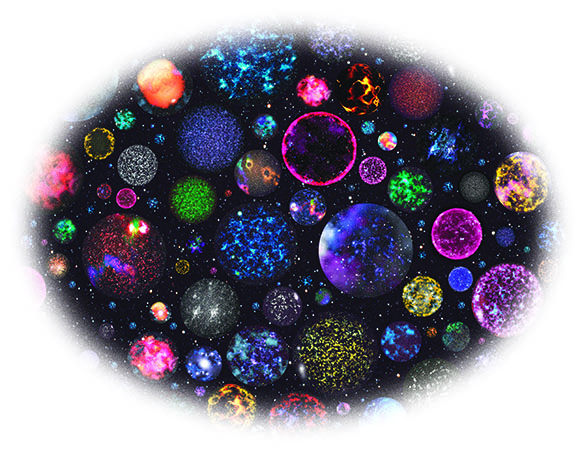
What happens when we can’t test scientific theories?
If a scientific theory is elegant, and is consistent with known facts, does it need to be tested by experiment? Scientific knowledge is supposed to be empirical: to be accepted as scientific, a theory must be falsifiable—that is, it must be possible, at least in principle, to empirically disprove it. This argument was advanced in…
-

Explaining a Cornerstone of Game Theory: John Nash’s Equilibrium
John F. Nash Jr. was best known for advances in game theory, which is essentially the study of how to come up with a winning strategy in the game of life — especially when you do not know what your competitors are doing and the choices do not always look promising.
-
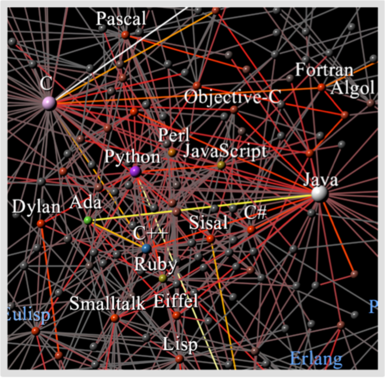
Un modelo recoge cómo evolucionan los lenguajes de programación
¿Es la evolución cultural similar a la evolución biológica? Es la cuestión que se plantean científicos de la Universidad Pompeu Fabra y del ICREA en un artículo. El equipo de investigadores ha estudiado la evolución natural y casi biológica de los lenguajes de programación, y revelan que su evolución va hacia una comunicación hombre-máquina más…
-
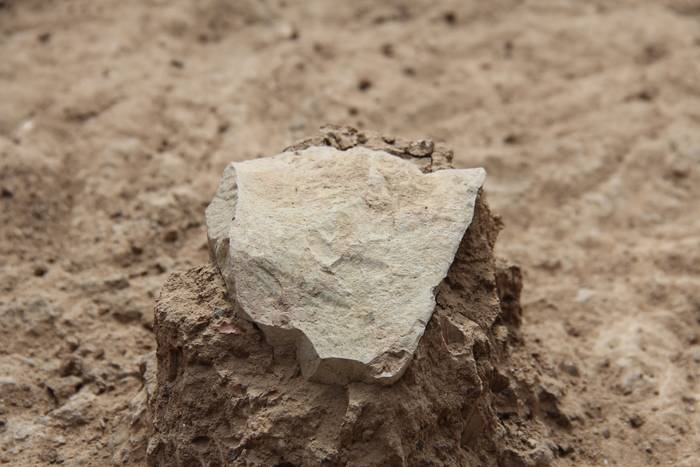
Homo generoa baino lehenagoko harrizko tresnak aurkitu dituzte
Inoizko harrizko tresnarik zaharrenak aurkitu dituzte Kenian. 3,3 milioi urte dituzte, orain arte ezagutzen zirenak baino 700.000 urte gehiago. Zein espeziek eginak diren ez dakiten arren, aurkikuntza honek erakusten du homininoak uste baino askoz lehenago hasi zirela tresnak egiten, lehen Homoak agertu baino lehen, hasi ere.
-
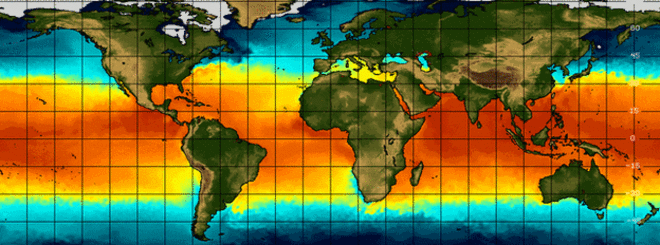
Cuánto puede afectar El Niño el precio de lo que comemos
El fenómeno de El Niño, pronosticado para este año, podría afectar los mercados de alimentos a nivel global. Si se manifiesta con fuerza, puede provocar un aumento en los alimentos básicos como el arroz, el café, el azúcar y el cacao, según explicaron científicos.
-
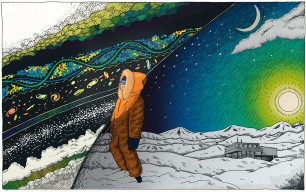
In the beginning
The science of cosmology has achieved wonders in recent centuries. It has enlarged the world we can see and think about by ontological orders of magnitude. Cosmology wrenched the Earth from the centre of the Universe, and heaved it, like a discus, into its whirling orbit around one unremarkable star among the billions that speed…
-
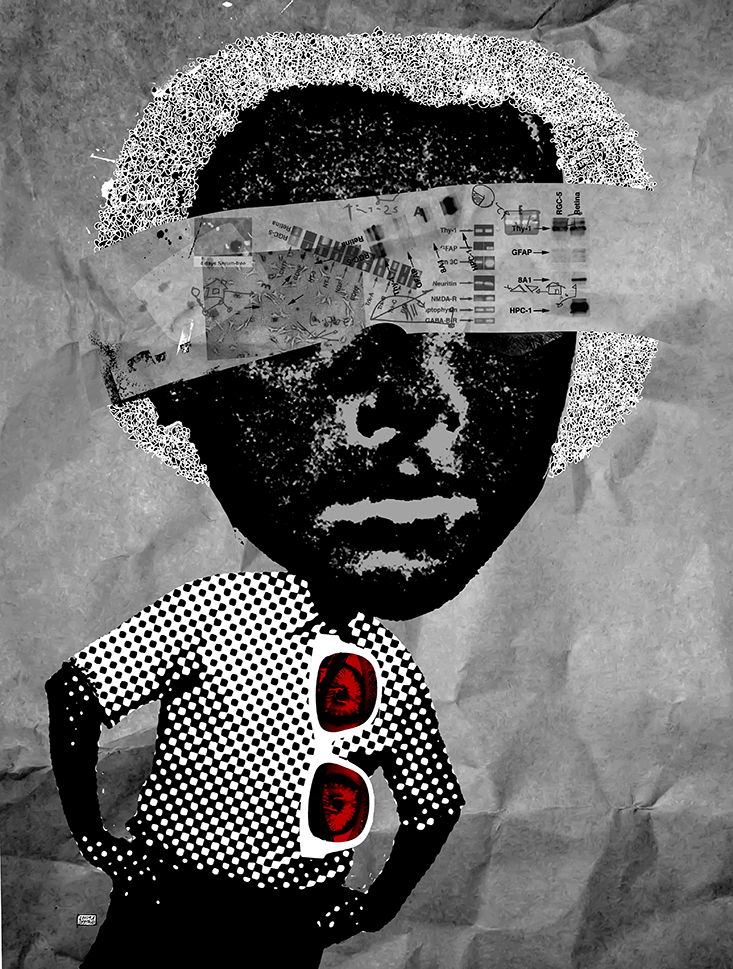
How the Biggest Fabricator in Science Got Caught
Today he stands alone as the record-holder for most retractions by a single author, at a breathtaking 183, representing roughly 7 percent of all retracted papers between 1980 and 2011. His story represents a dramatic fall from grace, but also the arrival of a new dimension to scholarly publishing: Statistical tools that can sniff out…
-
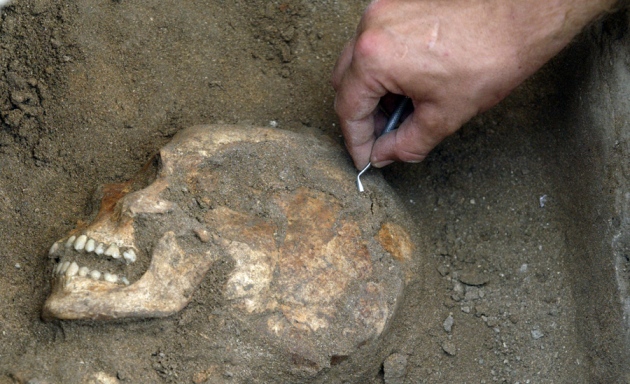
Alzheimer’s origins tied to rise of human intelligence
The study finds evidence that 50,000 to 200,000 years ago, natural selection drove changes in six genes involved in brain development. This may have helped to increase the connectivity of neurons, making modern humans smarter as they evolved from their hominin ancestors. But that new intellectual capacity was not without cost: the same genes are…