

Science in the media
-
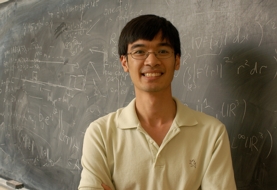
Genio matemático resuelve el acertijo de un maestro
Terence Tao, ganador de la Medalla Fields, resuelve el problema de la discrepancia de Erdös.
-

A New Map Traces the Limits of Computation
A major advance reveals deep connections between the classes of problems that computers can — and can’t — possibly do.
-

Old-school and current vaccines have no link to autism (again)
Multiple vaccines containing the preservative thimerosal, administered to macaque monkeys on the schedule that pediatricians followed in the 1990s, resulted in none of the key brain or behavioral changes linked […]
-

Cómo los videojuegos han llegado al impresionante fotorrealismo actual
Algunos títulos parecen tan reales que en ocasiones es como si estuviéramos viendo la propia realidad. La clave se encuentra en el motor gráfico, cada vez más potente.
-
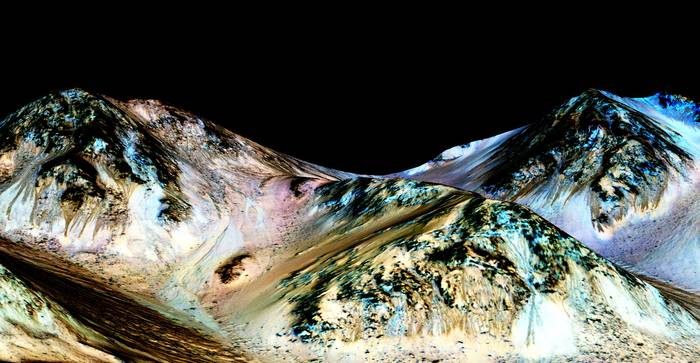
Ur gaziaren zantzuak aurkitu dituzte Marteko aldapetako arrasto ilunetan
Marteko aldapa batzuetan agertzen diren arrasto ilunetan gatz hidratatuak detektatu ditu nazioarteko ikerketa-talde batek. Horrek indartu egiten du arrasto horiek ur gazi likidoak eragiten dituela dioen hipotesia.
-
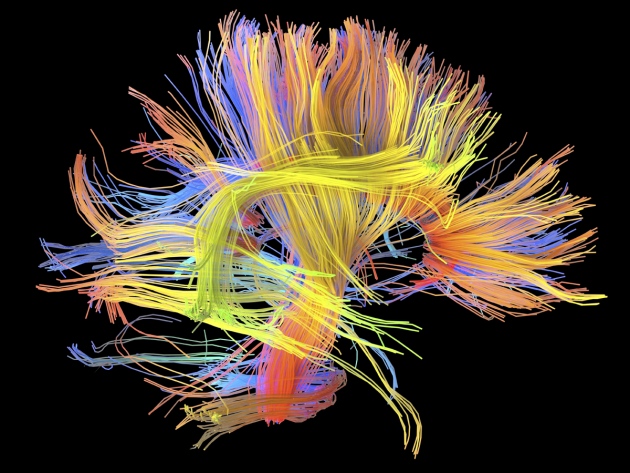
‘Wiring diagrams’ link lifestyle to brain function
Human Connectome Project finds surprising correlations between brain architecture and behavioural or demographic influences.
-
Un ejército de cangrejos rey amenaza la Antártida
Un estudio advierte de que el calentamiento de las aguas antárticas está permitiendo a estos depredadores acceder a zonas que durante millones de años les resultaron demasiado frías. Las consecuencias […]
-
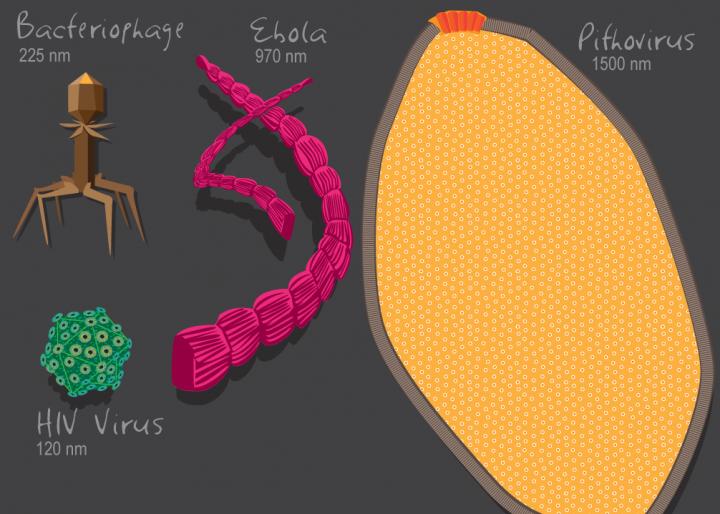
Study adds to evidence that viruses may be alive
A new analysis supports the hypothesis that viruses are living entities that share a long evolutionary history with cells, researchers report. The study offers the first reliable method for tracing […]
-
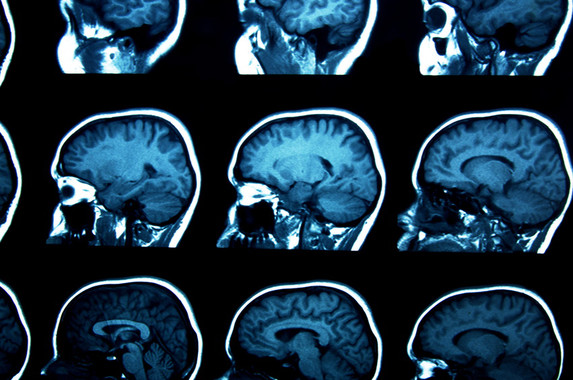
Las metástasis cerebrales podrían necesitar un tratamiento distinto al del tumor primario
Un trabajo de investigadores estadounidenses, presentado en el Congreso Europeo del Cáncer, que se celebra en Viena (Austria) hasta el 29 de septiembre, ha analizado las características genéticas de 86 […]