

Science in the media
-

NASA narrows its list of planetary targets
Venus and asteroids have emerged as top destinations for NASA’s future planetary exploration. On 30 September, the agency announced a shortlist of five contenders for its US$500-million Discovery class of missions.
-
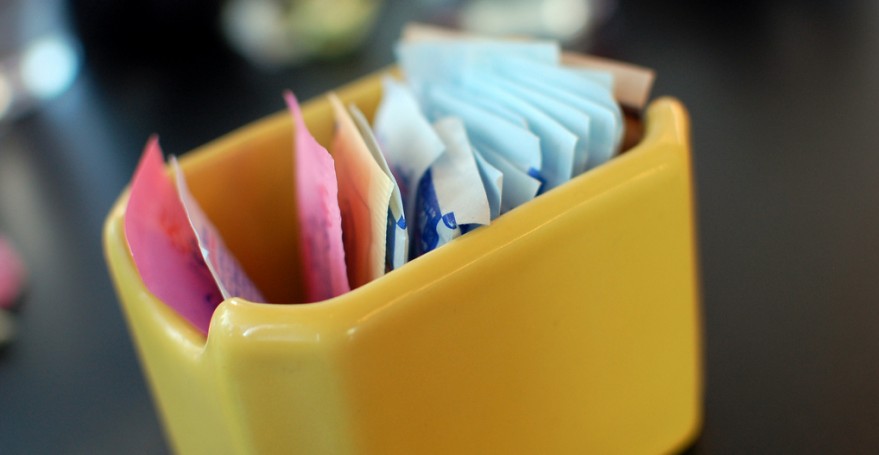
El placebo puede ser clave para tratar la depresión
Un estudio muestra que aquellos pacientes que mejor responden al tratamiento con píldoras falsas tienen después una mejor reacción ante el tratamiento de verdad. Los científicos quieren usar este efecto para diseñar mejores antidepresivos.
-

Algoritmos policiales y ‘big data’ para patrullar la ciudad
Una aplicación informática permite predecir cuántos delitos y de qué tipo se van a producir en el próximo turno policial. El sistema ha sido desarrollado por científicos del Cuerpo Nacional de Policía y de la Universidad de Granada. Según sus autores, la innovación combina métodos policiales predictivos con un modelo matemático de patrullaje por primera…
-
How People Living at Earth’s Extremes Reveal the Genome’s Best Tricks
Evolution has sculpted the human genome to cope with Earth’s toughest climates, inadvertently pointing geneticists towards medically important genes.
-
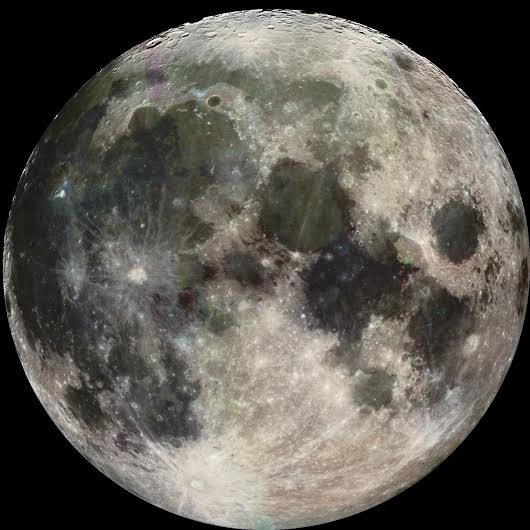
Dormant viruses may cause motor neuron disease when awoken
Human endogenous retroviruses may cause or contribute to some forms of amyotrophic lateral sclerosis
-

Could Known Lifeforms Survive in Mars’s Newly Discovered Flowing Water?
If life can survive in the prehistoric waters of a frozen Antarctic lake, perhaps it can survive on moons like Europa or Enceladus or some other extreme environment in the solar system. Perhaps it can survive in salty flowing water on Mars.
-
![Testing Neurons With Ultrasound [+ video]](https://katedra.eus/app/uploads/2014/09/unnamed11.jpg)
Testing Neurons With Ultrasound [+ video]
Turning certain brain cells on and off with light — a technique called optogenetics — is one of the most important tools in neuroscience. It allows scientists to test basic ideas about how brains work. But because waves of visible light don’t penetrate living tissue well, the technique requires the insertion of a conduit for…
-

La endogamia predominaba entre los neandertales de El Sidrón
Un estudio, liderado por el Consejo Superior de Investigaciones Científicas, ha descubierto una alta incidencia de anomalías congénitas en vértebras cervicales halladas en la cueva de El Sidrón (Asturias). Según los investigadores, estos defectos serían el resultados de los altos niveles de emparejamiento entre los miembros de los grupos neandertales.
-
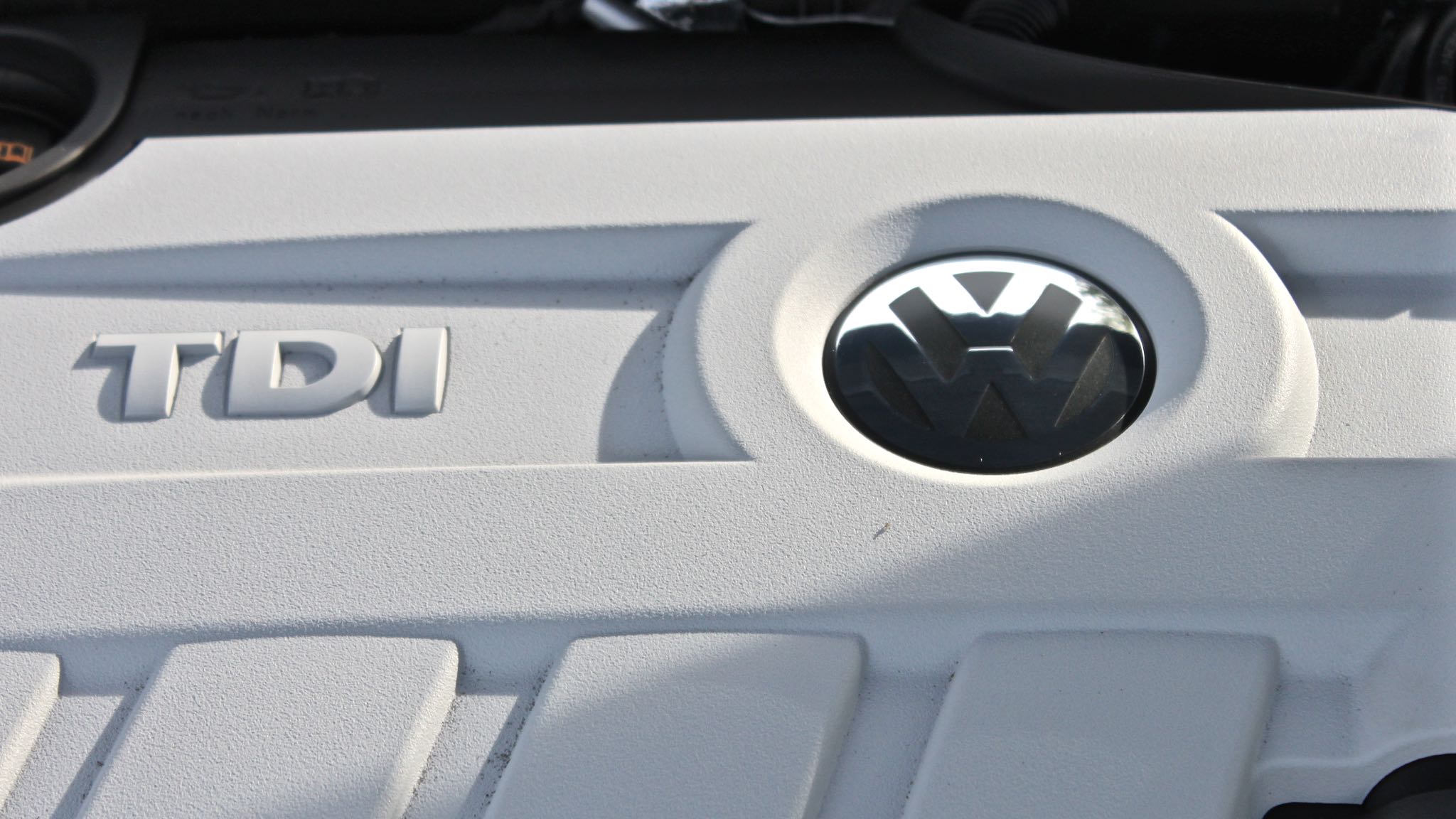
Volkswagen’s Little Engine That Couldn’t
In the early 2000s, engineers at Volkswagen embarked on an audacious plan, one that seemed like it should have worked. The company had bet that their technical prowess in crafting powerful and efficient diesel engines would help them meet increasingly tighter emissions regulations and fuel efficiency standards. Their wager on diesel was a technically simple…