

Science in the media
-
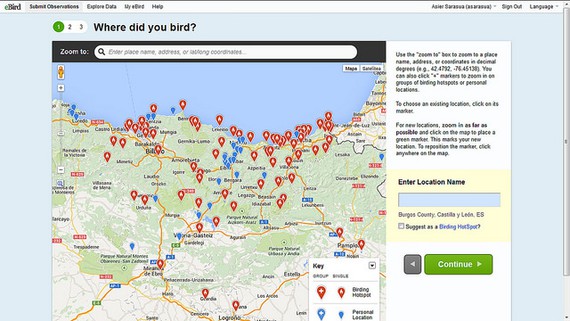
#eBird: hegazti-behaketen datu-base mundiala
Bi aldiz mundiala: mundu osokoa delako, eta benetan aparta delako. 2002. urtean sortu zuten Estatu Batuetan eBird aplikazioa, Cornell Universityko Ornitologia Laborategiak eta Audubon Elkarteak. Funtsean, hegazti-behaketak gorde, antolatu eta banatzeko aplikazioa da. Hasiera batean Estatu Batuetara mugatua zegoen, baina azken urteotan mundu osora hedatu dute, eta orduan etorri zaio benetako eztanda eta ospea.
-
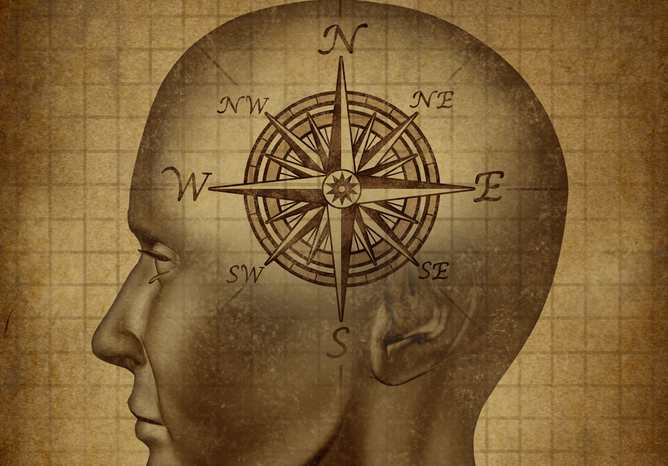
Found: the missing part of brain’s ‘internal compass’
If you have taken a walk and would like to return home you need to have an idea of where you are in relation to your destination. To do this, you need to know which way you are facing and also in which direction home lies. This all seems fairly instinctive to humans and other…
-
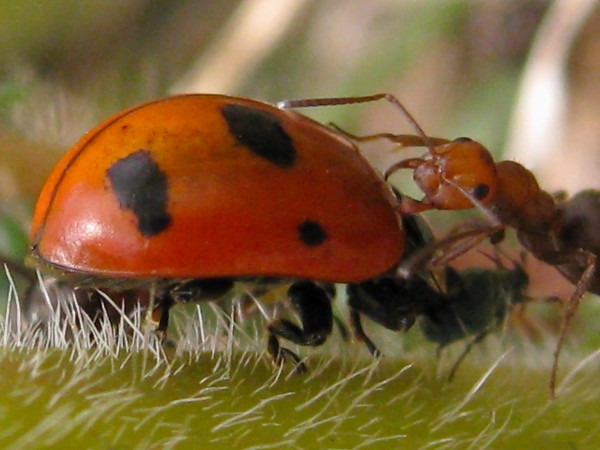
An ant, a plant, and a bear, oh my
In a mountain meadow in Colorado, ecologists have come across yet another example of the amazing interconnectedness of nature’s flora and fauna. Black bears, by eating ants, help one of the meadow’s key plant species thrive.
-
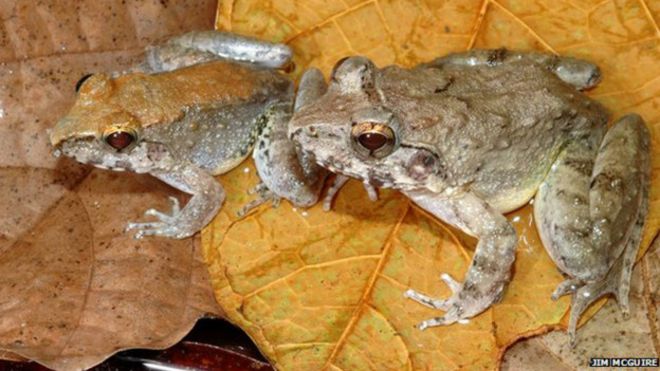
El misterio de la rana que da a luz a renacuajos sin poner huevos
Científicos descubrieron una rana que da a luz directamente a renacuajos, sin haber puesto huevos.
-
Adimen artifizialaren gizarterat
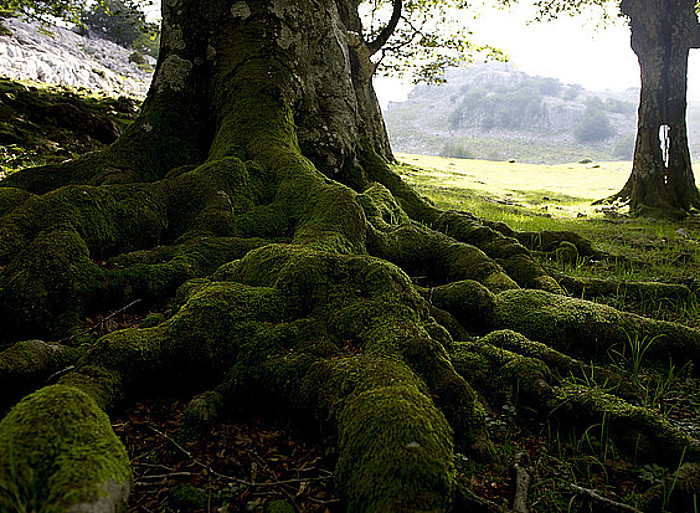
1956an, ikertzaile talde batek marraztu zuen zientziak jarraitu beharreko bide deigarri berri bat: gizakiaren adimena imitatzea. Ordutik hona, pauso nabariak eman dira, informatikan zehazki.
-

Bad luck, bad journalism and cancer rates
Please, journalists, get a clue before you write about science
-
Threat of Being Eaten Doesn’t Deter Dumpling Squid From Sex
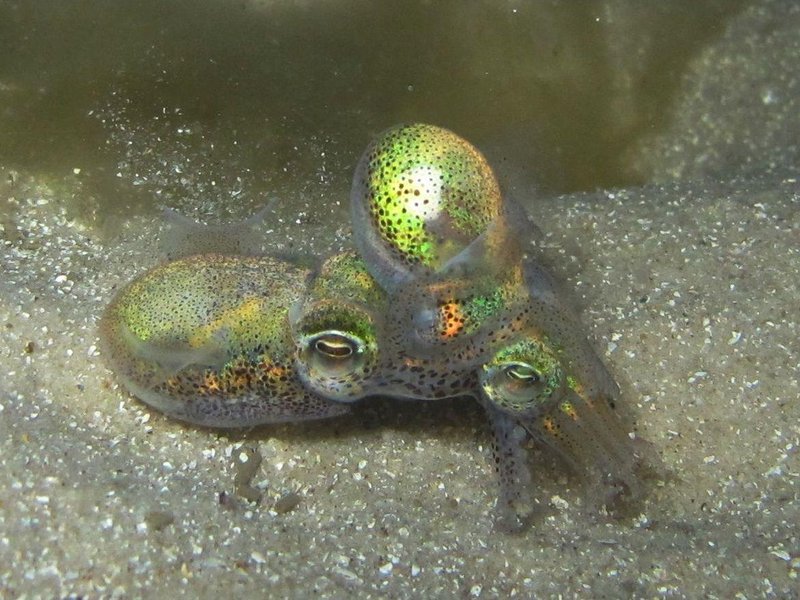
The adorable cephalopods seem to rate mating higher on their list of priorities than survival
-
NASA team hacks Opportunity to treat Mars rover’s amnesia
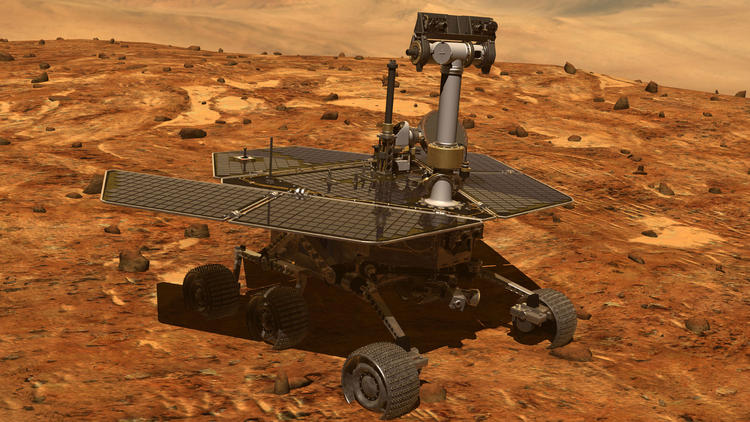
NASA’s Mars rover Opportunity has been working well into its golden years – after nearly 11 years roaming the Red Planet, it has survived more than 40 times past its warranty. But now, this trusty veteran explorer is experiencing some worrisome memory loss.
-
Euskararen zentralitate harrigarria munduko hizkuntzen sare-egituraren ikerketa batean
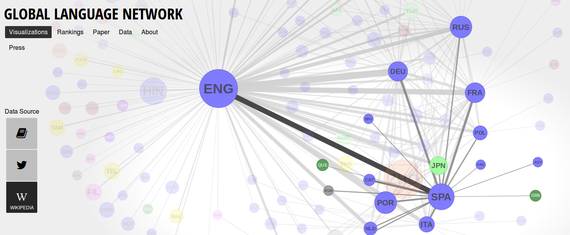
Massachussets-eko Teknologia Institutuko ikerlari batzuek munduko hizkuntzen gaur egungo “erlazio-sarea” ikertu du, hizkuntzen zentralitate funtzional modernoen mapa bat egiteko. Hiru parametroren arabera egin dute, liburu-itzulpenen indizeak, Wikipediako edukia, eta Twitterreko jardunarena, eta Global Language Network deritzotena marraztu dute.