

Science in the media
-

Pero, ¿por qué bombardean a esos ositos de gominola con antimateria?
No es ninguna gamberrada de laboratorio, sino una prueba para analizar la textura de gelatinas que se usan para recubrir medicamentos. La técnica consiste en disparar positrones para conocer la porosidad de los materiales.
-

New Motion Detector May Find Signs of Alien Life on Other Worlds
Detecting alien life on other planets isn’t an easy task. It usually relies on chemical detection, which may be limited or even completely irrelevant to alien biology. Now, though, scientists have created a new method to find alien life; they’ve developed a technique that traces motion-even to the smallest degree.
-

Device Squeezes Cells to Get Drugs In
A new way to get materials into cells might clear the way for powerful treatments for diseases like cancer and HIV.
-

Molecular Hub of Autism?
Researchers identify a network that includes many genes previously linked to autism spectrum disorders.
-

The quagga now standing on three legs is next in line for Bone Idol restoration
The creature standing rather unsteadily in a zoology museum in London is among the rarest in the world, and frankly she’s not looking her best. The creature standing rather unsteadily in a zoology museum in London is among the rarest in the world, and frankly she’s not looking her best.
-

El ébola pudo surgir de los juegos de un niño con un murciélago
Un estudio en el pueblo donde apareció el primer caso señala a una especie de murciélagos diferente de la sospechada hasta ahora
-

Snowflakes All Fall In One of 35 Different Shapes
The latest categorization of solid precipitation types inspired a cool graphic
-
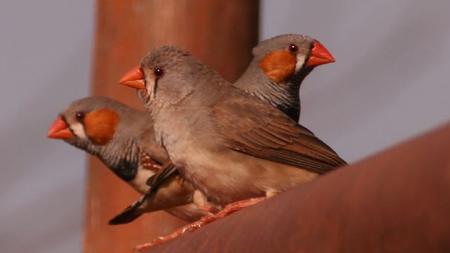
Buzzed birds slur their songs, researchers find
You know how that guy at the karaoke bar singing Journey’s “Don’t Stop Believin’” sounds a little off after he’s had a few drinks? The same goes for buzzed birds, according to a team led by researchers from Oregon Health & Science University.
-
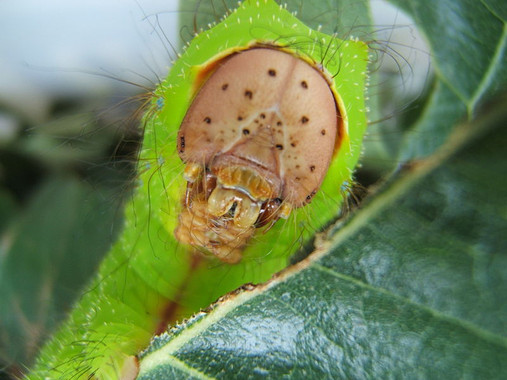
La mayoría de los insectos herbívoros se especializa en un único vegetal
La mayor parte de los insectos herbívoros ataca a una sola especie de planta en todo el mundo y esta especialización aumenta hacia las zonas tropicales, a medida que la riqueza vegetal es mayor. Los investigadores que han publicado estos datos, tras analizar miles de especies en 13 países distintos, consideran que estos nuevos conocimientos…