

Ciencia en los medios
-
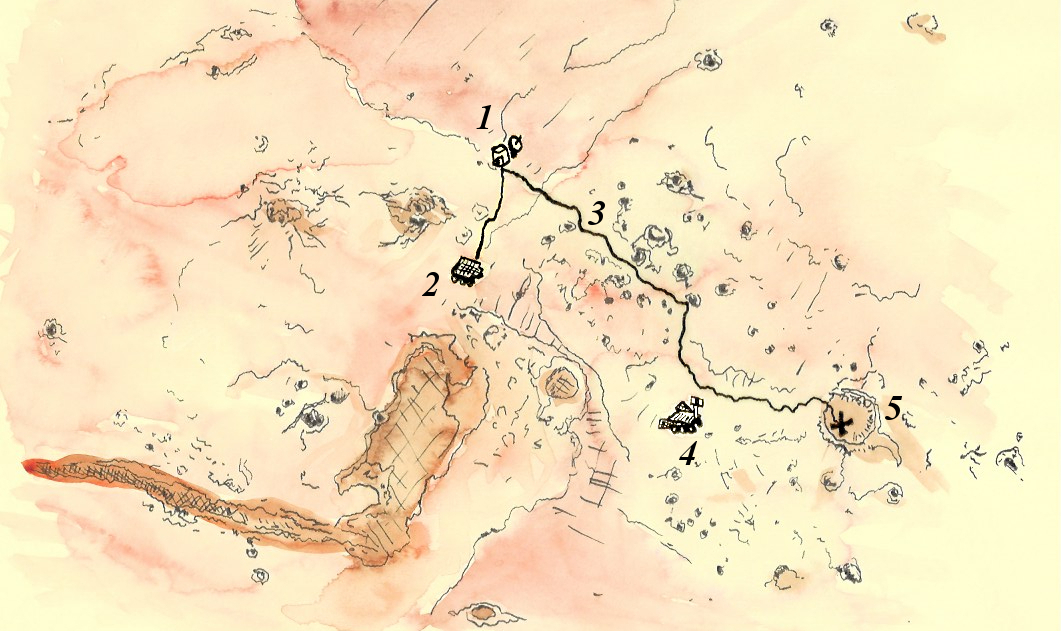
The Martian Astrobiologist
NASA is already developing technologies that appear in the film The Martian, and the Astrobiology Program has been studying many of the sites on Mars that feature on the big screen.
-
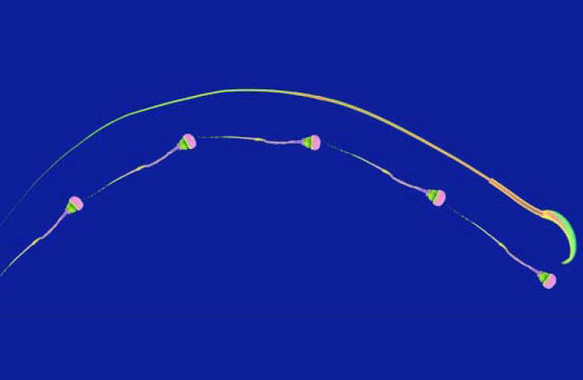
En espermatozoides de mamíferos el tamaño y el número importan
Hasta ahora se pensaba que los mamíferos macho producían espermatozoides de menor tamaño para aumentar su número. Pero un estudio demuestra lo contrario: no hay compensación entre número y tamaño de espermatozoides. Según los científicos del Museo Nacional de Ciencias Naturales, la cantidad de energía que cada especie dedica a la producción espermática varía. Por…
-
Las partículas del diésel alteran el olfato de las abejas
De los once componentes individuales del olor de las flores, cinco pueden ser químicamente alterados por la exposición a los óxidos de nitrógeno que expulsan los motores diésel.
-
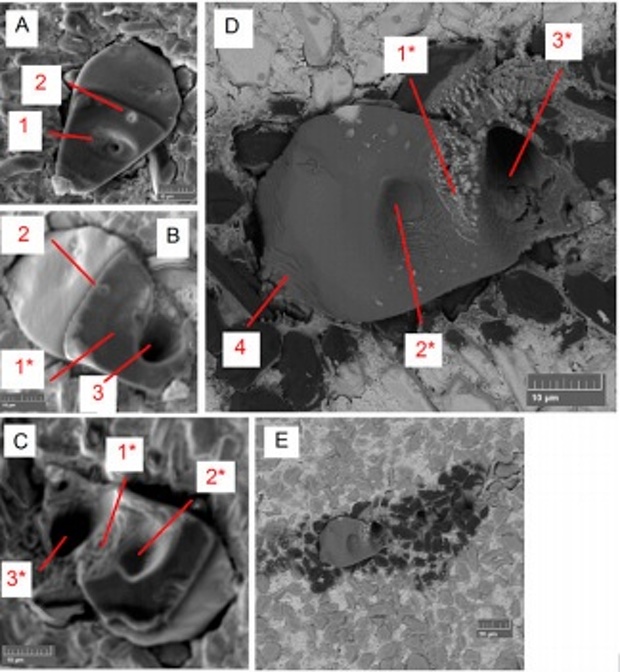
Life on Earth may have begun 300m years earlier than previously thought
Discovery, if confirmed, indicates that living organisms appeared on Earth 4.1 billion years ago, remarkably soon after its formation
-
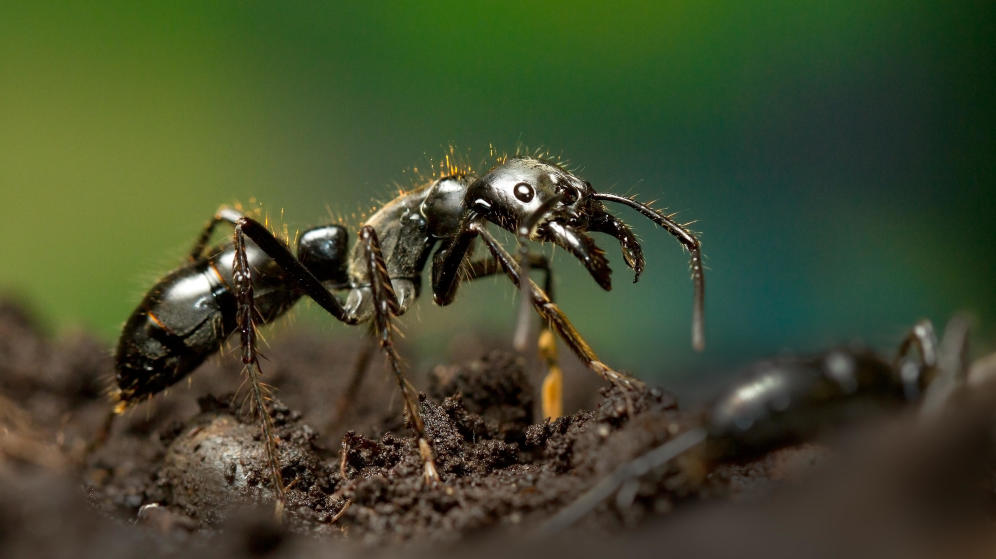
La casta se lleva en los genes
Algunas avispas y hormigas pueden pasar de obreras a reinas cuando es necesario. Esta característica es posible gracias a un genoma ‘abierto’ que las prepara mejor para los imprevistos de su entorno
-
Is Life Special Just Because It’s Rare?
If the Gobi Desert represents all of the matter flung across the cosmos, living matter is a single grain of sand. Vitalism in the age of modern science.
-

The future of scientific publishing: let’s make sure it’s fair as well as transparent
Scientific publishing has undergone a revolution in recent years – largely due to the internet. And it shows no sign of letting up as a growing number of countries attempt to ensure that research papers are made freely available. Publishers are struggling to adapt their business models to the new challenges. But it is not…
-
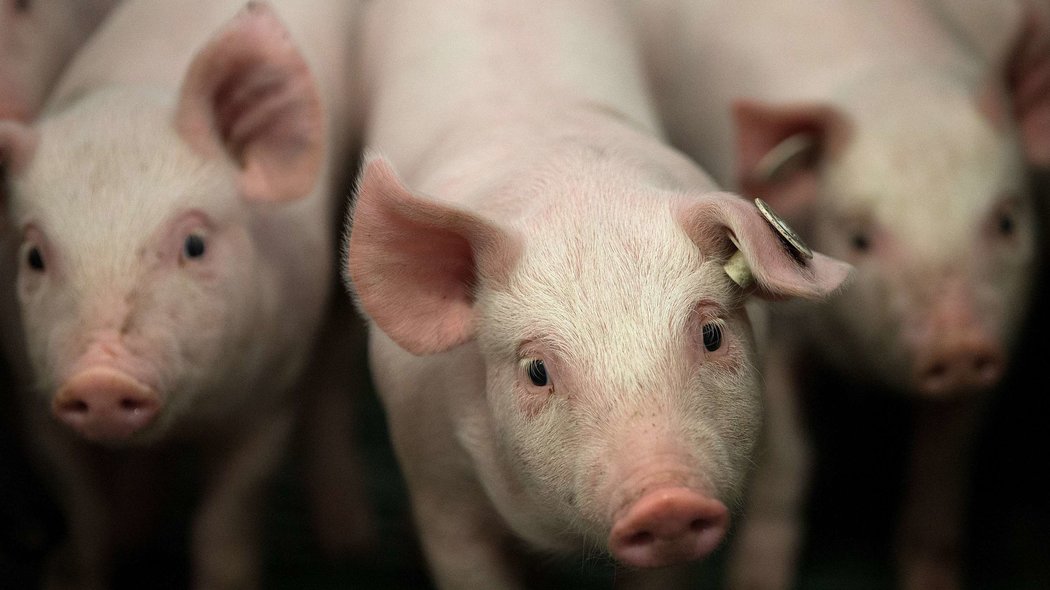
Editing of Pig DNA May Lead to More Organs for People
In a typical experiment, scientists use Crispr to alter a single gene. But in recent work with pig cells, Dr. Church and his colleagues used Crispr to alter 62 genes at once. The researchers hope that this achievement may someday make it possible to use pig organs for transplantation into humans.
-

Arlanpeko Dama, Paleolitoko artearen adibide bakana, argitara
Arlanpeko kobazuloan (Lemoa, Bizkaia) emakume-itxurako grabatuak dituen harri handi bat aurkitu dutela jakinarazi dute. Grabatuak duela 17.500 urte ingurukoak dira, eta haietako bat osorik dago. Aurkikuntza aparta da, orain arte ez baitute horrelakorik topatu penintsulan. Hala, era horretako artearen banaketa geografikoa eta kronologia osatzeko gakotzat jo dute.