

Ciencia en los medios
-
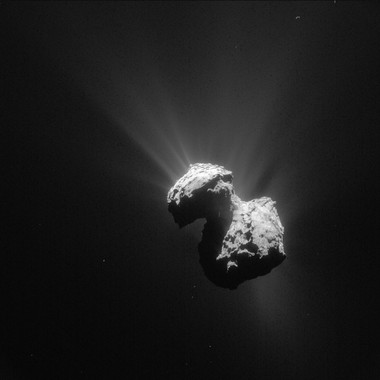
Rosetta encuentra oxígeno molecular en el cometa 67P
La coma o nube gaseosa que rodea el núcleo de las cometas está compuesta por agua, monóxido y dióxido de carbono, pero se acaba de descubrir que contiene otra molécula más: el oxígeno. El hallazgo lo ha hecho la nave Rosetta en el cometa 67P y plantea interrogantes sobre los modelos de la formación del…
-
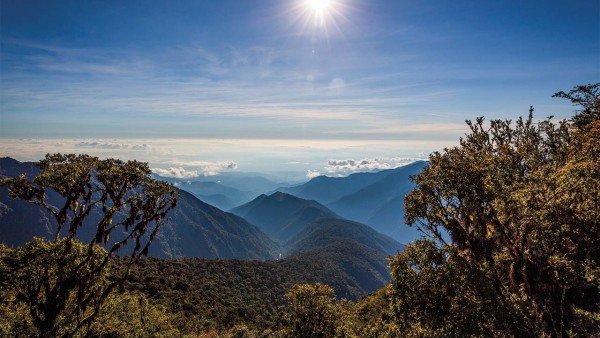
Feature: How the Amazon became a crucible of life
The western Amazon, which includes parts of Peru, Ecuador, Colombia, and northwestern Brazil, “is the most diverse region in the world in terms of plants,” says Christopher Dick, an evolutionary biologist at the University of Michigan, Ann Arbor. “We have about 300 tree species in eastern North America. In the western Amazon, we have 300…
-
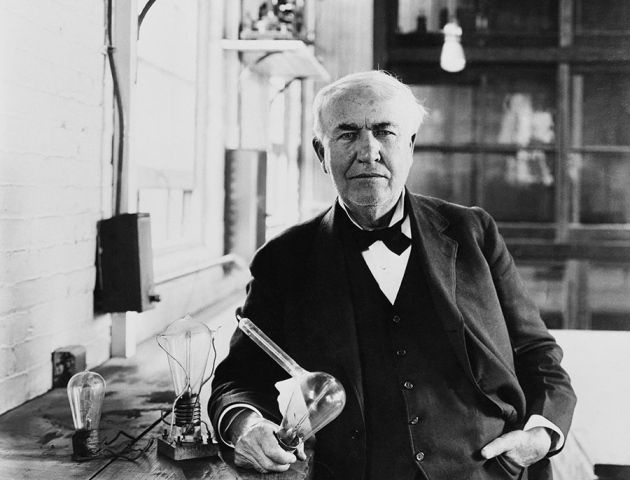
Does innovation always come from science?
Pure science does not always stimulate innovation — rather, technological change often springs naturally from human inventiveness. Writer Matt Ridley makes this provocative point in a 23 October essay in The Wall Street Journal called ‘The Myth of Basic Science’ that fuelled heated and thoughtful responses on social media about the role and benefits of…
-
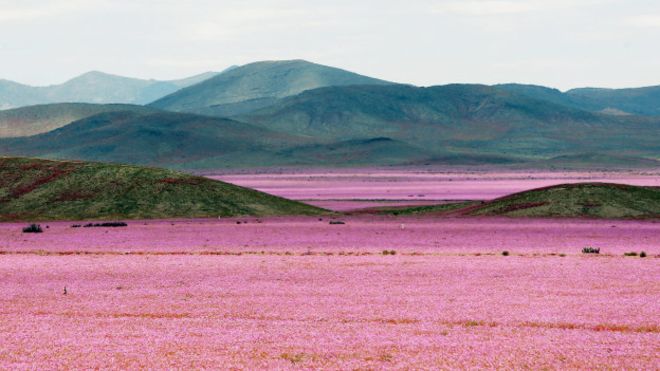
Por qué tiene tantas flores el desierto de Atacama, el lugar más seco del planeta
Es el desierto más seco del mundo que impresiona a los visitantes con un paisaje que combina volcanes, salares y aguas termales. Pero en esta ocasión la zona costera y sur del Atacama se ha convertido también en una amplia alfombra de flores de todos colores.
-

Ultrasoinuz objektu txikiak lebitatzeko teknologia
Milimetro bat baino txikiagoak diren objektuak ultrasoinu hutsez lebitatzen jarri, eta gora eta behera, alderik alde eta buelta emanez ere mugiarazi daitezke, Nature Communications aldizkariak argitaratutako lan baten arabera. Ukitu gabe eta urrunetik.
-
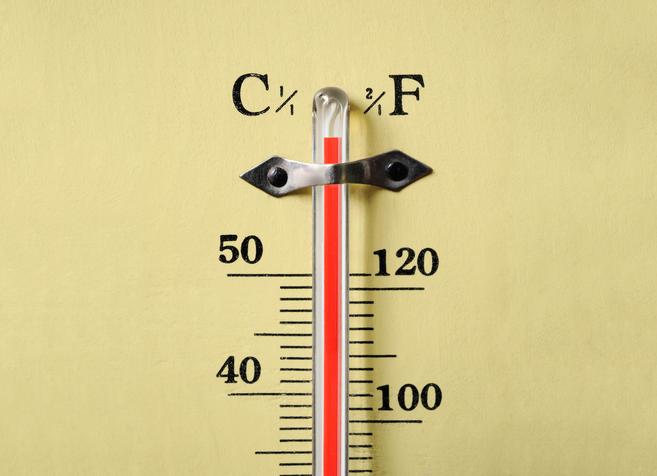
A new way of defining temperature?
Atoms wriggle – they can’t help themselves. And the warmer they are, the faster they writhe. By using lasers to measure how fast atoms of the element caesium zip around a vacuum chamber, Australian scientists have shown they can calculate the sample’s temperature. The super-accurate technique could be adopted as the basis of a new…
-
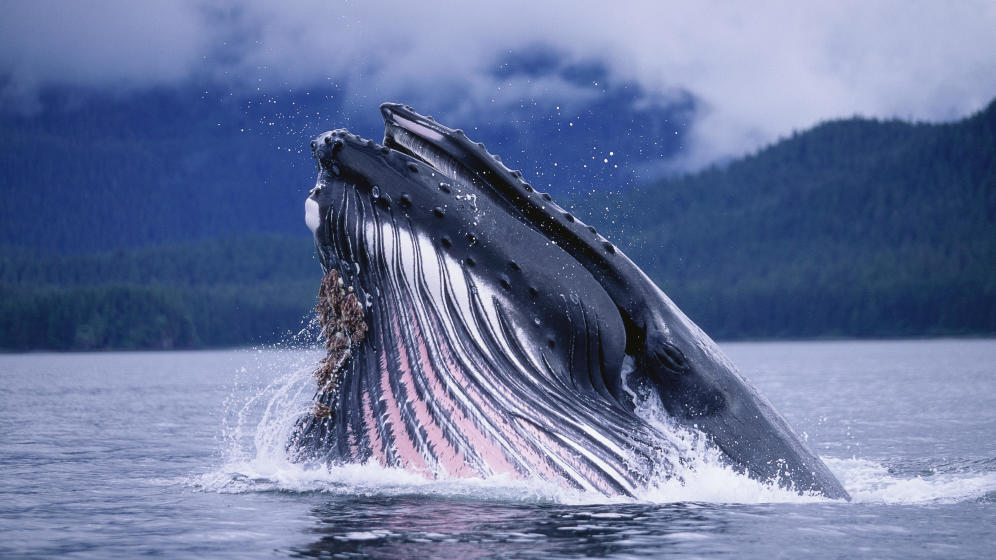
La falta de excrementos gigantes está desnutriendo el planeta
La desaparición de ballenas y de grandes mamíferos terrestres afecta a la fertilidad del suelo: estos grandes animales mueven toneladas de alimentos que devuelven a la tierra en forma de desechos.
-
The chemistry that could feed life within Saturn’s moon Enceladus: study gives clue ahead of flyby
Saturn’s 502km-diameter icy moon Enceladus has fascinated scientists since it was first seen up close by NASA’s Voyager probes in the 1980s. The moon is venting plumes of ice particles into space including traces of methane, carbon and simple organic compounds – making it a good candidate for harbouring life.
-
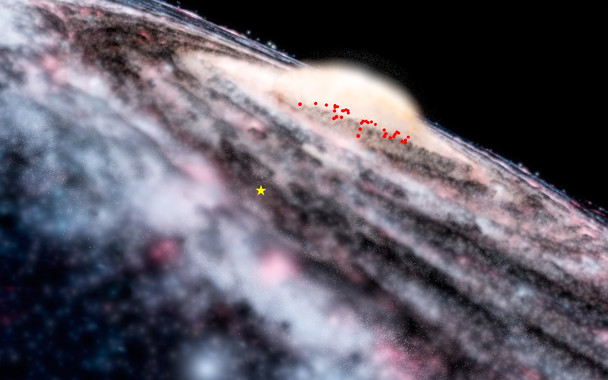
Las cefeidas ayudan a descubrir un nuevo componente de la Vía Láctea
Mientras cartografiaban un tipo de estrellas que varían de brillo, llamadas cefeidas, un equipo de astrónomos ha encontrado un disco de estrellas jóvenes ocultas tras las gruesas nubes de polvo que rodean el corazón de nuestra galaxia. Hasta ahora no se sabía que la Vía Láctea tuviera este componente estelar.