

Ciencia en los medios
-
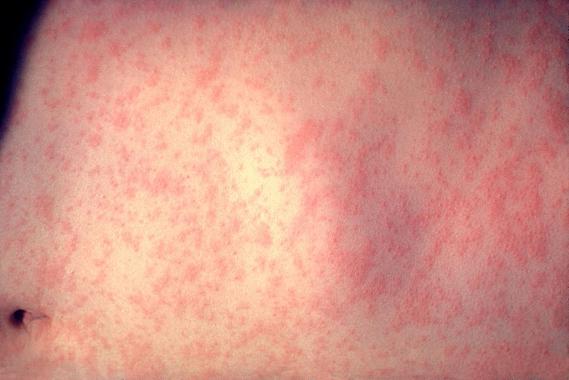
La erradicación del sarampión, más lejos de alcanzarse según la OMS
El progreso hacia la eliminación del sarampión se ha estancado, según ha alertado hoy la Organización Mundial de la Salud. Según el informe presentado, las causas del retroceso se atribuyen a la falta de financiación y al debilitamiento de los sistemas sanitarios.
-
The Great Depression
Depression causes a greater burden of disability than any other condition, yet it is widely undiagnosed and untreated. In this special collection of articles, Nature asks why that burden is so great, how science is helping and where research is running aground.
-

Fearing Bombs That Can Pick Whom to Kill
Weapons that rely on artificial intelligence to decide what to target could become increasingly difficult to control, critics warn.
-
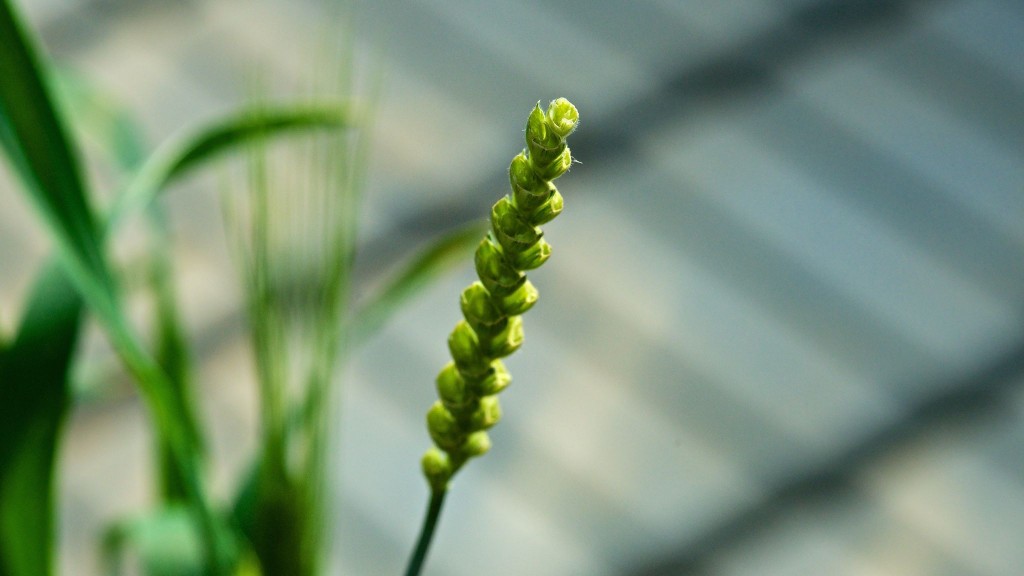
The Quest for Everlasting Agriculture
It’s a cycle nearly as old as human history. Plow, plant, harvest, and repeat. It worked for our ancestors, and it’s working for us now, though with ever more problems, from obliterating soil nutrients to encouraging erosion. And things may get worse in the future, too, when climate change threatens—whether through drowning or drought—to topple…
-
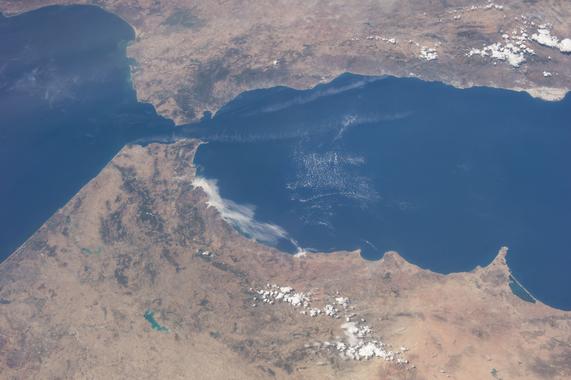
El manto de la litosfera bajo los márgenes continentales es más delgado de lo que se pensaba
Al estudiar la configuración de la litosfera en el sur de la península ibérica, un equipo internacional con participación del Consejo Superior de Investigaciones Científicas (CSIC) ha descubierto que el manto litosférico situado bajo los márgenes continentales es más delgado de lo que se pensaba. Los resultados se publican en Nature y abren la vía…
-
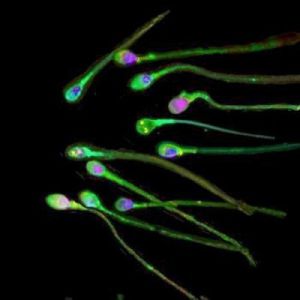
El propio semen protege al VIH de los antivirales
Hasta ahora, los geles (vaginales o anales) con antivirales no funcionan en humanos como en el laboratorio. De hecho, 30 años después de la aparición del sida, no hay ni un microbicida (el nombre técnico de estas cremas) en el mercado. Un estudio que publica Science Translational Medicine explica por qué los geles no actúan…
-
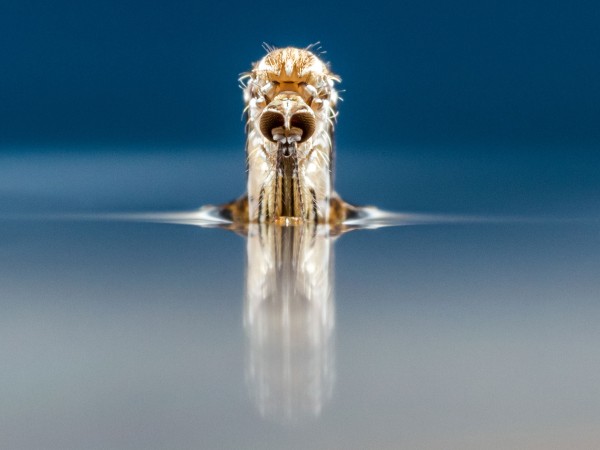
Gene turns mosquito into vampire
Out of the millions of species of insects, only about a hundred suck human blood. Now, scientists say they’ve figured out how one mosquito became a vampire: a gene that makes it particularly sensitive to human odor.
-
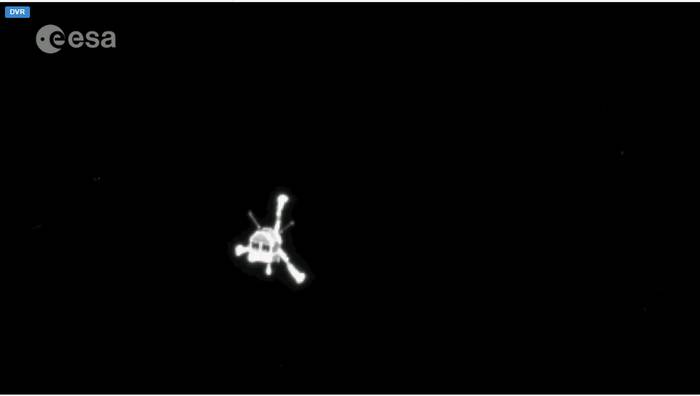
Philaeren kometaratzea, emozioz betetako operazioa
Egun handia izan da ESArentzat, eta baita zientzialari eta zientziazaleentzat ere. Goizeko 9:35tan hasi dira une zirraragarrienak, orduan baieztatu baita Philae ibilgailuak 67P/Churyumov-Gerasimenko kometara joateko bideahasi duela, Rosett aespazio-ontzitik askatuta. Kalkulatu zuten bezala, zazpi ordu behar izan ditu kometaren azalera iristeko, eta, bitartean, argazkiak atera ditu.
-
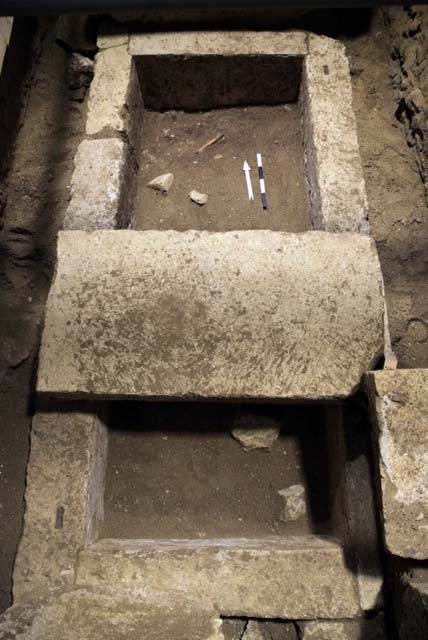
Bone Fragments Found in Greek Tomb from Era of Alexander the Great
Skeletal remains have been discovered inside a lavish burial complex in Greece that dates back to the era of Alexander the Great. The tomb is thought to be the largest of its kind in the Greek world, and the bone fragments could help solve the mystery of who was buried inside.