

Ciencia en los medios
-

How People Make Summer Hotter
Researchers wired Madison, Wisc., to get a better grasp of the urban heat island effect
-
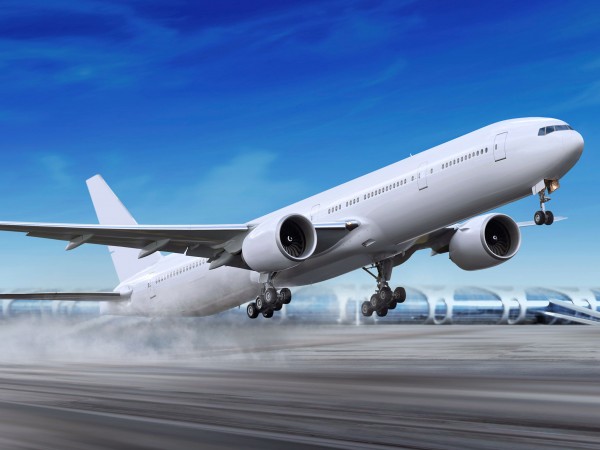
Warming world could make it harder for planes to take off
Air travel is about to become even more frustrating. Warmer global temperatures will make it tougher for planes to take off, tightening restrictions on just how much luggage or how many people can come aboard, a new study suggests.
-
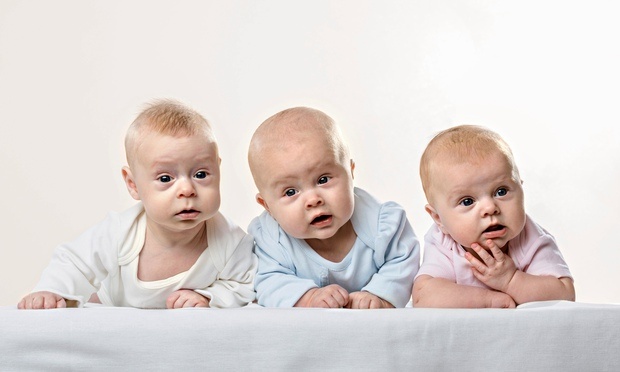
Face blindness – when you can’t recognise a familiar face
In a winning essay for the Wellcome Trust science writing prize, Kate Szell reports on research into prosopagnosia – face blindness
-
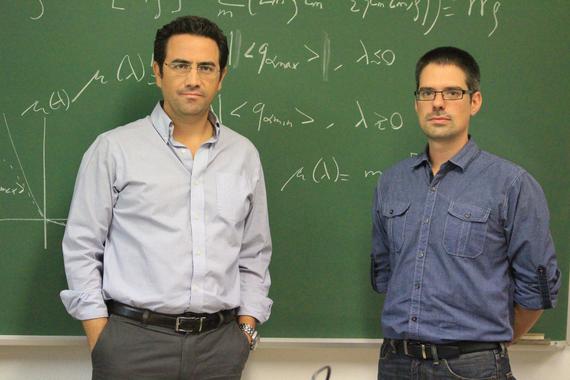
Nuevo modelo teórico de interruptor cúantico mediante simetría
Un equipo internacional de científicos, con participación de la Universidad de Granada, ha descrito cómo la simetría permite controlar el transporte de energía en sistemas cuánticos abiertos, formados por conjuntos de partículas en interacción perturbados por el entorno. El modelo teórico de interruptor cuántico puede ayudar a crear placas solares más eficaces, entre otras aplicaciones.
-
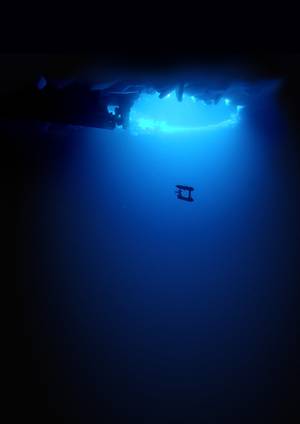
Antartikako itsas izotza, uste baino lodiagoa
Antartika inguratzen duen izotz geruza uste zen baino lodiagoa dela eman dute aditzera nazioarteko ikertzaile-talde batek argitaratutako neurketek. Itsaspeko bat erabili dute Tasmaniako Unibertsitateko, Woods Hole Ozeanografia Institutuko eta British Antarctic Survey erakundeko ikertzaileek izotz-geruzaren lodiera neurtzeko.
-
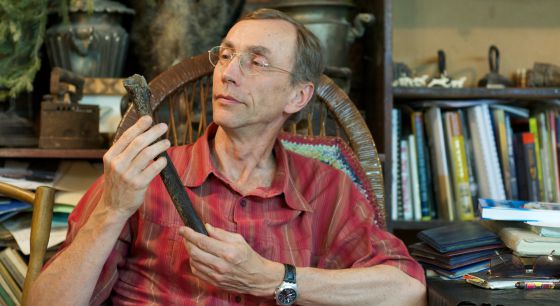
“Somos una mezcla de retales de todos nuestros antepasados”
El investigador sueco, director del equipo que completó el genoma del neandertal, asegura que el año próximo anunciará resultados «interesantes» de sus trabajos en Atapuerca
-
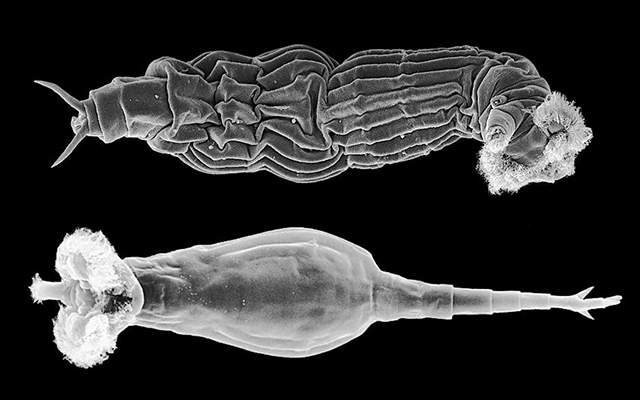
Ancient Survivors Could Redefine Sex
If all the animals on Earth could offer a single lesson for long-term survival, it might be this: Sex works. Out of the estimated 8 million animal species, all but a smattering are known to reproduce sexually, and those that don’t are babes in evolutionary terms, newly evolved animals that recently lost the ability to…
-
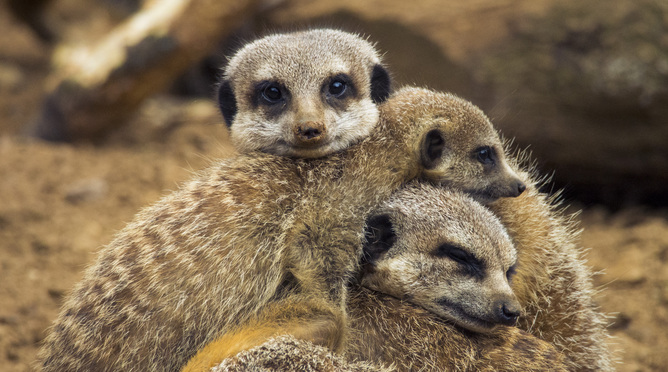
Clumped cancer cells spread more efficiently through the body than lone ones
Nine out of ten cancer patients die because cancer cells enter the blood circulation, spread and form tumours at distant organs. In circulation, cells can move individually or in a cluster. It is believed that cells moving individually pose the highest risk of forming tumours and are the primary “villains”. A recent study we published…
-
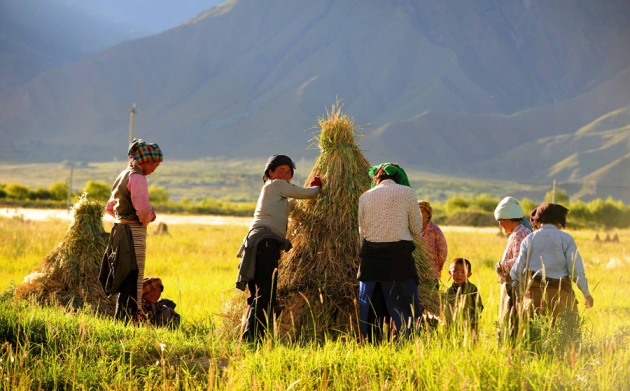
Barley fuelled farmers’ spread onto Tibetan plateau
Cold-tolerant crop enabled high-altitude agriculture some 3,600 years ago.