

Ciencia en los medios
-
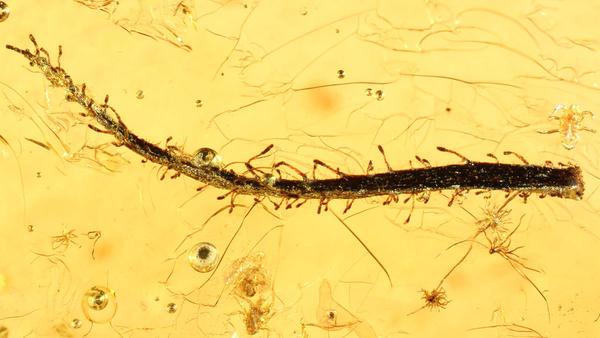
Tree sap turns table on bug trap plant
Some 40 million years ago around the Baltic Sea coast, an insect-killing plant was busy trapping bugs. Its leaves, about as long as a pencil eraser, eventually fell into sticky sap, which hardened to amber and stayed there until miners scooped it up, cut it with a dental drill, polished it up and sold it…
-
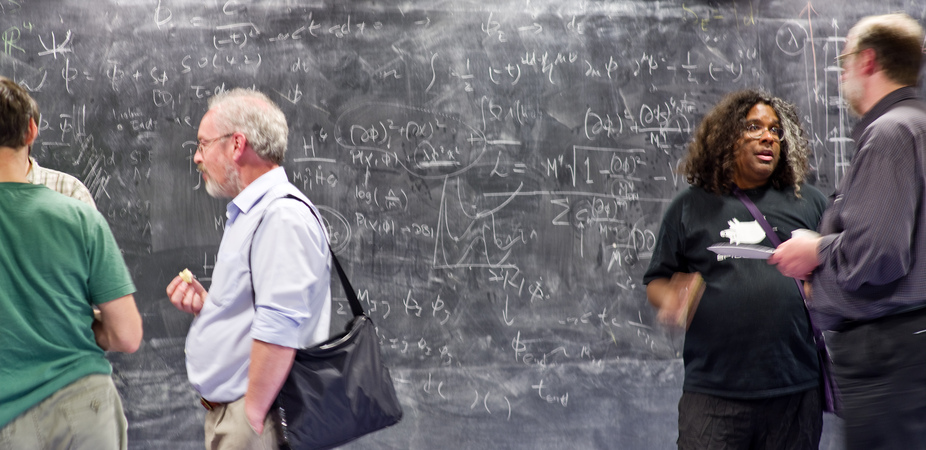
Where’s the proof in science? There is none
What do we actually mean by research and how does it help inform our understanding of things? Those people looking for proof to come from any research in science will be sadly disappointed.
-

Climate change drove mastodons to the brink, humans pushed them over
Climate change played a pivotal role in the extinction of mastodons in North America, new radiocarbon dating of fossils has revealed – though hunting by people may have been the last straw.
-
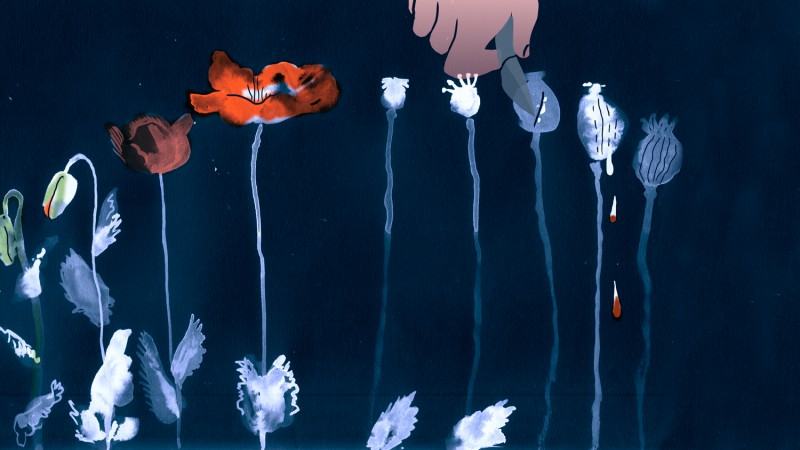
Saved: How addicts gained the power to reverse overdoses
Naloxone can reverse an otherwise fatal heroin overdose within minutes. Carrie Arnold meets the doctors who put this remarkable drug in the hands of the police, families and addicts—and saved thousands of lives.
-

El tiempo se agota
El cielo de Pekín puede ser azul. Eso es lo que acaban de descubrir los habitantes de la capital china. Y todo gracias al decidido plan que emprendieron las autoridades locales a principios de noviembre para recibir en el mejor de los ambientes posibles a Putin, Obama, Bachelet y demás líderes de la cumbre Asia…
-
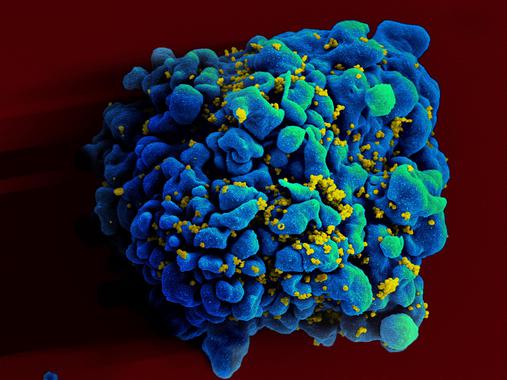
Las matemáticas revelan que el tratamiento simultáneo contra el VIH y la hepatitis C aumenta su éxito
Un investigador español ha colaborado en un análisis matemático, publicado recientemente en la revistaScience Translational Medicine, que concluye que la terapia conjunta frente al VIH en pacientes que además tienen hepatitis C aumenta el éxito en la lucha contra ambas infecciones. Entre ocho y nueve millones de personas en el mundo sufren sida y hepatitis…
-
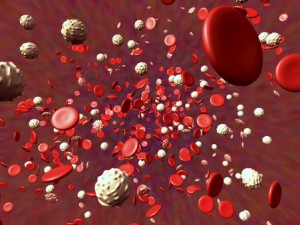
Is the Blood of Ebola Survivors an Effective Treatment?
When the World Health Organization recently named blood transfusions from Ebola survivors as its priority experimental therapy for the disease ravaging west Africa there was only one major problem: no data indicating that such transfusions work.
-
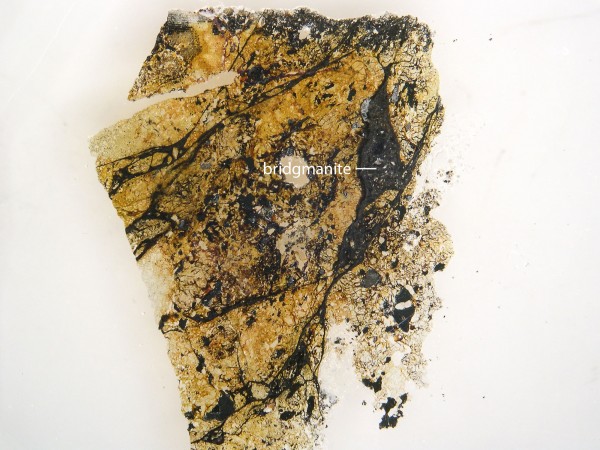
Respect long overdue: Earth’s most abundant mineral finally gets an official name
The mineral that makes up more than a third of our planet finally has a name, thanks to tiny samples found, ironically, in a meteorite that fell to Earth in Australia in 1879.
-
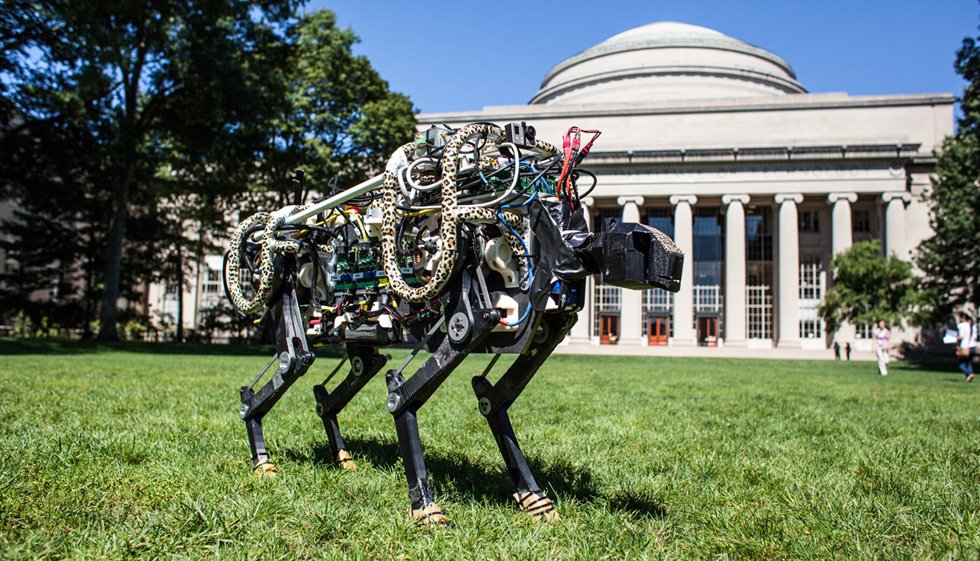
This Cheetah Robot Is ‘A Ferrari In The Robotics World’
DARPA’s made all types of robots, from «Big Dog» to «Wild Cat,» and soft robots to flying robots. Their latest creepy invention is a robotic «cheetah» that can run, bound, and jump obstacles in its path all while running on a quiet electric motor, giving the robot its stealthy cat-like quality.