

Ciencia en los medios
-
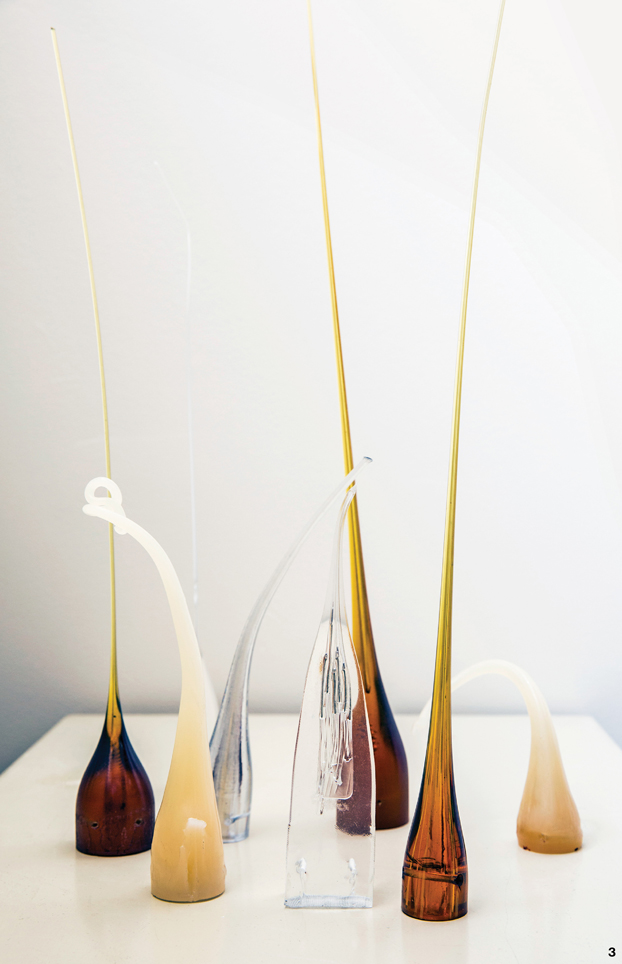
A Swiss Army Knife for Neuroscience
Neural probes that combine optics, electronics, and drugs could help unlock the secrets of the brain.
-
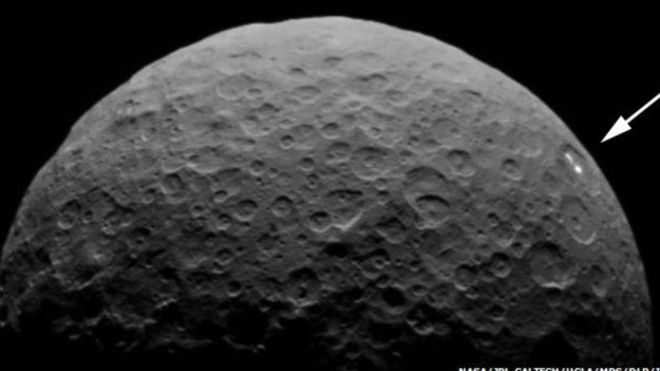
Los misteriosos puntos luminosos que reaparecieron en el planeta enano Ceres
No se sabe a ciencia cierta por qué los puntos reflejan la luz solar de esa manera en comparación a su entorno. Se alude a la presencia de hielo, pero el hielo no sería estable en un cuerpo sin atmósfera.
-
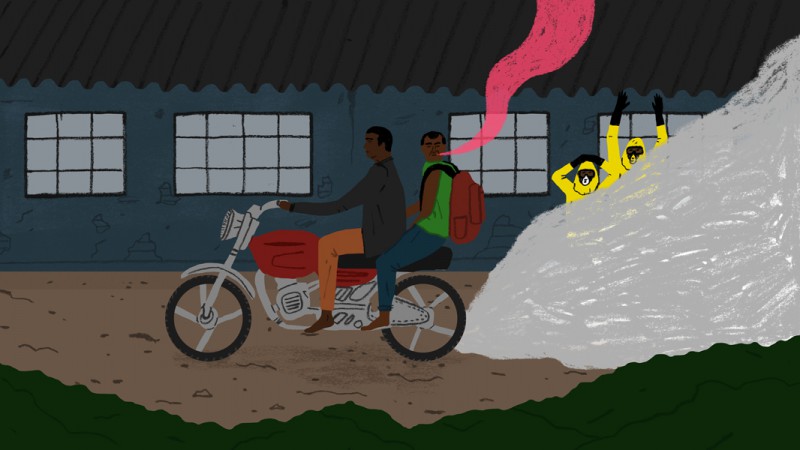
Ebola: The road to zero
The worst of the Ebola epidemic may be over but the World Health Organization has declared that life in Sierra Leone, as in other Ebola-affected West African countries, can only return to normal when transmission of the virus ceases and cases drop to zero. Unfortunately, not everyone in Sierra Leone is so concerned. Mark Honigsbaum…
-
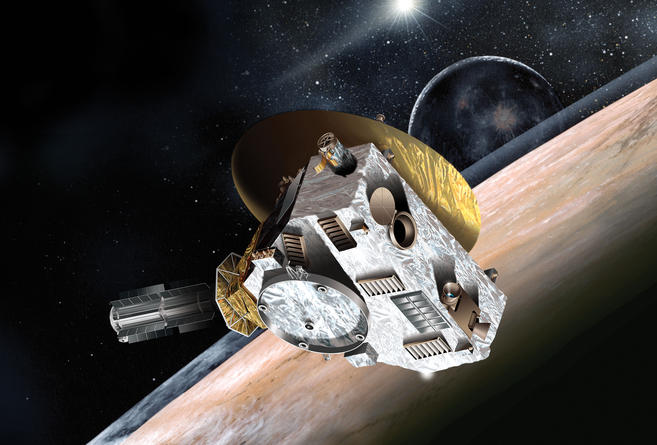
Some scientists are convinced more planets exist in our Solar System
Not many years ago, the idea our Solar System might contain undiscovered planets beyond Pluto would have been considered science fiction. But now, with NASA’s New Horizons spacecraft three months away from giving us our first close-up view of Pluto, astronomers are beginning to wonder. The more we study the dwarf planet and its surrounds,…
-
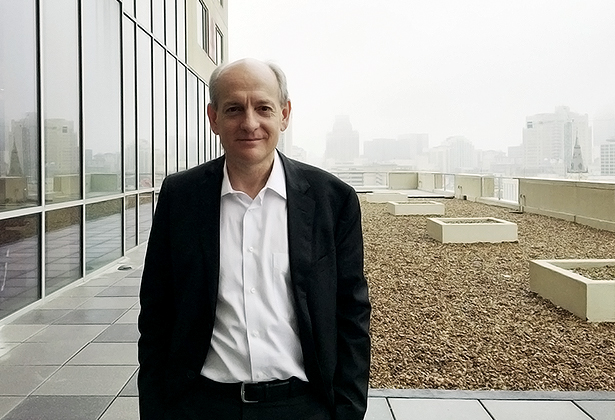
Concerns of an Artificial Intelligence Pioneer
The computer scientist Stuart Russell wants to ensure that our increasingly intelligent machines remain aligned with human values.
-

¿Por qué solo los humanos modernos tienen barbilla?
En esta foto del cráneo de un humano moderno y de un neandertal frente a frente, ¿echan en falta algo? Existe una característica que los primates, neandertales y humanos arcaicos no tienen: la barbilla. Investigadores de la Universidad de Iowa (EE UU) sostienen que el mentón proviene de la evolución, no de fuerzas mecánicas como…
-
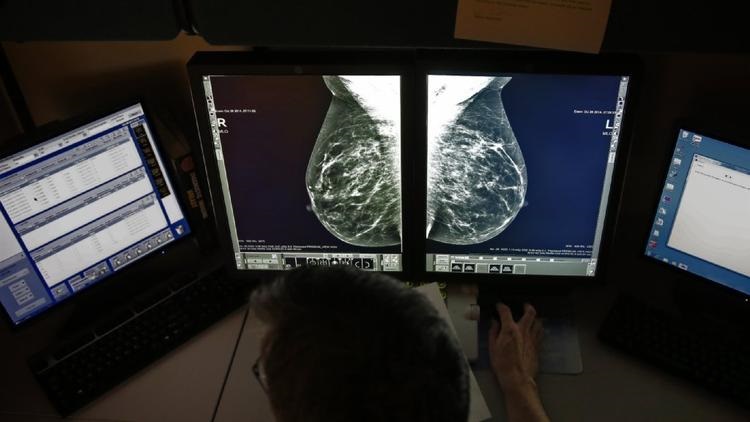
To find breast cancer, more mammograms aren’t better, expert panel says
“Women ages 40 to 49 must weigh a very important but infrequent benefit (small reduction in breast cancer deaths) against a group of meaningful and much more common harms,” according to the report. These harms include “overdiagnosis and overtreatment; unnecessary and sometimes invasive followup testing and psychological harms associated with false-positive tests; and false reassurance…
-
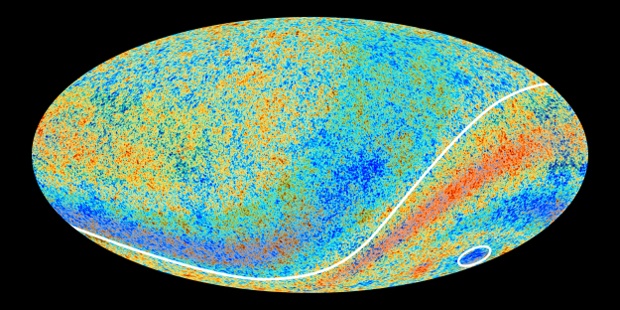
Astronomers discover largest known structure in the universe is … a big hole
Scientists searching for an explanation for an unusually cool area of sky instead discovered a supervoid: an empty spherical blob 1.8 billion light years across
-
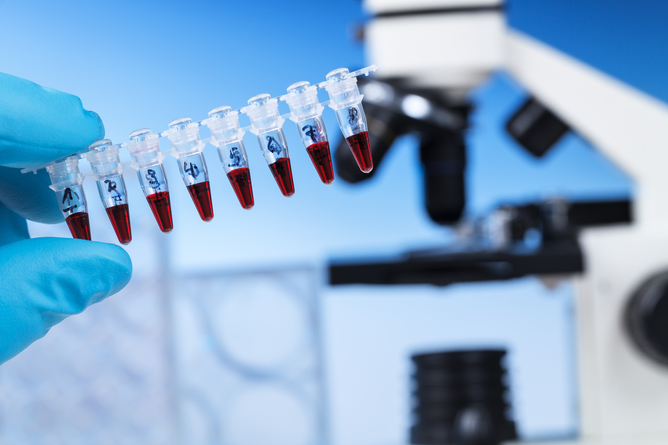
Sex offending may be in the genes but knowing that won’t prevent it
The research, which analysed DNA from 21,566 men convicted of sex offences in Sweden between 1973 and 2009, found that sons and brothers of convicted sex offenders were four to five times more likely to be convicted of sex crimes than men in the general population.