

The New York Times
-
Can the Bacteria in Your Gut Explain Your Mood?
The rich array of microbiota in our intestines can tell us more than you might think.
-
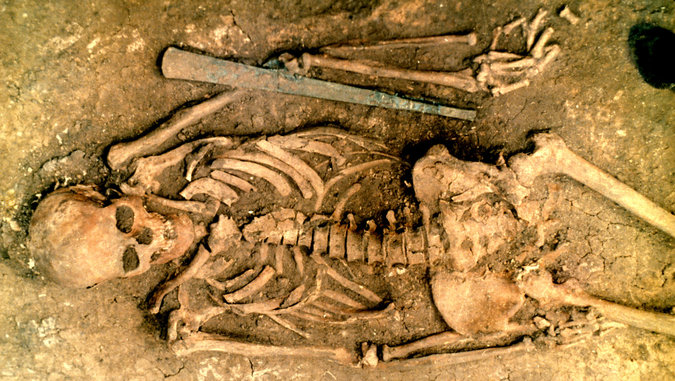
DNA Deciphers Roots of Modern Europeans
For centuries, archaeologists have reconstructed the early history of Europe by digging up ancient settlements and examining the items that their inhabitants left behind. More recently, researchers have been scrutinizing something even more revealing than pots, chariots and swords: DNA.
-
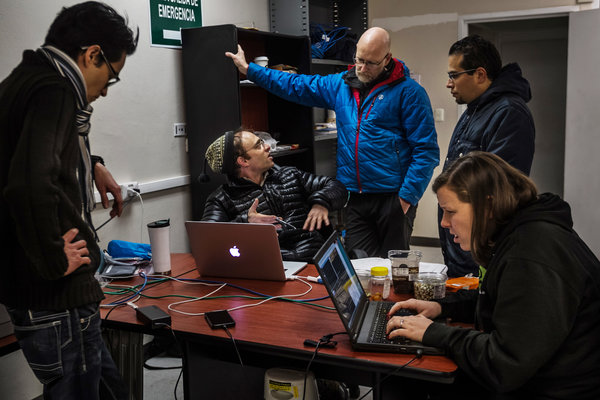
Black Hole Hunters
Known as the Event Horizon Telescope, named after the point of no return in a black hole, its job was to see what has been until now unseeable: an exquisitely small, dark circle of nothing, a tiny shadow in the glow of radiation at the center of the Milky Way galaxy. It is there that…
-
Chimpanzees Would Cook if Given the Chance, Research Says
Chimpanzees have the cognitive ability to cook, according to new research, if only someone would give them ovens.
-
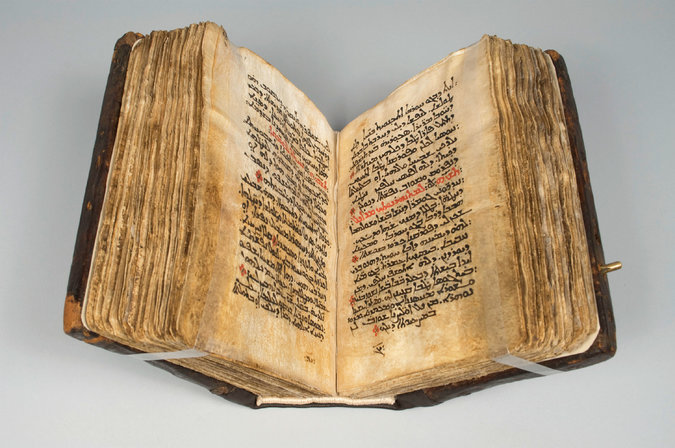
Medicine’s Hidden Roots in an Ancient Manuscript
Scholars are just beginning to pore over the text, the oldest known copy of Galen’s “On the Mixtures and Powers of Simple Drugs.” It may well provide new insights into medicine’s roots and into the spread of this new science across the ancient world.
-
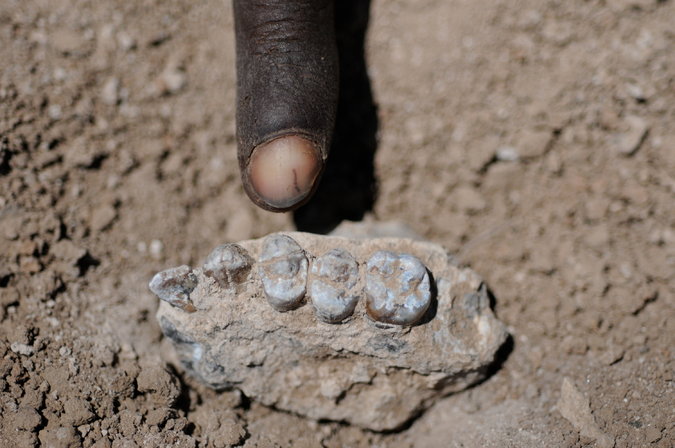
Adding Branches to the Human Family Tree
For scientists who study human evolution, the last few months have been a whirlwind. Every couple of weeks, it seems, another team pulls back the curtain on newly discovered bones or stone tools, prompting researchers to rethink what we know about early human history.
-

Explaining a Cornerstone of Game Theory: John Nash’s Equilibrium
John F. Nash Jr. was best known for advances in game theory, which is essentially the study of how to come up with a winning strategy in the game of life — especially when you do not know what your competitors are doing and the choices do not always look promising.
-
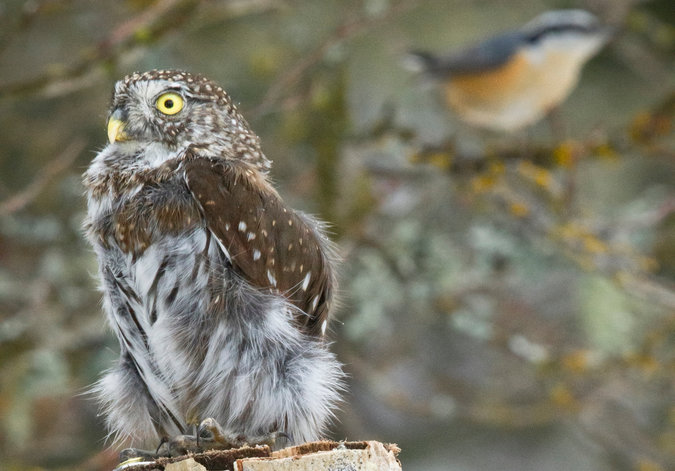
When Birds Squawk, Other Species Seem to Listen
Studies in recent years by many researchers have shown that animals such as birds, mammals and even fish recognize the alarm signals of other species. Some can even eavesdrop on one another across classes.
-
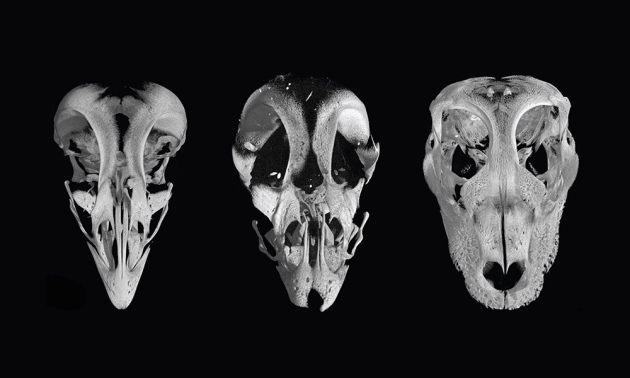
Reverse Engineering Birds’ Beaks Into Dinosaur Bones
Birds evolved from dinosaurs 150 million years ago, a slow but thorough transformation. Their bodies gained aerodynamic feathers, their digits fused into wings, and they acquired a beak used to gather food Some researchers are now trying to pinpoint those genetic changes with experiments on chicken embryos. If the scientists succeed, they should eventually be…