

The New York Times
-
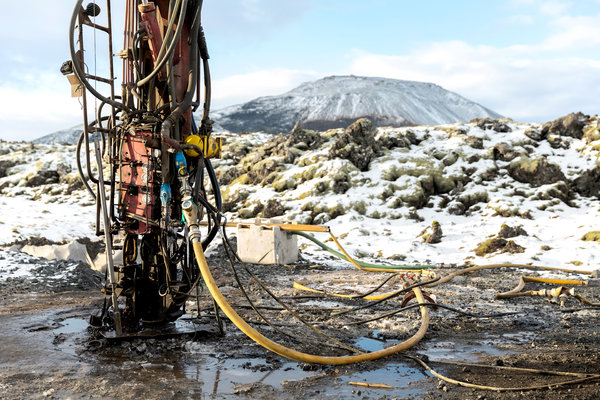
Turning Carbon Dioxide Into Rock, and Burying It
In a test that began in 2012, scientists had injected hundreds of tons of water and carbon dioxide gas 1,500 feet down into layers of porous basaltic rock, the product of ancient lava flows from the nearby Hengill volcano. Now the researcher, Sandra Snaebjornsdottir, a doctoral student at the University of Iceland, was looking for…
-

Can Attention Deficit Drugs ‘Normalize’ a Child’s Brain?
Recent research that says that A.D.H.D. pills can “normalize” a child’s brain over time has drawn criticism.
-

A Discredited Vaccine Study’s Continuing Impact on Public Health
Some parents feel certain that vaccines can lead to autism, if only because there have been instances when a child got a shot and then became autistic. Post hoc, ergo propter hoc. Making that connection between the two events, most health experts say, is as fallacious in the world of medicine as it is in…
-

Learning From Animal Friendships
Videos of unlikely animal pairs romping or snuggling have become so common that they are piquing the interest of some scientists, who say they invite more systematic study. Among other things, researchers say, the alliances could add to an understanding of how species communicate, what propels certain animals to connect across species lines and the…
-
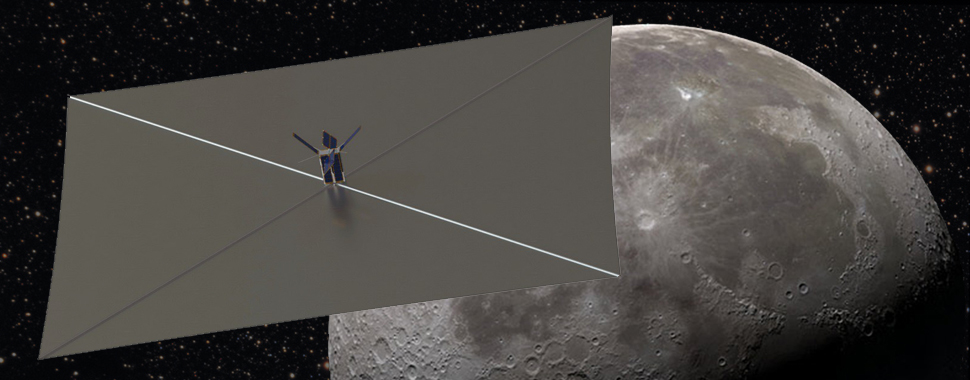
New Phase of Space Travel Hopes to Set Sail on Sunlight
To sail on winds of sunlight has long been a dream of rocket scientists. The Planetary Society, a nonprofit that promotes space exploration, announced Monday that it would send the first of two small spacecraft testing the technology of solar sails into orbit this May, tagging along with other small satellites on an Atlas 5…
-
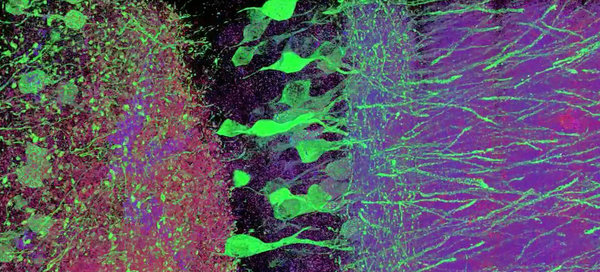
Expansion Microscopy Stretches Limits of Conventional Microscopes
A new laboratory technique enables researchers to see minuscule biological features, such as individual neurons and synapses, at a nearly molecular scale through conventional optical microscopes.
-
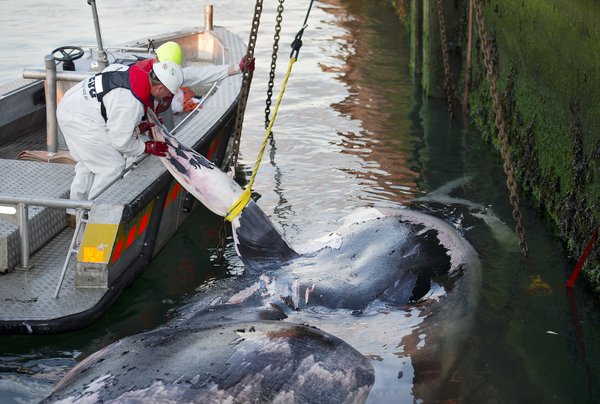
Ocean Life Faces Mass Extinction, Broad Study Says
A team of scientists, in a groundbreaking analysis of data from hundreds of sources, has concluded that humans are on the verge of causing unprecedented damage to the oceans and the animals living in them.
-
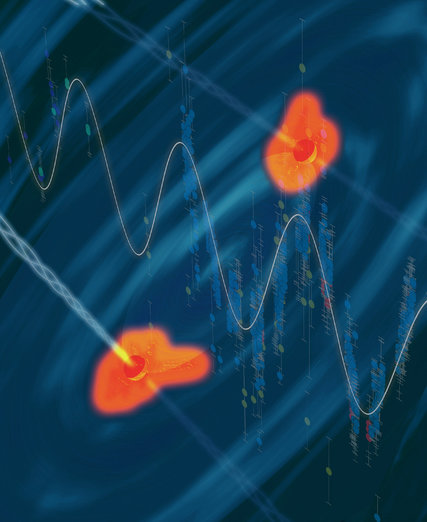
Black Holes Inch Ahead to Violent Cosmic Union
Scientists say a pair of supermassive black holes appear to be spiraling toward a galaxy-wrecking collision that could release as much energy as 100 million supernova explosions.
-

In a New Approach to Fighting Disease, Helpful Genetic Mutations Are Sought
After years of looking for genetic mutations that cause diseases, investigators are now searching for those that prevent them.