
The New York Times
-

More Details on Rising Mortality Among Middle-Aged Whites
The authors of a much-discussed study on mortality rates among middle-aged whites have released additional data that rebuts part of an argument made by a critic of their study.
-
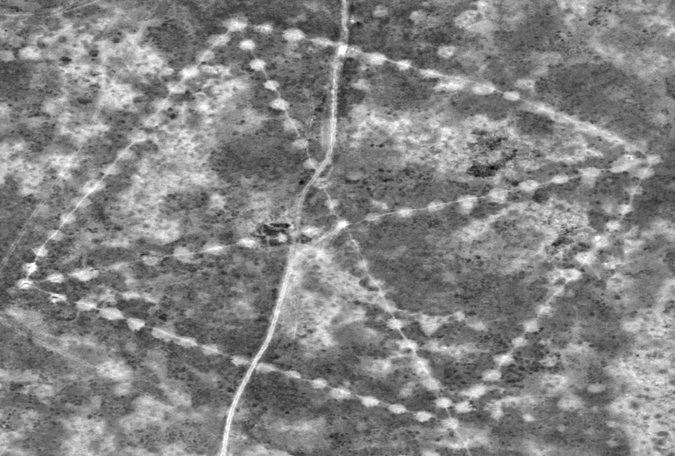
NASA Adds to Evidence of Mysterious Ancient Earthworks
Satellite pictures of a remote and treeless northern steppe reveal colossal earthworks — geometric figures of squares, crosses, lines and rings the size of several football fields, recognizable only from the air and the oldest estimated at 8,000 years old.
-
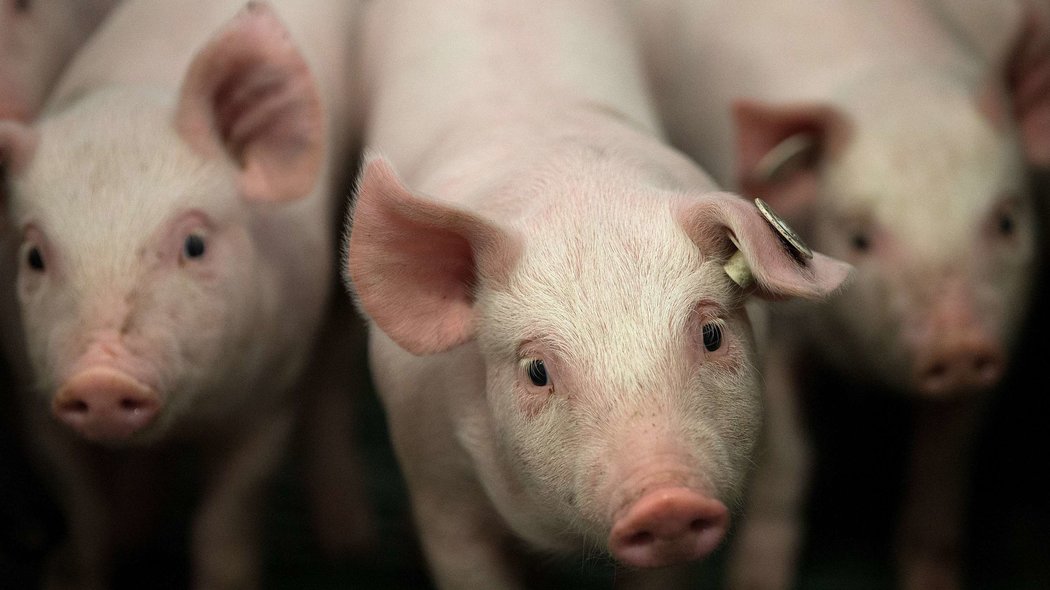
Editing of Pig DNA May Lead to More Organs for People
In a typical experiment, scientists use Crispr to alter a single gene. But in recent work with pig cells, Dr. Church and his colleagues used Crispr to alter 62 genes at once. The researchers hope that this achievement may someday make it possible to use pig organs for transplantation into humans.
-
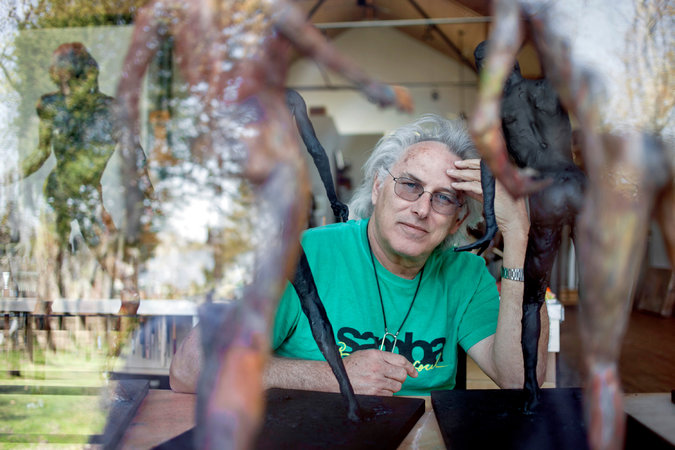
Developing DNA as a Standard for Authenticating Art
A new authentication system that would let artists sign their works with specks of synthetic DNA. The method is being developed at the Global Center for Innovation at the State University of New York at Albany.
-

Mass Killings Are Seen as a Kind of Contagion
Experts have come to understand mass shootings less as isolated expressions of rage and more as acts that build on the outlines of previous rampages.
-
![Testing Neurons With Ultrasound [+ video]](https://katedra.eus/app/uploads/2014/09/unnamed11.jpg)
Testing Neurons With Ultrasound [+ video]
Turning certain brain cells on and off with light — a technique called optogenetics — is one of the most important tools in neuroscience. It allows scientists to test basic ideas about how brains work. But because waves of visible light don’t penetrate living tissue well, the technique requires the insertion of a conduit for…
-
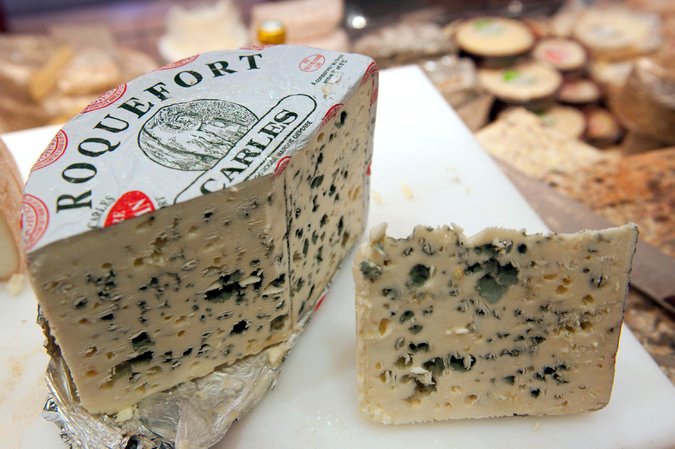
That Stinky Cheese Is a Result of Evolutionary Overdrive
Like many biologists, Ricardo C. Rodríguez de la Vega searches the world for new species. But while other scientists venture into the depths of the ocean or the heart of the jungle, Dr. Rodríguez de la Vega and his colleagues visit cheese shops.
-
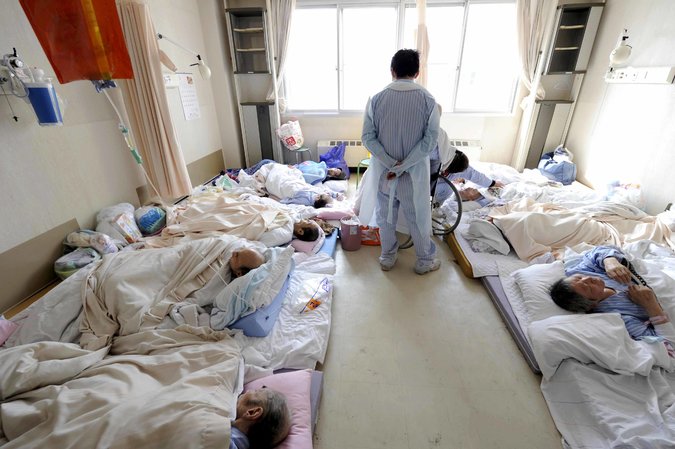
When Radiation Isn’t the Real Risk
Four years after the nuclear accident at Fukushima, no one has been killed or sickened by radioactivity. But 1,600 died fleeing the disaster.