

The New York Times
-

Curing Hepatitis C, in an Experiment the Size of Egypt
Six million Egyptians were infected with hepatitis C by unsterile needles during the country’s decades-long fight against schistosomiasis. The virus spread insidiously; today, at least 10 percent of Egyptians, nearly nine million people, are chronically infected, the highest rate in the world. But a grand experiment unfolding across the country may change all that.
-
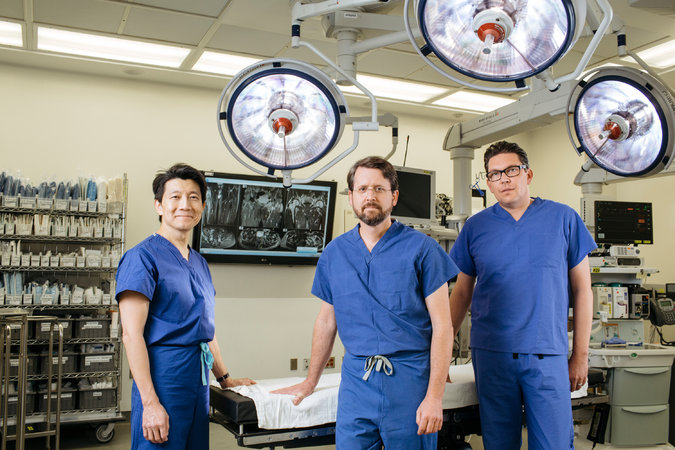
Penis Transplants Being Planned to Help Wounded Troops
Within a year, maybe in just a few months, a young soldier with a horrific injury from a bomb blast in Afghanistan will have an operation that has never been performed in the United States: a penis transplant. The organ will come from a deceased donor, and the surgeons, from Johns Hopkins University School of…
-
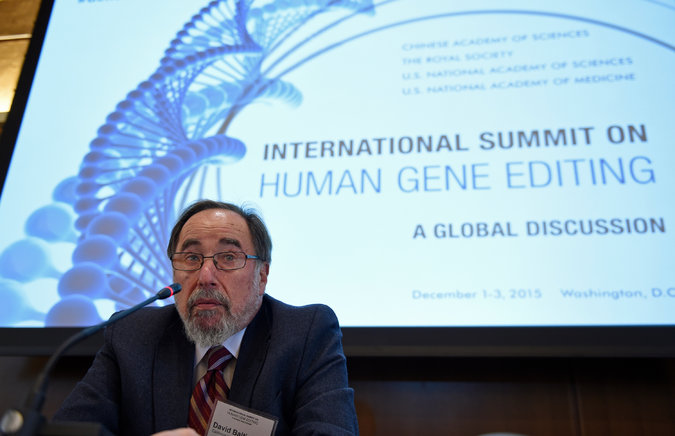
Scientists Seek Moratorium on Edits to Human Genome That Could Be Inherited
An international group of scientists meeting in Washington called on Thursday for what would, in effect, be a moratorium on making inheritable changes to the human genome.
-
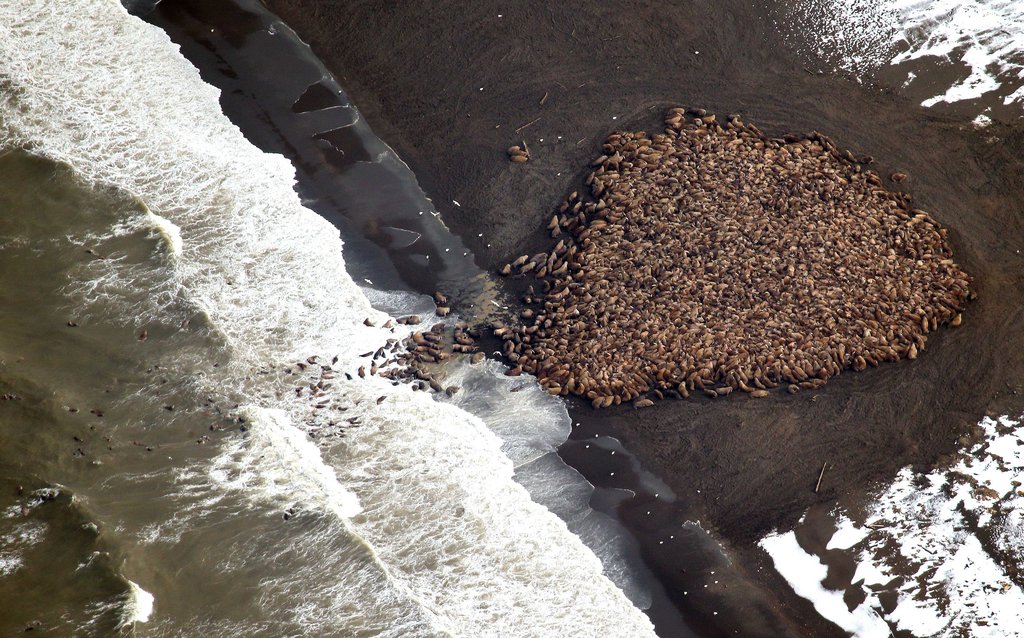
What Climate Change Looks Like: Walrus Crowding
Packed shoulder to shoulder, an estimated 35,000 Pacific walruses congregated on Alaska’s northwest coast near Point Lay last fall. Normally the mammals find ocean ice sheets to rest on, but as waters have warmed the ice sheets have disappeared.
-

Open Season Is Seen in Gene Editing of Animals
The uproar over the new ease and precision with which scientists can manipulate the DNA of living things has centered largely on the complicated prospect of editing human embryos. But with the federal government’s approval last week of a fast-growing salmon as the first genetically altered animal Americans can eat, a menagerie of gene-edited animals…
-
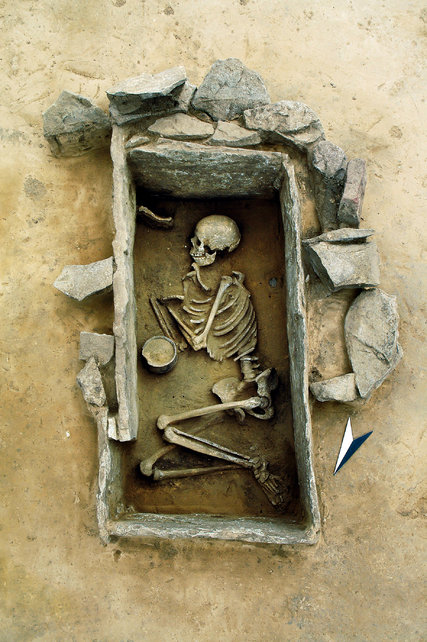
Agriculture Linked to DNA Changes in Ancient Europe
The agricultural revolution was one of the most profound events in human history, leading to the rise of modern civilization. Now, in the first study of its kind, an international team of scientists has found that after agriculture arrived in Europe 8,500 years ago, people’s DNA underwent widespread changes, altering their height, digestion, immune system…
-
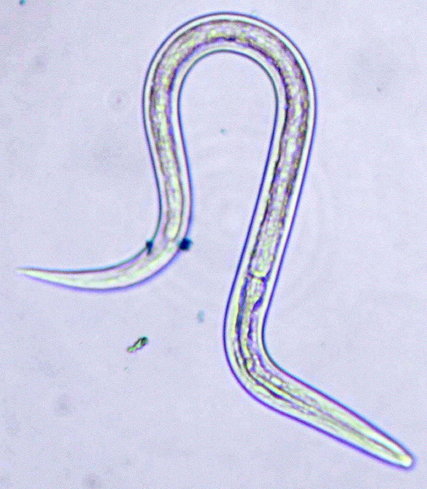
Parasites Found to Influence Fertility in Women
Among indigenous people in Bolivia, women were likely to have more children if they were infected with roundworms
-
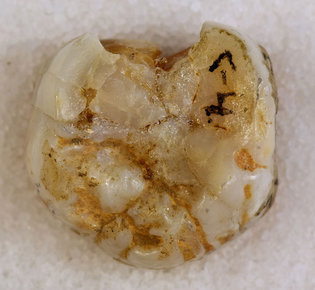
In a Tooth, DNA From Some Very Old Cousins, the Denisovans
A tooth fossil discovered in a Siberian cave has yielded DNA from a vanished branch of the human tree, mysterious cousins called the Denisovans
-

Stonehenge Begins to Yield Its Secrets
Discoveries over the last decade have revealed more about the everyday lives of the people for whom the giant monuments held meaning.