

The New York Times
-
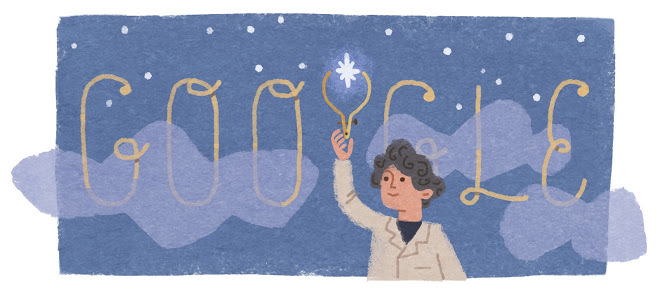
The Curious Case of the Caspian Sea’s Scars
What crafted these crisscrossing lines in the #Caspian Sea? It’s a question that had Norman Kuring, an oceanographer for NASA, scratching his head earlier this month when he first saw this satellite image of the shallow waters surrounding the Tyuleniy Archipelago. He and his colleagues posted the peculiar picture to Twitter and asked for help.
-
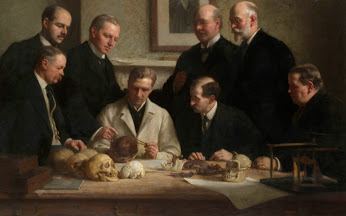
What I Learned From Tickling Apes
Laughter? Now wait a minute! A real scientist should avoid any and all anthropomorphism, which is why hard-nosed colleagues often ask us to change our terminology. Why not call the ape’s reaction something neutral, like, say, vocalized panting? That way we avoid confusion between the human and the animal.
-
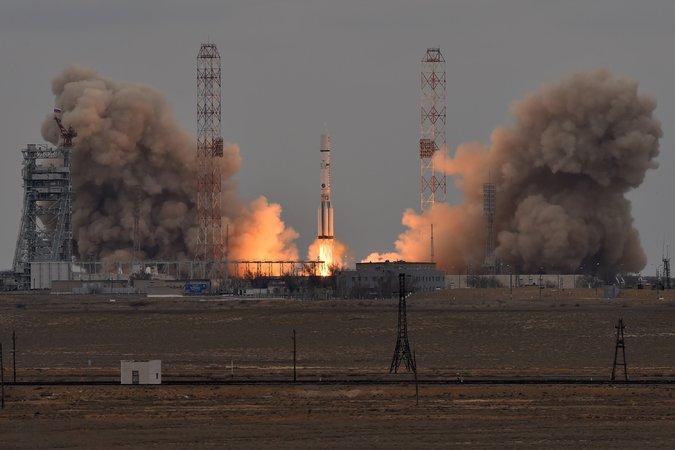
Mars Mission Blasts Off From Kazakhstan
The ExoMars spacecraft consists of an orbiter that will measure methane and other gases in the Martian atmosphere and a lander that will study dust storms.
-

Marine Life Thrives in Unlikely Place: Offshore Oil Rigs
The realization is adding momentum to efforts to convert some of the platforms into artificial reefs once they are decommissioned.
-
Crows Clever Enough to Learn a Shell Game
New Caledonian crows had trouble finding food moved from one bowl to another, until they were trained to watch hands.
-

Scientists Ponder the Prospect of Contagious Cancer
Imagine if cancer cells had the ability to press on to another body. A cancer like that would have the power to metastasize not just from organ to organ, but from person to person, evolving deadly new skills along the way.
-

Seas Are Rising at Fastest Rate in Last 28 Centuries
Scientists reported Monday that flooding in coastal communities was largely a result of greenhouse gas emissions, and likely to grow worse.
-

Gravitational Waves Detected, Confirming Einstein’s Theory
A team of scientists announced on Thursday that they had heard and recorded the sound of two black holes colliding a billion light-years away, a fleeting chirp that fulfilled the last prediction of Einstein’s general theory of relativity.
-
New Ways Into the Brain’s ‘Music Room’
M.I.T. researchers have devised a radical approach to brain imaging that reveals what past studies missed about neural responses to music.