

The Guardian
-

World’s cities experiencing more heatwaves, study shows
Number of extremely hot days a year has increased in hundreds of cities since the 1970s years, with frequencies peaking in the last five years
-

Dying star could be behind immensely powerful radio bursts ‘heard’ live
A fleeting but immensely powerful celestial signal has been “heard” live for the first time, radio astronomers in Australia have announced, bringing scientists a step closer to discovering its mysterious […]
-

Why the modern world is bad for your brain
In an era of email, text messages, Facebook and Twitter, we’re all required to do several things at once. But this constant multitasking is taking its toll. Here neuroscientist Daniel […]
-
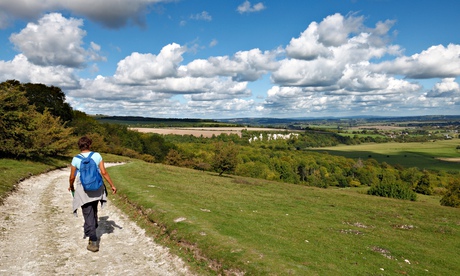
Scientists recommend 20-minute daily walk to avoid premature death
Scientists looked at the effects of obesity and exercise on 334,161 European men and women whose progress was followed for 12 years. They found that people who engaged in moderate […]
-

Kepler 438b: Most Earth-like planet ever discovered could be home for alien life
New discovery is likely to be a rocky world in the ‘Goldilocks’ zone of its parent star where the temperature is just right for liquid water to flow
-

Bad luck, bad journalism and cancer rates
Please, journalists, get a clue before you write about science
-
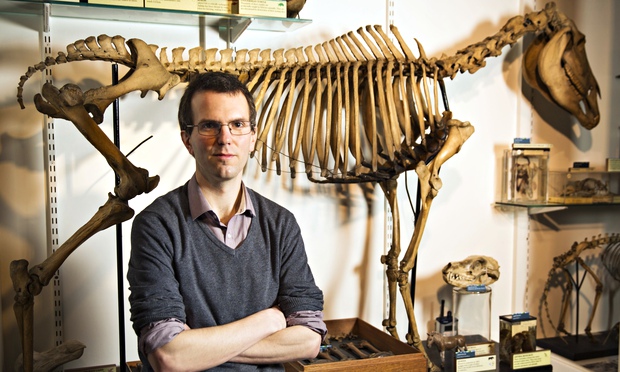
The quagga now standing on three legs is next in line for Bone Idol restoration
The creature standing rather unsteadily in a zoology museum in London is among the rarest in the world, and frankly she’s not looking her best. The creature standing rather unsteadily […]
-

How we grin to bear it – the science of smiling
‘The curve that sets everything straight” was how comedian Phyllis Diller once described the smile. And it’s true that there’s something charming, trustworthy and disarming about a smile – but […]
-

Skull of oldest horned dinosaur in North America found
Fossil from tiny plant eater, Aquilops americanus, suggests horned dinosaurs originated in Asia