

The Guardian
-
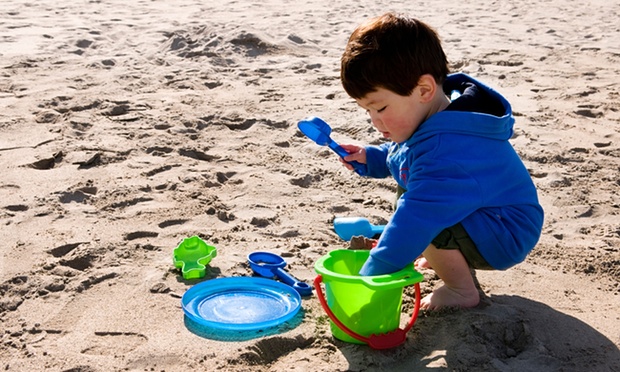
No monkeying around: toddlers as inventive as wild apes at using tools
Whether digging for insects or cracking nuts, children, like apes, work out how to use tools to solve problems without learning from others, research shows
-
‘Mini-brains’ could revolutionise drug research and reduce animal use
Cells grown in petri dishes could allow researchers to observe the effects of drugs on neural activity as well as on the health and function of brain cells
-
Do whales have nipples? Why discussing evolution in schools can occasionally be tricky
It’s not the contested issue you’d think it is, looking at Twitter. But I have to be honest, it can be difficult when religious supervisors attend my science sessions.
-
British researchers get green light to genetically modify human embryos
Scientists investigating miscarriage will not be able to implant embryos or study them for more than two weeks, says HFEA
-
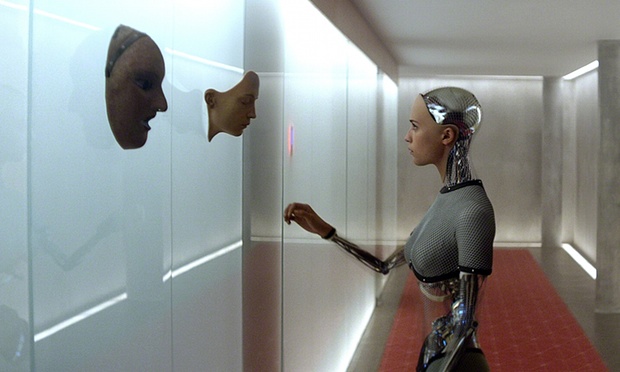
Artificial Intelligence: Gods, egos and Ex Machina
Even with its flaws, last year’s Ex Machina perfectly captured the curious relationship between artificial intelligence, God and ego. A tiny change in its closing moments would have given it […]
-
Most threats to humans come from science and technology, warns Hawking
Speaking ahead of his BBC Reith Lecture on black holes, Stephen Hawking discusses the danger inherent in progress and the chances of disaster on Earth
-
Scientists struggle to stay grounded after possible gravitational wave signal
Cosmologist’s tweet appears to confirm rumours of discovery that could ‘open a new window on the universe’
-
Alzheimer’s treatment closer as brain inflammation shown to be key
Study shows inflammation-reducing chemical prevents memory and behavioural problems in diseased mice, raising hopes for human treatment
-
The problem with science journalism: we’ve forgotten what reality matters most
It’s the job of science journalists to look beyond data – we have to look at the people doing the science and whether they have conflicts of interest