

The Economist
-
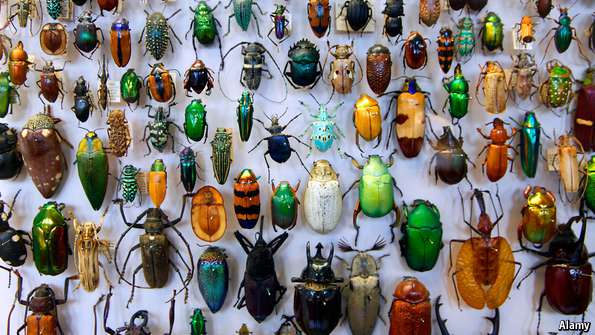
Beetlemania
“AN INORDINATE fondness for beetles.” That was the reply of J.B.S. Haldane, a British scientific polymath of the early 20th century, when he was asked if there were anything that could be concluded about God from the study of natural history. There are 380,000 catalogued species of beetle, making them the most species-rich group of…
-
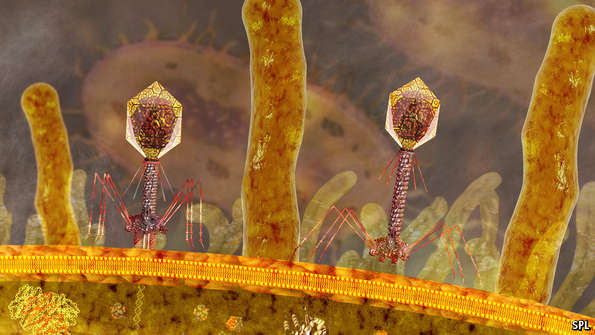
Strange medicine
SET a thief to catch a thief is an old proverb. In the 1920s, shortly after the discovery of viruses, it was put to good use by doctors. They found they could treat certain infections with bacteriophages—viruses that attack bacterial cells but not mammalian ones.
-
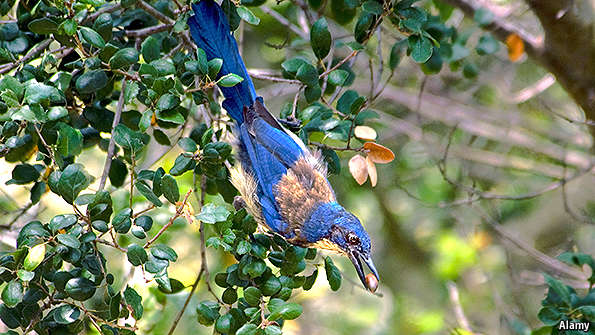
Darwin’s jays
Darwin’s finches are an example of adaptive radiation, in which a single species splits into several that are able to occupy different ecological niches. Biologists have, however, long debated whether niche-specialisation is by itself enough to promote such radiation. Many think the incipient species need to be cut off from one another geographically as well…
-
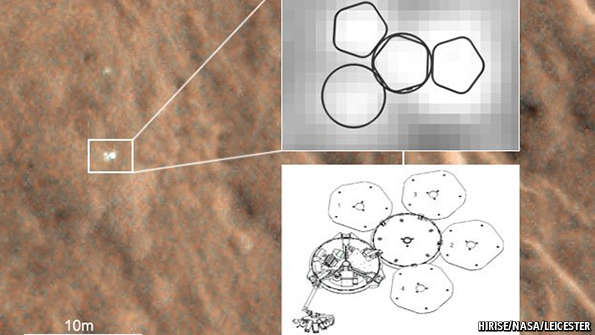
Stick the landing
The minuscule white blob at left in the image above is Beagle 2, Britain’s first (and so far only) Mars probe, which vanished after entering the Martian atmosphere on Christmas Day in 2003. Ever since, scientists have been poring over images taken from other orbiting probes, trying to find out what happened to their robot.
-
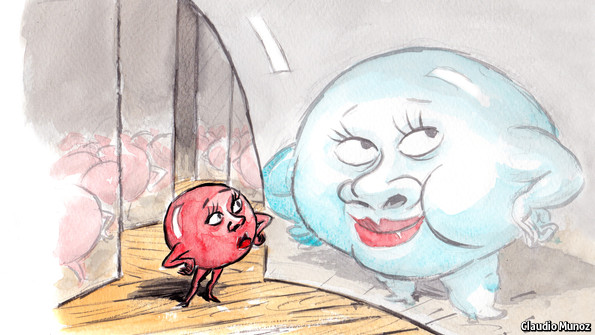
Come out, come out, wherever you are!
The coming year will be crunch time for humanity’s understanding of the universe
-

Genetically modified crops: Field research
The biggest study so far finds that GM crops have large, widespread benefits