

Scientific American
-
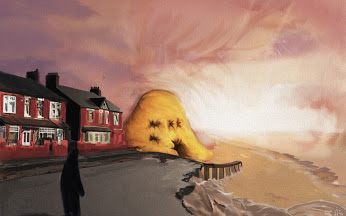
Damage to Pea-Size Gland May Cause PTSD-Like Symptoms
Soldiers’ with traumatic brain injury might suffer from undiagnosed but treatable hormonal disorders
-
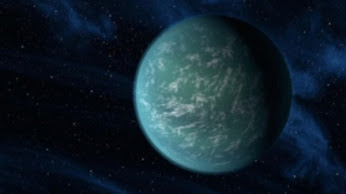
Maybe Life in the Cosmos Is Rare After All
The conclusion that the universe is teeming with biology is based on an unproved assumption
-
What a Long-Ago Epidemic Teaches Us about Sleep
A form of encephalitis that caused both wakefulness and profound somnolence reveals much about our inner clocks
-
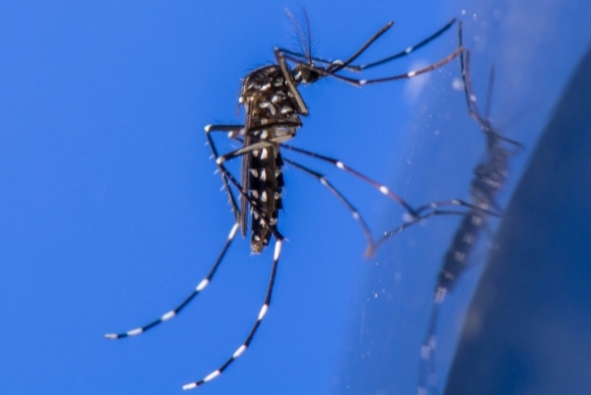
What Would It Take to Prove the Zika–Microcephaly Link
Public health officials are not yet ready to say the connection is causal
-

Gone in 2015: Commemorating Ten Outstanding Women in Science
These notable researchers who passed away during the year just ending made key contributions to ecology, planetary science, medicine, chemical engineering, and more.
-
Super Spiral Galaxies Amaze Astronomers
A new breed of giants raises questions about how the biggest galaxies arise
-
Genio matemático resuelve el acertijo de un maestro
Terence Tao, ganador de la Medalla Fields, resuelve el problema de la discrepancia de Erdös.
-
A Red Flag for a Neurodegenerative Disease That May Be Transmissible
Animal experiments show how a just-discovered prion triggers a rare Parkinson’s-like disease
-
Dali’s reinterpretation of Rembrandt’s Self-Portrait
Some of the ways in which Dali made old art new, while preserving the original image in his reinterpretation.