

Nature News
-
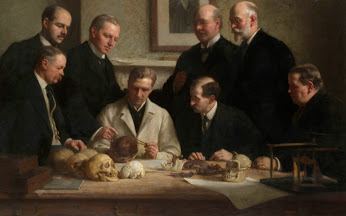
How China is rewriting the book on human origins
Fossil finds in China are challenging ideas about the evolution of modern humans and our closest relatives.
-
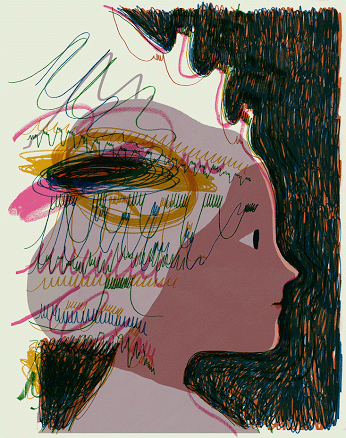
Strange planet has triple sunsets and a super-long year
World in three-star system also experiences unusual seasons.
-
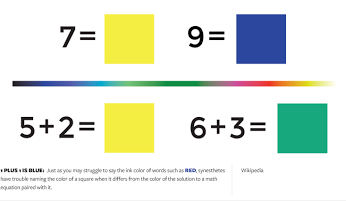
The visualizations transforming biology
Inventive graphic design and abstract models are helping researchers to make sense of a glut of data.
-
Bird wings trapped in amber are a fossil first from the age of dinosaurs
Preserved feathers and tissue provide a picture of hatchlings from the Cretaceous.
-
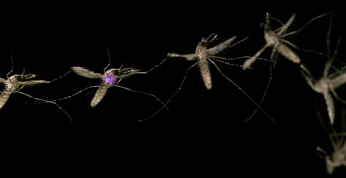
Quantum computer makes first high-energy physics simulation
The technique would help address problems that classical computers can’t handle.
-
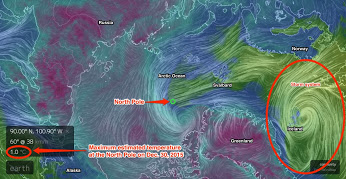
LIGO detects whispers of another black-hole merger
After historic first discovery last September, twin observatories detected gravitational waves again on Boxing Day.
-
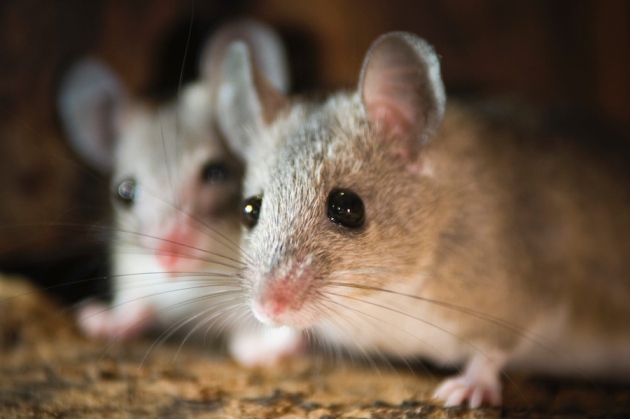
First rodent found with a human-like menstrual cycle
The spiny mouse could one day aid studies of women’s reproductive problems.
-
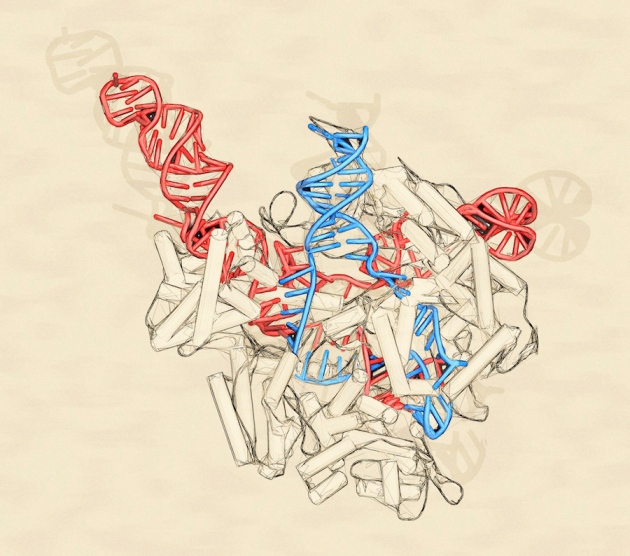
CRISPR gene-editing system unleashed on RNA
Researchers who discovered a molecular “scissors” for snipping genes have now developed a similar approach for targeting and cutting RNA. The new cutting tool should help researchers better understand RNA’s role in cells and diseases, and some believe it could one day be useful in treatments for illnesses from Huntington’s to heart disease.
-
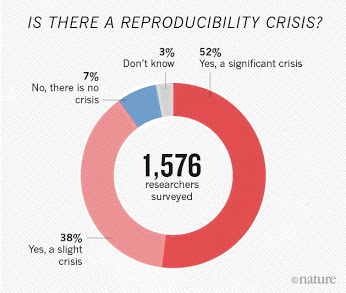
1,500 scientists lift the lid on reproducibility
More than 70% of researchers have tried and failed to reproduce another scientist’s experiments, and more than half have failed to reproduce their own experiments. Those are some of the telling figures that emerged from Nature‘s survey of 1,576 researchers who took a brief online questionnaire on reproducibility in research.