

Science in the media
-
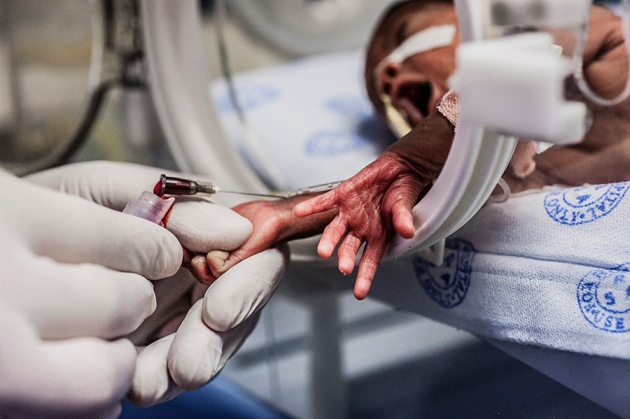
Fast genetic sequencing saves newborn lives
Infants with mysterious conditions stand to benefit — but technique raises ethical questions.
-
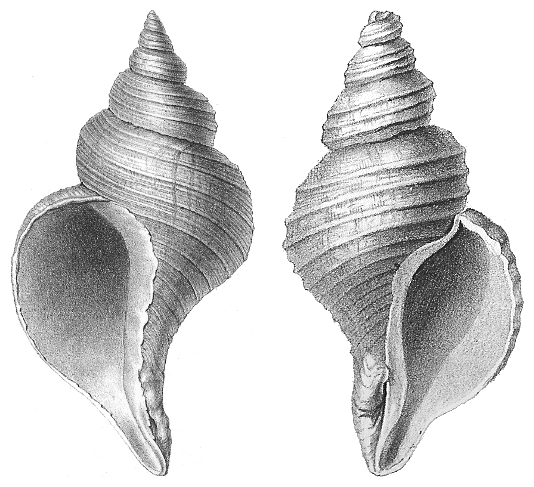
Bizia, ezker ala eskuin, zerbaitengatik?
Beste hipotesi batzuek, berriz, argudiatzen dute badaudela molekula ezkerren eta eskuinen kantitatean desoreka eragin dezaketen fenomeno fisikoak, eta, beharbada, horiek izan zirela jatorrizko zopako asimetriaren eragileak. Balizko eragile horietako bat elektroi ezkerrak dira, eta hipotesi hori da Nebraskako Unibertsitateko fisikari batzuek frogatu dutena. Hamahiru urteko ikerketa-lana hartu die esperimentuak, eta Physical Review Letters aldizkarian argitaratu…
-

The Odds, Continually Updated
Statistics may not sound like the most heroic of pursuits. But if not for statisticians, a Long Island fisherman might have died in the Atlantic Ocean after falling off his boat early one morning last summer.
-
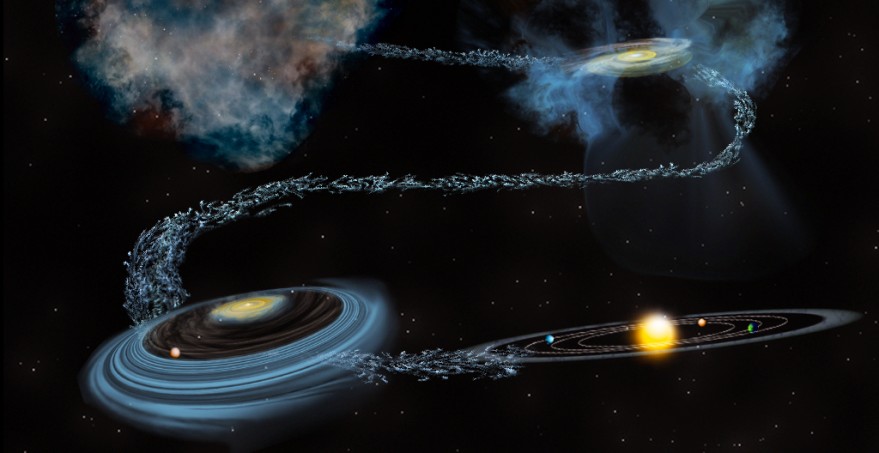
El agua de nuestro Sistema Solar es más antigua que el Sol
Si uno se para a pensarlo, da hasta un poco de vértigo. El agua presente en nuestro Sistema Solar (no solo en la Tierra sino en los anillos de Saturno, en las lunas de Júpiter o la que corrió algún día por Marte) procede de algún lugar del medio interestelar, a muchos millones de años…
-

Sahara uste baino bi bider zaharragoa da
Onartua eta zabaldua dago Sahara garai batean oihana izan zela eta momentu batean lehortu egin zela, egun den basamortua bihurtuz. Aldaketa hori 2-3 milioi urte atzera, Kuaternarioan kokatu izan dute geologoek. Garai hartan hasi ziren Ipar Hemisferoko glaziazioak, Sahara berde mantentzen zuten montzoien dinamika aldatu zuen eta horrek eragin zuen idortze prozesua. Ondoren agertu diren…
-
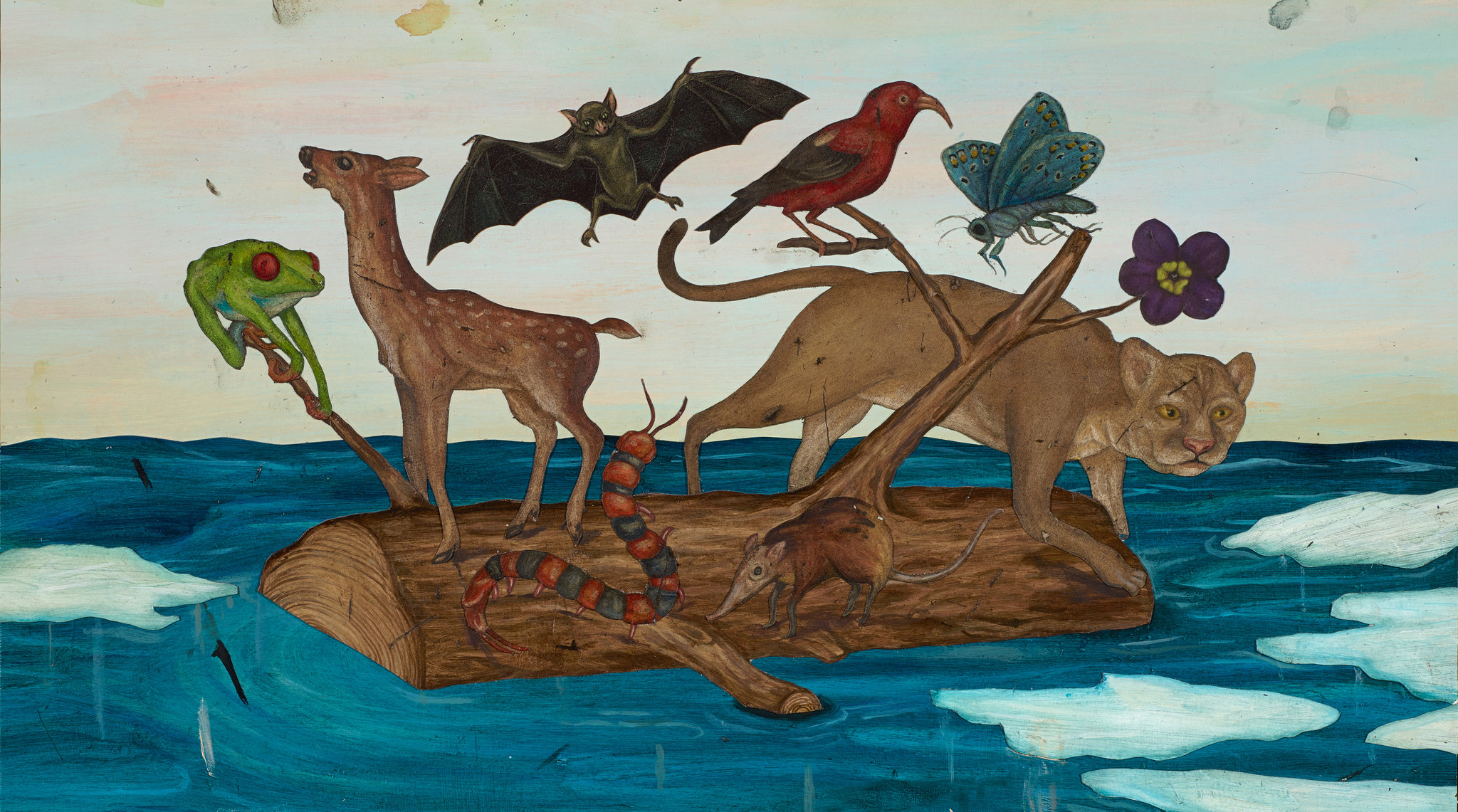
Building an Ark for the Anthropocene
We are barreling into the Anthropocene, the sixth mass extinction in the history of the planet. A recent study published in the journal Science concluded that the world’s species are disappearing as much as 1,000 times faster than the rate at which species naturally go extinct. It’s a one-two punch — on top of the…
-
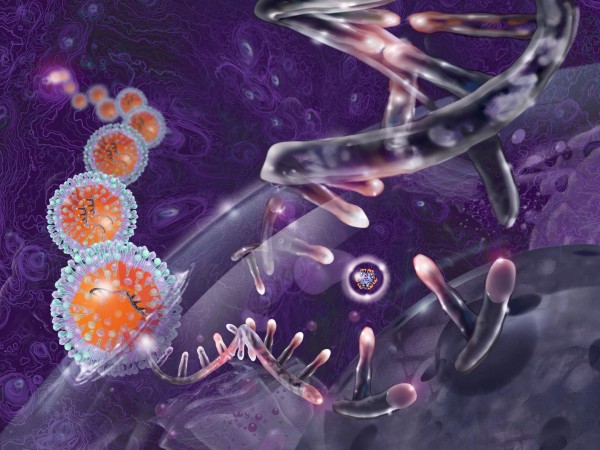
Gene therapy helps weak mice grow strong
A virus that shuttles a therapeutic gene into cells has strengthened the muscles, improved the motor skills, and lengthened the lifespan of mice afflicted with two neuromuscular diseases. The approach could one day help people with a range of similar disorders, from muscular dystrophy to amyotrophic lateral sclerosis, or ALS.
-

Expediente sacarina: ¿de verdad predispone a la obesidad y a la diabetes?
El consumo de edulcorantes artificiales en alimentos ‘light’ está produciendo un efecto contrario al buscado y provocando más obesidad, según los autores de un polémico estudio. Algunos científicos creen que las conclusiones son erróneas y los datos, sesgados y alarmistas.
-
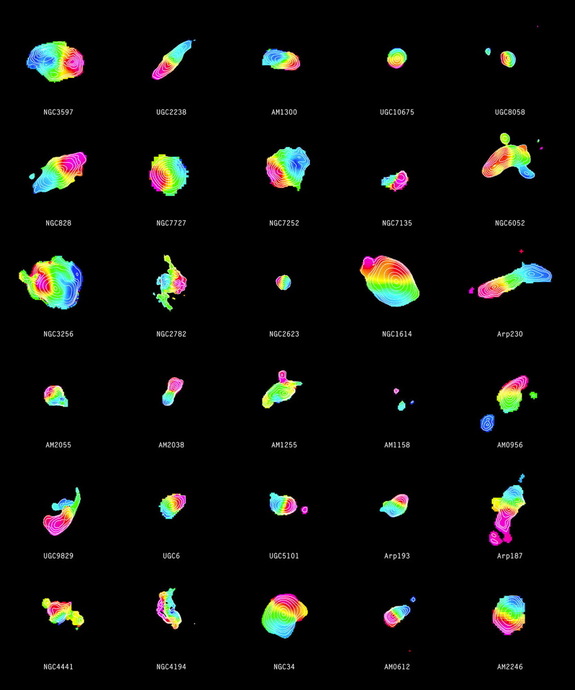
Some Galaxies Like Our Milky Way are Born in Colossal Crashes
The history of the Milky Way has a new wrinkle. Scientists used radio telescopes like the Atacama Large Millimeter/submillimeter Array — a vast array of receivers in Chile — used to probe galaxies within 40 million to 600 million light-years from Earth. After observing dozens of merging galaxies, astrophysics found that many galactic collisions will…