

Science in the media
-
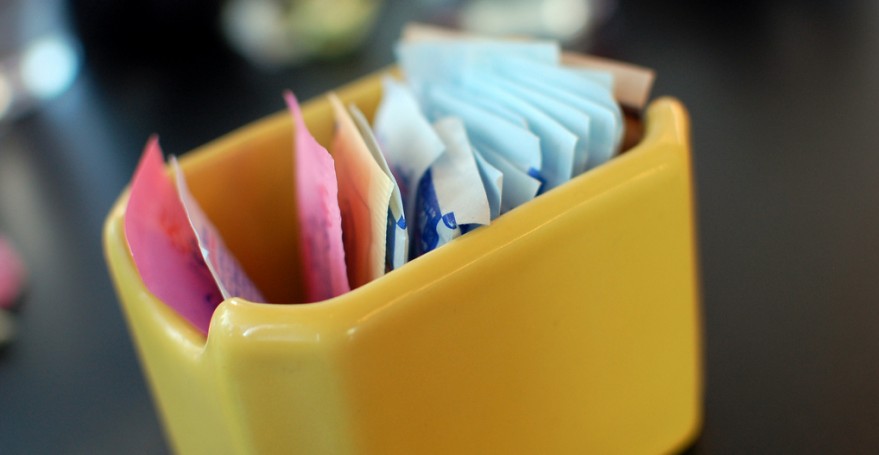
La anguila eléctrica controla los movimientos de sus presas a distancia
Un estudio demuestra que las descargas de estos animales bloquean las neuronas motoras de sus presas, de modo que facilitan la captura.
-
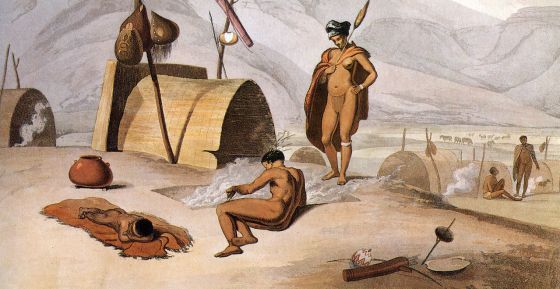
Retorno a la madre África
El mayor estudio de la variedad genómica subsahariana ilumina los orígenes y la compleja historia de mestizaje de la humanidad moderna
-
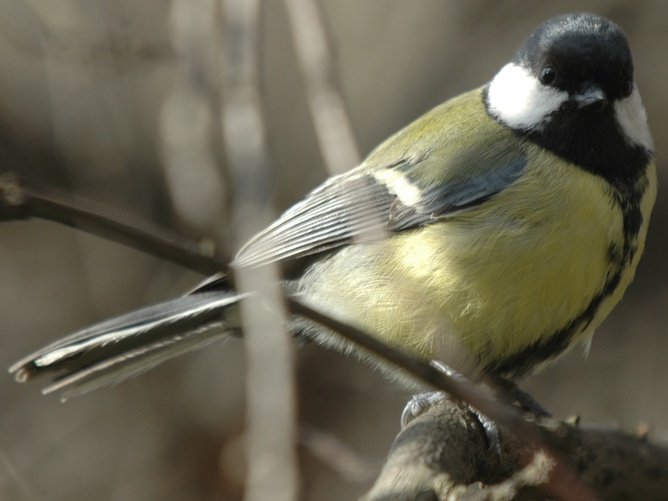
Milk bottle-raiding birds pass on thieving ways to their flock
Great tits are opportunistic copycats. Entire populations can be found performing the same arbitrary behaviour simply because birds copy one another, following a fashion. And it’s this behaviour, reported in a paper published in Nature, that explains the great milk bottle raids that baffled milk drinkers in Britain almost a century ago.
-
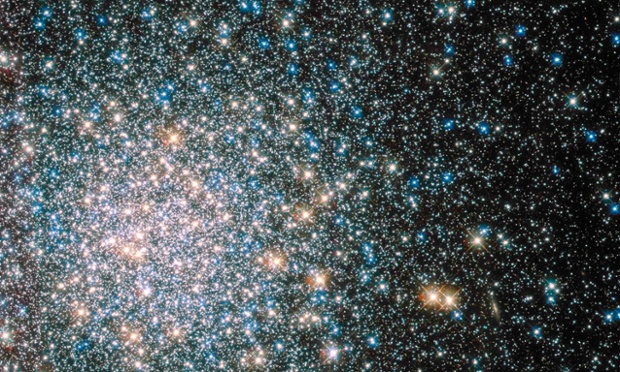
Astronomers solve mystery of the universe’s missing stars
For more than a decade scientists have been at a loss to explain why there are fewer stars than they predicted
-
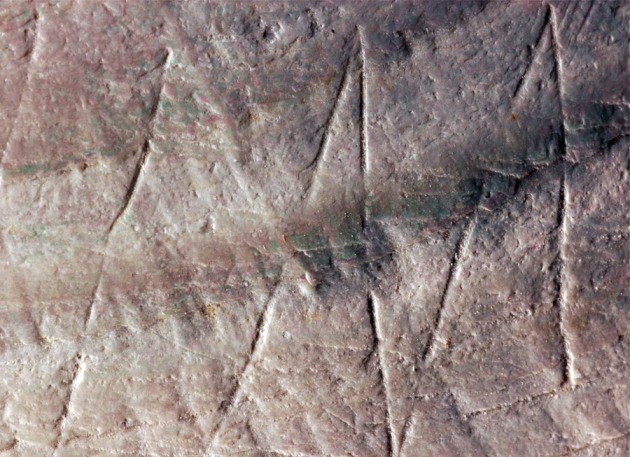
Homo erectus made world’s oldest doodle 500,000 years ago
Shell markings are the oldest abstract signs ever discovered.
-

Haustura hidraulikoaren bidezko gasaren aurreikuspenak, ez hain onak
Haustura hidraulikoa erabilita erauztea espero zuten gas-kantitatea berez ez dela hain handia erakutsi du Nature aldizkariak egindako azterketa batek. Hain zuzen, Estatu Batuetako energiari buruzko informazio-sailaren (EIA) aurreikuspenak eta Texasko Unibertsitearenak alderatu ditu Naturek, eta ondorioztatu du EIAren aurreikuspenak puztuta daudela.
-
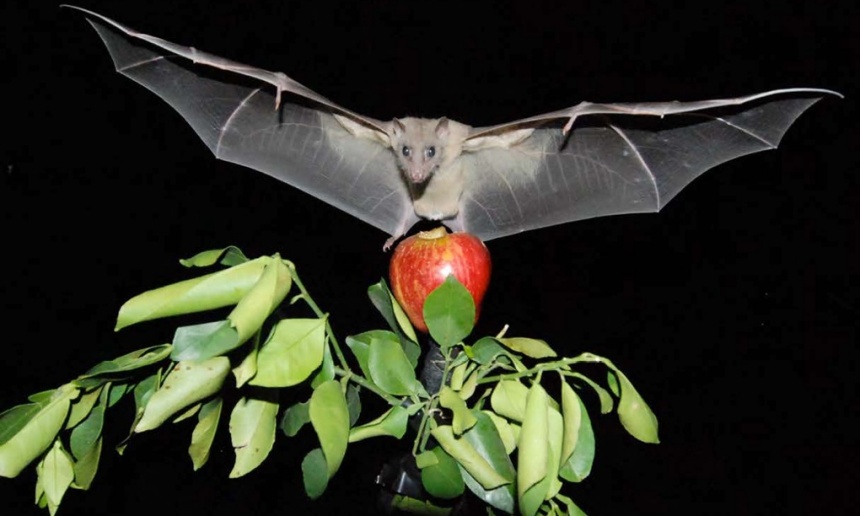
3D compass cells found in the bat brain
Head direction cells in the bat hippocampus encode three-dimensional representations of space
-
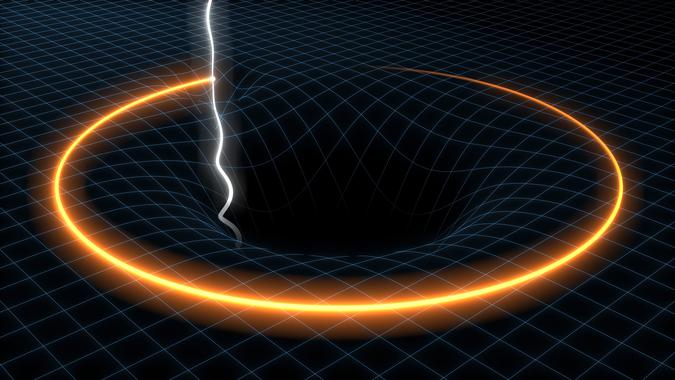
Púlsares con agujeros negros pueden guardar el ‘santo grial’ de la gravedad
La luz intermitente que emiten los púlsares, los relojes más precisos del universo, sirve a los científicos para verificar la teoría de la relatividad de Einstein, sobre todo cuando estos objetos se emparejan con otra estrella de neutrones o una enana blanca e interfiere su gravedad. Pero esta teoría se podría analizar mucho mejor si…
-
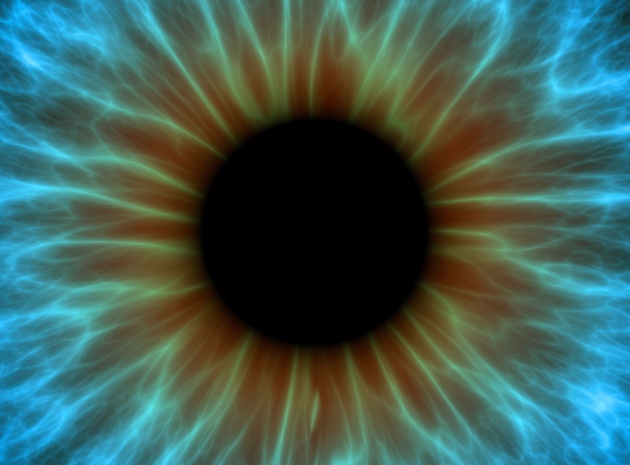
Photons double up to make the invisible visible
People have infrared vision — and it could be the result of pairs of photons combining their energies to appear as one ‘visible’ photon.