

Science in the media
-
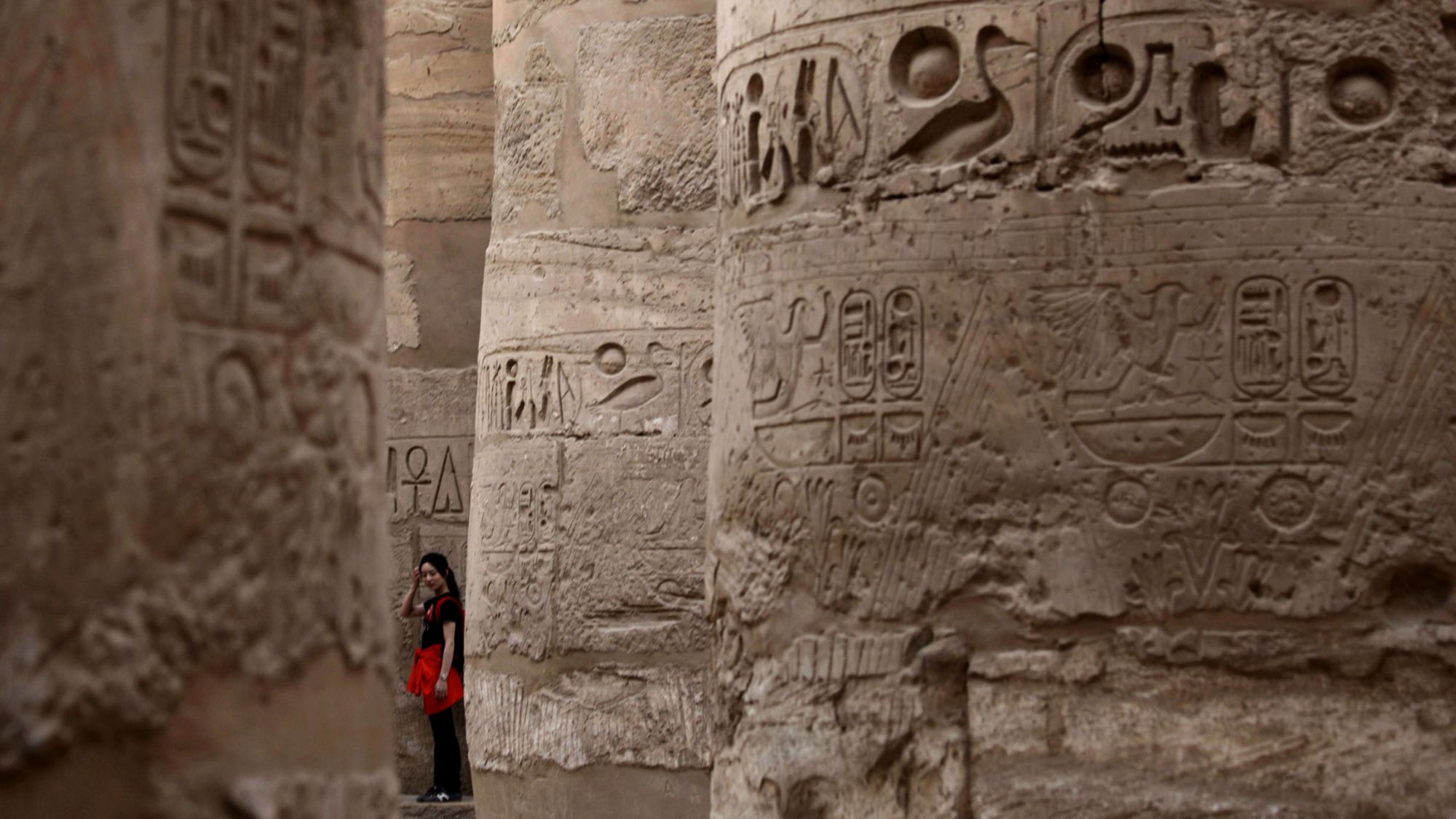
A massive data dive proves that languages and genes evolve together
As human populations disperse, the separation leads to changes both in genes and in language. So if we look at human DNA and languages over time, we should find that they differ along similar geographic lines.
-
A Discredited Vaccine Study’s Continuing Impact on Public Health
Some parents feel certain that vaccines can lead to autism, if only because there have been instances when a child got a shot and then became autistic. Post hoc, ergo propter hoc. Making that connection between the two events, most health experts say, is as fallacious in the world of medicine as it is in…
-

Antibiotikoekiko erresistentea den tuberkulosiaren bilakaera historikoa
Tuberkulosia eragiten duen bakterioaren aldaera gogorrenetako baten bilakaera historikoa aztertu du nazioarteko ikerketa-talde batek, haien DNAtik abiatuta. Ikusi dute bakterio horien populazioaren bilakaerak bat egiten duela gizateriaren historian izan diren hainbat gertakari garrantzitsurekin.
-
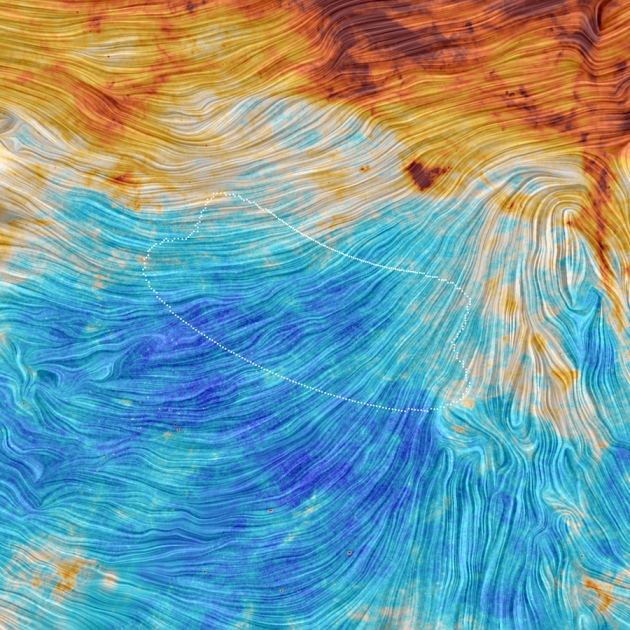
Gravitational waves discovery now officially dead
A team of astronomers that last year reported evidence for gravitational waves from the early Universe has now withdrawn the claim. A joint analysis of data recorded by the team’s South Pole telescope and by the European spacecraft Planck has revealed that the signal can be entirely attributed to dust in the Milky Way rather…
-

World’s cities experiencing more heatwaves, study shows
Number of extremely hot days a year has increased in hundreds of cities since the 1970s years, with frequencies peaking in the last five years
-

Electrodos para frenar el cáncer
Una nueva terapia emplea corrientes eléctricas para impedir la división de las células tumorales. Los resultados preliminares indican que podría ser un buen complemento de la quimio y radioterapia. En pacientes con uno de los tumores más agresivos, el glioblastoma, se ha mejorado el tiempo de supervivencia.
-
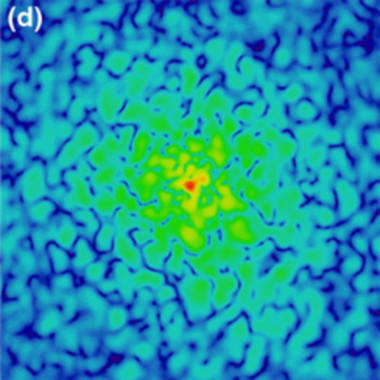
Solitones y materia oscura pueden estar detrás de la formación de quásares
Científicos taiwaneses, en colaboración con un investigador Ikerbasque de la Universidad del País Vasco, han llevado a cabo simulaciones que muestran como los solitones, ondas solitarias y masivas, podrían explicar el origen de los quásares. Estos son los objetos más luminosos del universo, hasta cien veces más brillantes que nuestra galaxia.
-
Elektrizitatea sendagai Antzinaroan
Grezia, K.a. VI. mendea. Miletoko Talesek ikusi zuen substantzia erretxinatsu horixka batek, zapi batez edo animalia larruz igurtzita, objektu arinak erakartzeko propietate bitxia lortzen zuela. Substantzia hura anbara zen, grekoz elektron. Antzinako greziarrek ez zeukaten fenomenoaren azalpenik, baina horrek ez du esan nahi hari probetxurik ateratzeko gai ez zirenik; badirudi zenbait tokitan anbara erabiltzen zutela…
-

Science for the people!
In the 1970s, radical scientists thought they could change the world – if they could change science first.