

Science in the media
-
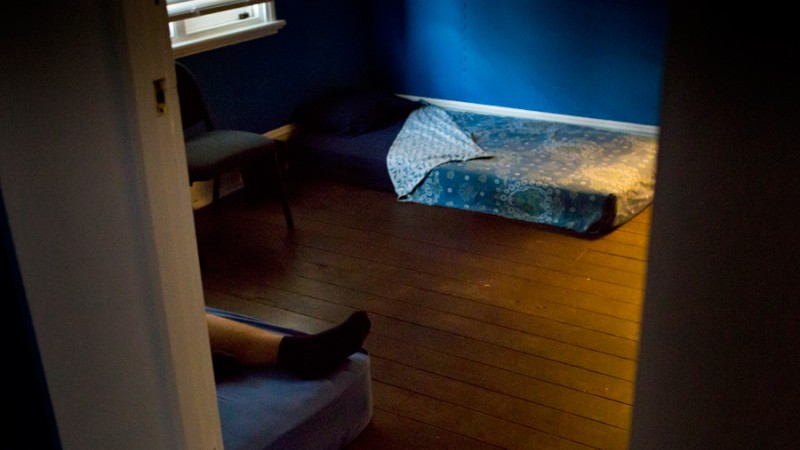
Blocking the high: one man’s quixotic quest to cure addiction
If you could take the high out of drugs, what would be the point in taking them? Meet the unorthodox doctor who thinks he can block some of the world’s most addictive pills.
-
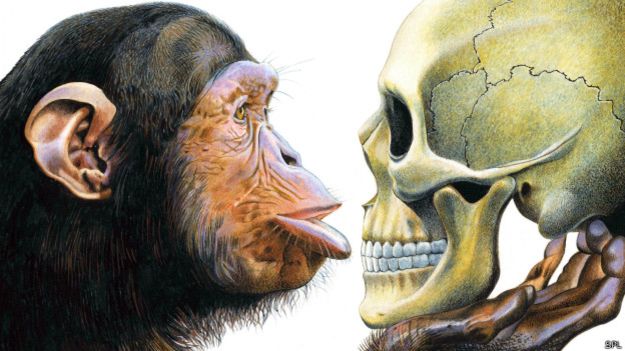
15 cambios que nos hicieron humanos
Los humanos somos probablemente la especie más rara que jamás ha existido. Tenemos cerebros extravagantemente grandes que nos permiten construir complicados artefactos, entender conceptos abstractos y comunicarnos usando el lenguaje. También somos casi lampiños, tenemos mandíbulas débiles y nos cuesta dar a luz. ¿Cómo evolucionó una criatura tan estrafalaria?
-
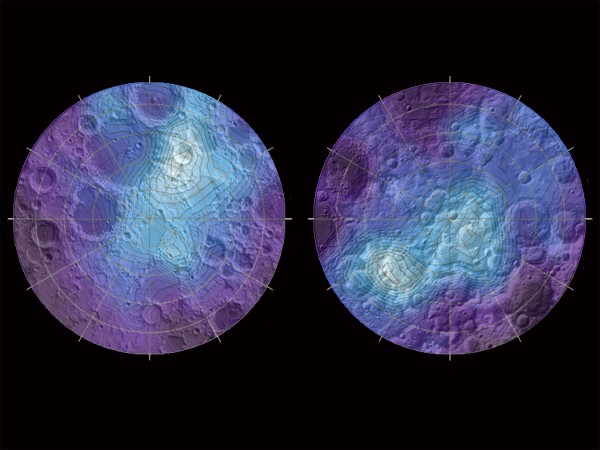
Lopsided ice on the moon points to past shift in poles
What little ice remains on Mercury and Mars is mostly confined to the planets’ poles, as one would expect, because the sun shines the least in those regions. Not so on the moon. Much of the moon’s ice, which lurks beneath the surface, is found in an area 5.5° away from the north pole and…
-
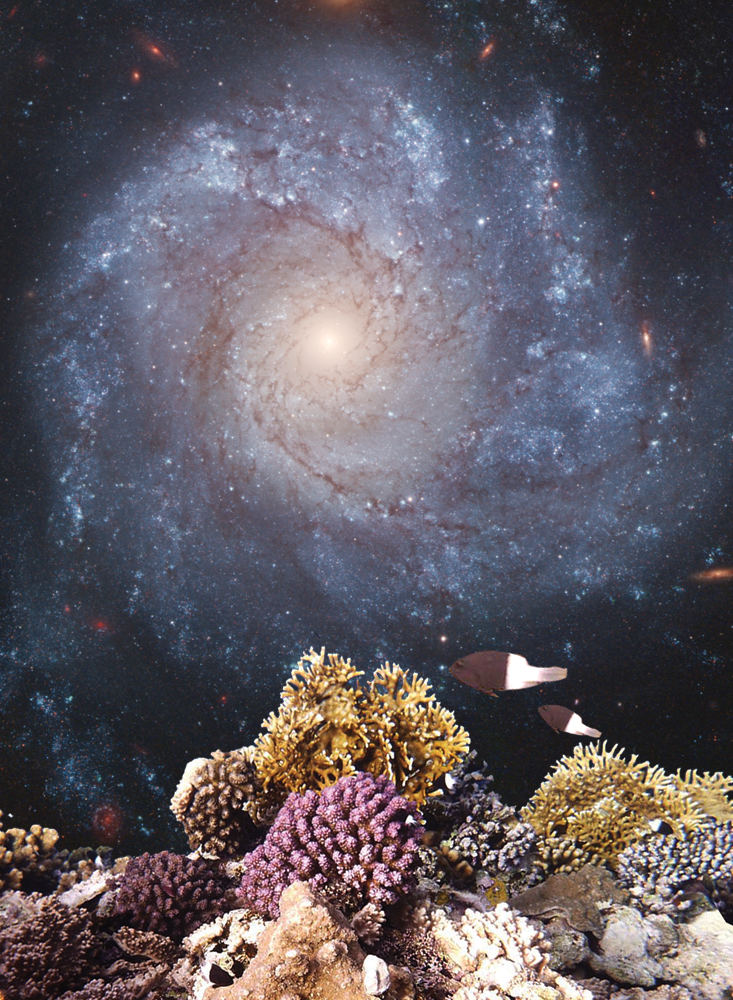
The Secret History of the Supernova at the Bottom of the Sea
How a star explosion may have shaped life on Earth.
-
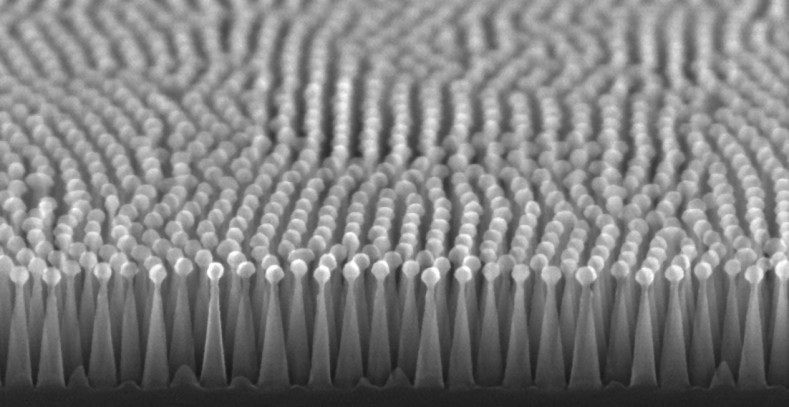
Así olvidamos: el cerebro suprime los recuerdos que compiten entre sí
Un equipo de investigadores descubre el proceso por el cual el cerebro suprime activamente un recuerdo cuando interfiere con otro y lo considera irrelevante. El mecanismo explica algunas de nuestras lagunas diarias y qué es lo que terminamos por recordar de un evento.
-
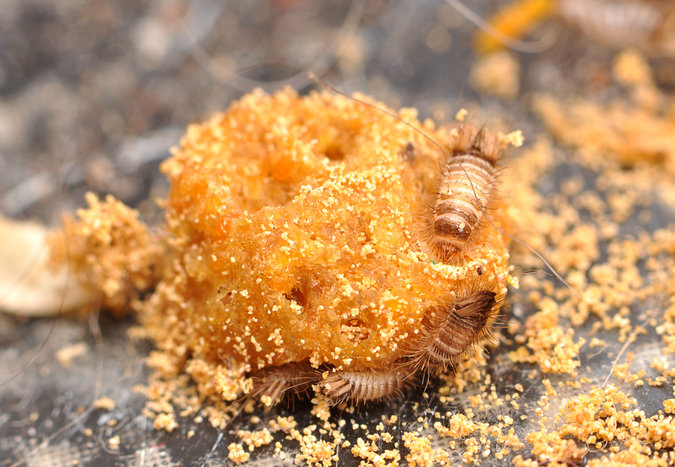
The Next Frontier: The Great Indoors
In 1962, the ecologist Robert Whitaker set out to categorize the different realms of life on Earth. Some were deserts, others tundra, still others tropical forests. He coined a word for these inhabited environments, one that scientists have used ever since: biomes. The planet’s biomes emerged over hundreds of millions of years. Coastal wetlands sprang…
-
Beetlemania
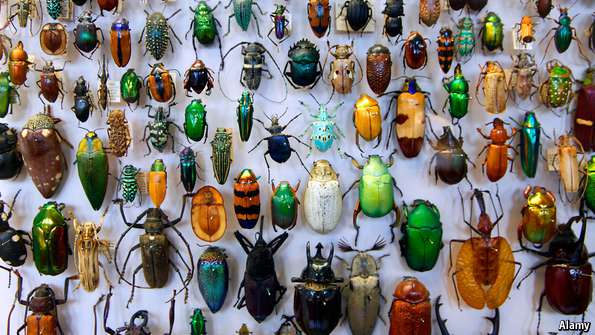
“AN INORDINATE fondness for beetles.” That was the reply of J.B.S. Haldane, a British scientific polymath of the early 20th century, when he was asked if there were anything that could be concluded about God from the study of natural history. There are 380,000 catalogued species of beetle, making them the most species-rich group of…
-
UK mapped out by genetic ancestry
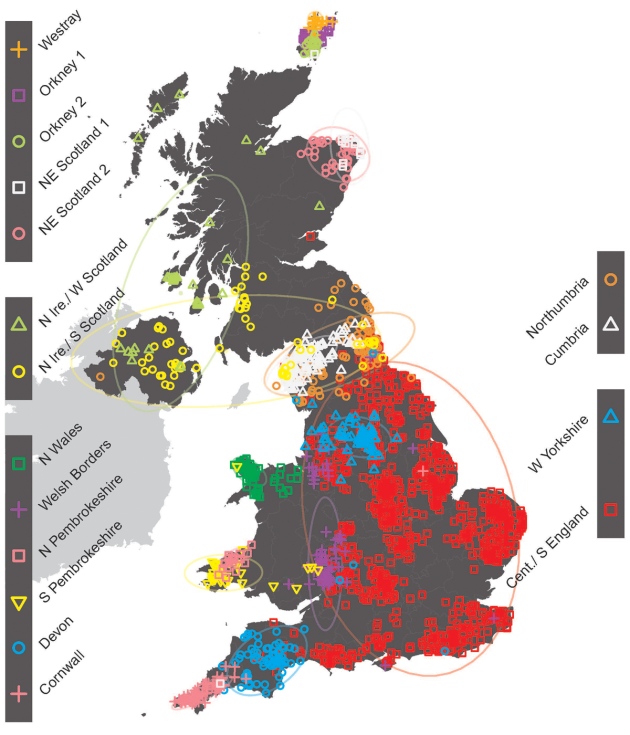
Researchers have found genetic signatures among Britons that betray their historical roots in particular locales of the United Kingdom, leading to the finest-scale map of genetic variation yet created. The analysis — which shows a snapshot of clusters of genetic variation in the late 1800s, when people were less likely to migrate far from their…
-
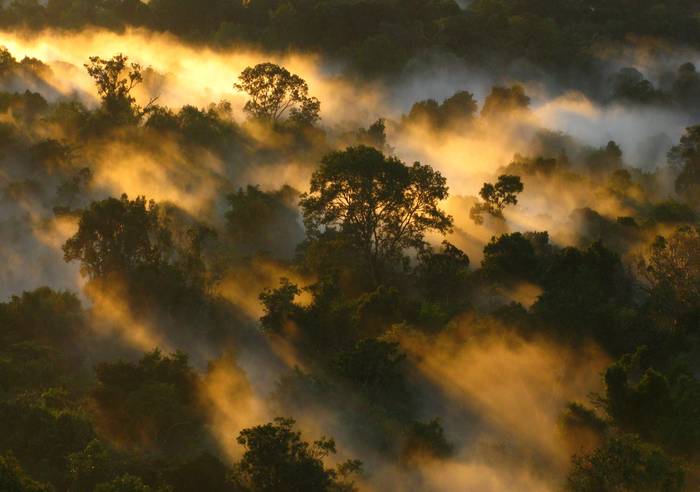
Amazoniak gero eta karbono gutxiago metatzen du
Amazoniako oihanak gero eta karbono gutxiago metatzen du. Azken hiru hamarkadetan Amazoniako biomasa-dinamikaren eboluzioa aztertu du nazioarteko ikertzaile-talde zabal batek, eta ondorioztatu dute azken hamarkadan metatu den biomasa aurreko hamarkadan baino heren bat gutxiago izan dela. Naturen argitaratu dituzte emaitzak.