

Science in the media
-
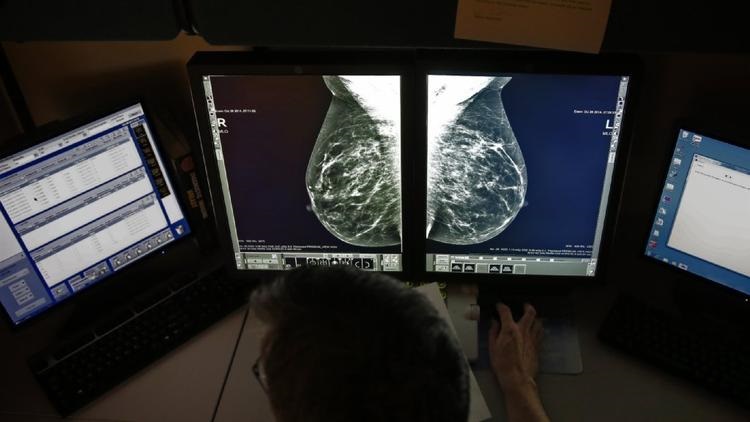
To find breast cancer, more mammograms aren’t better, expert panel says
“Women ages 40 to 49 must weigh a very important but infrequent benefit (small reduction in breast cancer deaths) against a group of meaningful and much more common harms,” according to the report. These harms include “overdiagnosis and overtreatment; unnecessary and sometimes invasive followup testing and psychological harms associated with false-positive tests; and false reassurance…
-
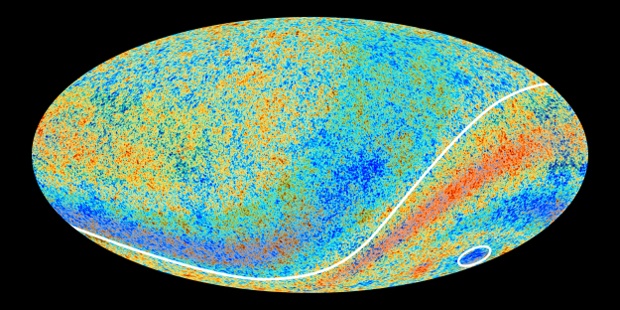
Astronomers discover largest known structure in the universe is … a big hole
Scientists searching for an explanation for an unusually cool area of sky instead discovered a supervoid: an empty spherical blob 1.8 billion light years across
-
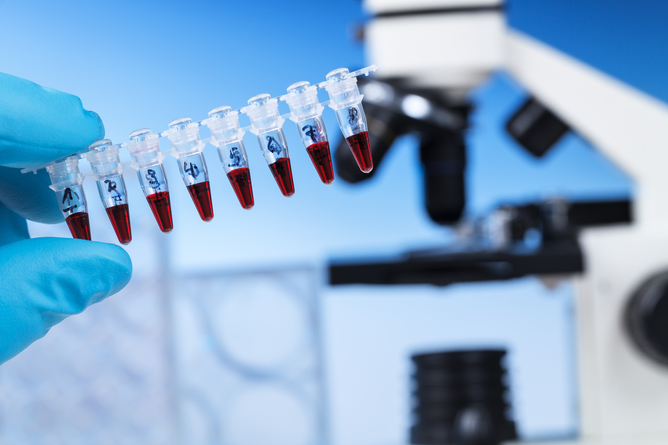
Sex offending may be in the genes but knowing that won’t prevent it
The research, which analysed DNA from 21,566 men convicted of sex offences in Sweden between 1973 and 2009, found that sons and brothers of convicted sex offenders were four to five times more likely to be convicted of sex crimes than men in the general population.
-

Tres opciones para sustituir a una Ley de Moore que se acerca a su fin
Cuando Gordon Moore publicó un articulo en la revista ‘Electronics’ no sabía que con él cambiaría la manera de entender la tecnología. Ahora ha llegado el momento de encontrar una alternativa
-
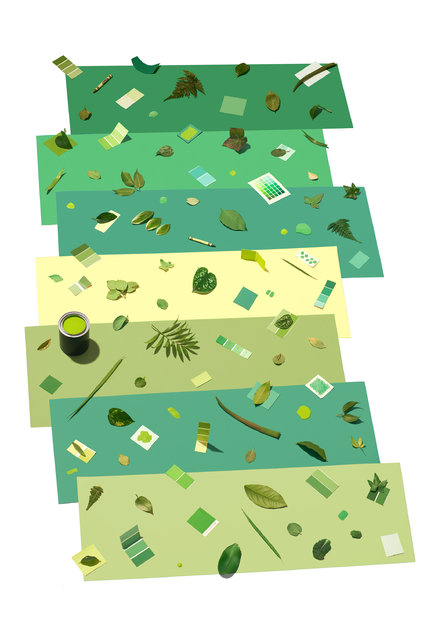
Our Ever Green World
In surprising new research on the evolution of different forms of photosynthesis, scientists have found that the prized oxygen-making variety may be much older than anybody suspected, and that the greening and aerating of Earth could well have begun soon after the earliest living cells appeared.
-
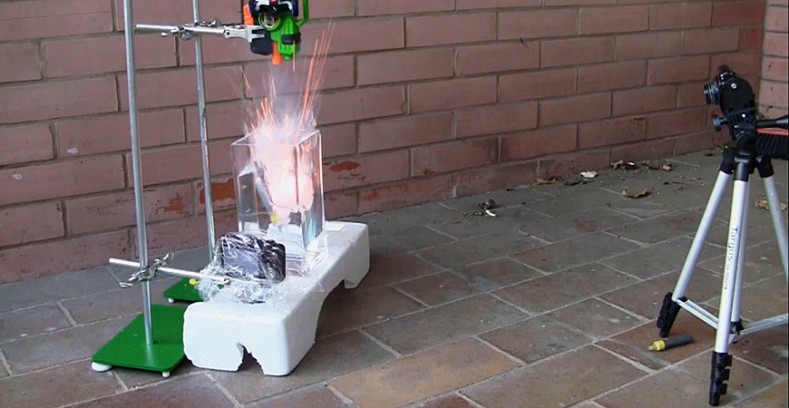
El tiempo da la razón al relojero Harrison
Sus relojes resolvieron el problema de los marinos para conocer la longitud en el siglo XVIII. Sin embargo, su afirmación de que podía construir un cronómetro que retrasara menos de un segundo en 100 días fue ridiculizada. Hasta ahora.
-
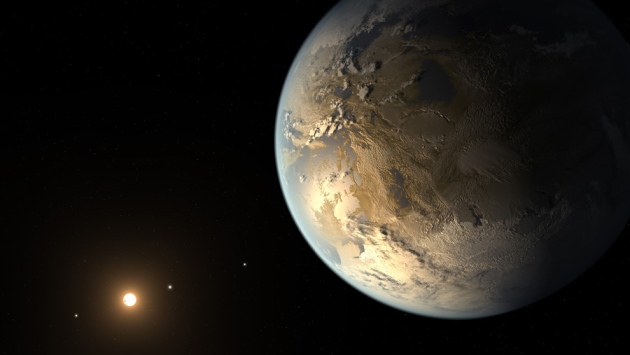
Climate scientists join search for alien Earths
The hunt for life beyond the Solar System is gaining new partners: NASA climatologists. After more than 30 years of studying Earth, a team at the NASA Goddard Institute for Space Studies (GISS) in New York will adapt its global climate model to simulate conditions on potentially habitable exoplanets. The effort is part of a…
-

Las insospechadas desventajas de ser muy inteligente
Si la ignorancia da la felicidad, ¿es la inteligencia sinónimo de tristeza? La opinión general parece decir que sí. A pesar de las ventajas que tiene ser más listo que los demás, la realidad es que poseer un cociente intelectual alto no está relacionado directamente con tomar mejores decisiones, de hecho, muchas veces puede implicar…
-

Resistance to antibiotics found in isolated Amazonian tribe
The find suggests that microbes have long evolved the capability to fight toxins, including antibiotics, and that preventing drug resistance may be harder than scientists thought.