

Science in the media
-
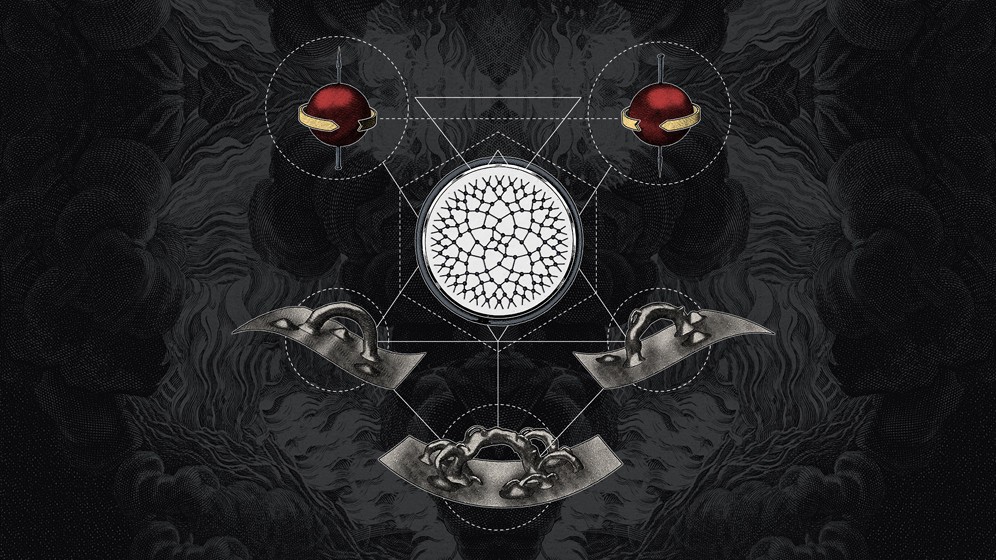
The Quantum Fabric of Space-Time
Brian Swingle was a graduate student studying the physics of matter at the Massachusetts Institute of Technology when he decided to take a few classes in string theory to round out his education — “because, why not?” he recalled — although he initially paid little heed to the concepts he encountered in those classes. But as…
-

Crack addicts hooked on their environment
Around half of drug addicts relapse within a year of going “clean”. Research suggests we’d lower that figure if our crack clinics bore more of a resemblance to a drug den.
-
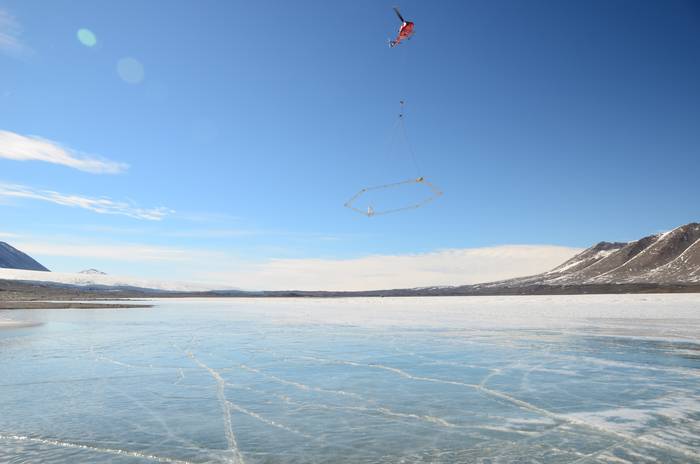
Lurpeko ur gaziak, Antartika idorrean
McMurdoko haran idorretako batean, Taylor bailaran, lurpeko uren bi sistema detektatu dituzte. Izotzik gabeko haranen segida batek osatzen dute McMurdoko sarea, Antartikako Ross itsasoaren ertzean. Glaziarrekin eta aintzira izoztuekin tartekatutako permafrosta da nagusi han, eta batez ere gainazala ikertu da orain arte. Tennessee Unibertsitateko ikertzaile-talde batek gidatutako ikerketak, berriz, lur azpiari behatu dio, eta ikusi…
-

A word in the hand
Sign languages might hint at something universal in the human mind Sign languages might hint at something universal in the human mind
-
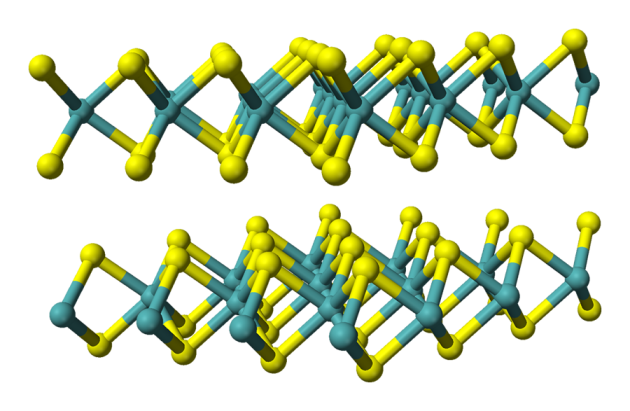
Batches of ultra-thin transistors made from 2D materials
Materials scientists have devised a way to grow single layers of a promising class of 2D semiconductor on silicon wafers that are 10 centimetres across — all the while maintaining the impressive electronic properties seen in smaller samples1. They used the films to make hundreds of transistors, which tests showed worked in 99% of cases.
-
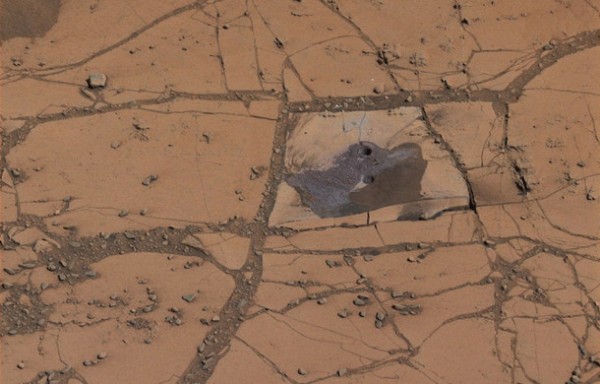
Iron-Rich Rocks Could Hold Signs of Life
A robotic mission’s search for life on Mars may seem worlds away from human scientists wandering around hot springs in Yellowstone National Park. But a study of the Yellowstone hot springs has revealed new clues about how organic materials might get preserved in similar environments on the Red Planet, bettering our chances of finding possible…
-

Los primeros dinosaurios pudieron planear con “alas de murciélago”
Paleontólogos chinos descubren un pequeño dinosaurio con estructuras óseas similares a las de murciélagos y ardillas voladoras. El hallazgo apunta a que los antepasados de los pájaros ensayaron algunas soluciones distintas antes de desarrollar las alas con plumas.
-

Combatting Viruses with RNA-Targeted CRISPR
Scientists reengineer a Cas9 enzyme that naturally targets bacterial RNA to stymie hepatitis C inside human cells.
-
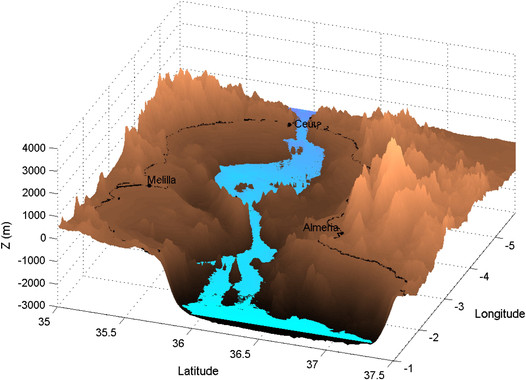
El mar Mediterráneo se volvió a llenar de agua en unos dos años
Tras quedarse aislado del resto de océanos, el mar Mediterráneo volvió a conectarse con el Atlántico hace unos cinco millones de años. Según investigadores de la Universidad de Sevilla, el fenómeno produjo una inundación muy rápida que generó el llenado del mar en unos dos años. Esta simulación, la primera que resuelve la hidrodinámica tridimensional…