

Science in the media
-
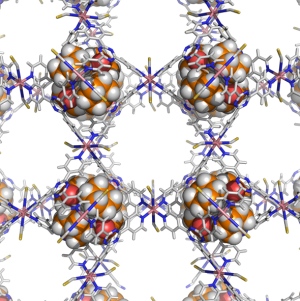
Controversial molecular-analysis tool tries for a comeback
The best molecular-structure data — such as those that revealed the architecture of DNA — are often obtained by analysing how molecules diffract X-rays. But to obtain them, the molecules must first be crystallized in a tidy, repeating lattice. Coaxing a molecule to crystallize can be a time-consuming and frustrating process of trial and error. Fujita’s…
-
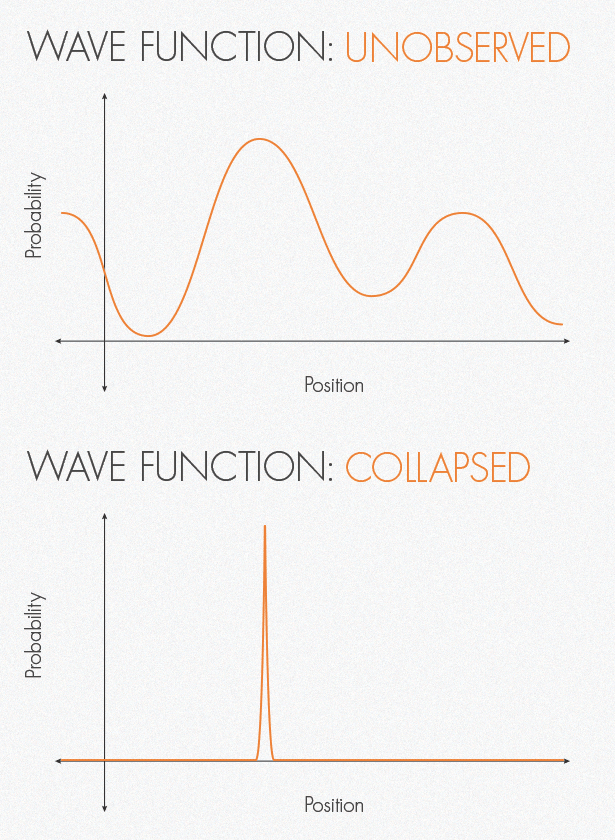
A Private View of Quantum Reality
Quantum theorist Christopher Fuchs explains how to solve the paradoxes of quantum mechanics. His price: physics gets personal.
-
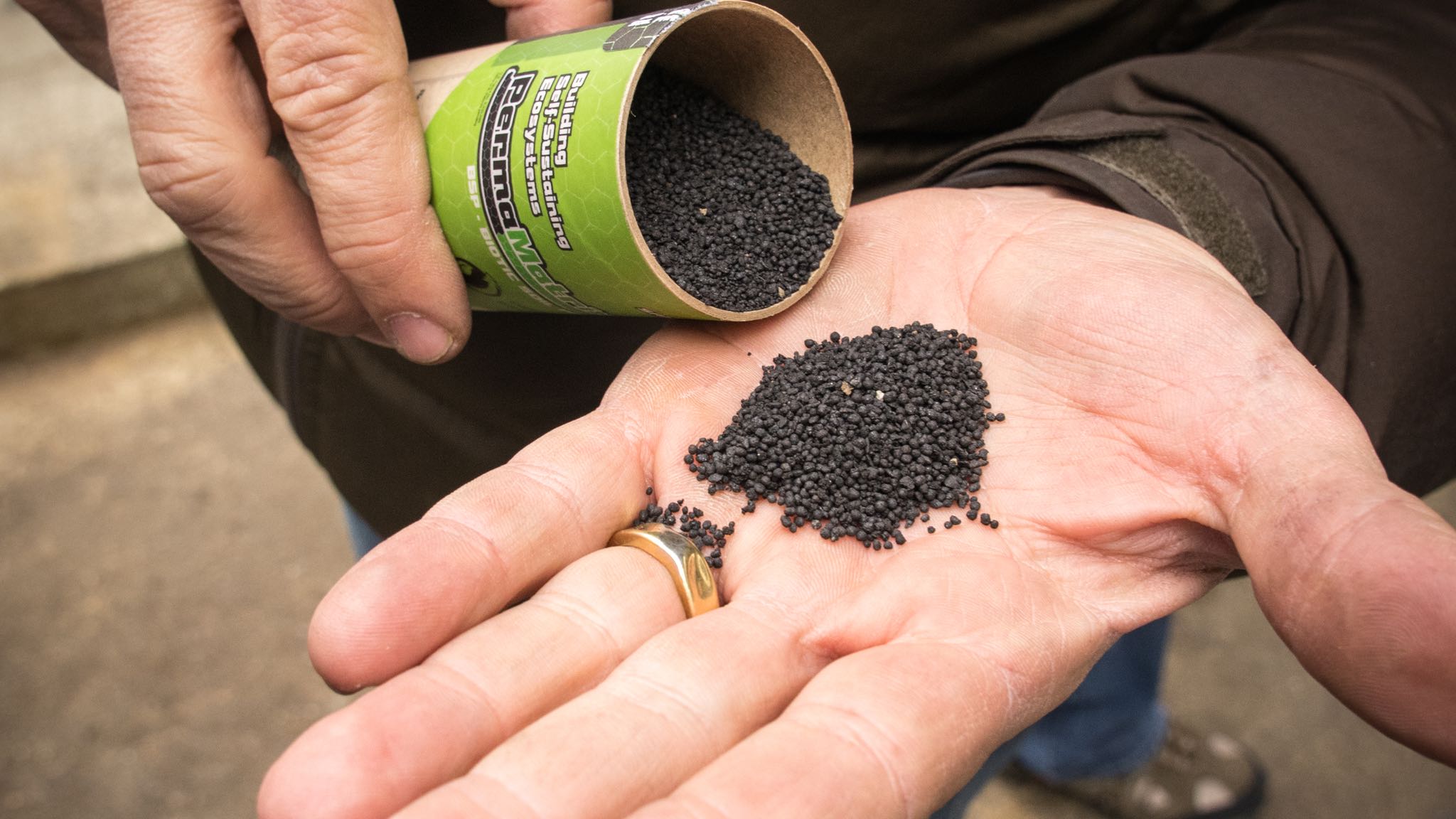
The Coal That’s Good for the Climate
Biochar is a type of charcoal made from plant and animal waste that has been heated intensely in an environment with little or no air, a process known as pyrolysis. Unlike combustion, which releases carbon dioxide, the process allows the organic matter to retain its carbon as it’s transformed into charcoal, preventing the gas from…
-
El hombre que dispara meteoritos
Jens Ormö realiza simulaciones de impacto de meteorito en las instalaciones del Centro de Astrobiología, en Madrid. El disparo de proyectiles a más de 500 m/s sobre diferentes superficies sirve para conocer la historia de nuestro planeta y del Sistema Solar.
-
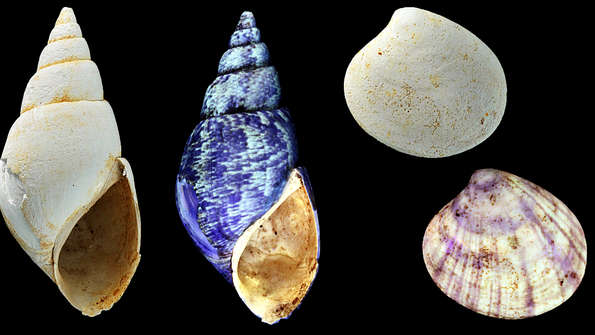
Reviving ancient shells’ colours
The pigment molecules that give living things their dazzling colours are delicate things that degrade over time, which is why the palaeontological specimens in museums often look dull.
-
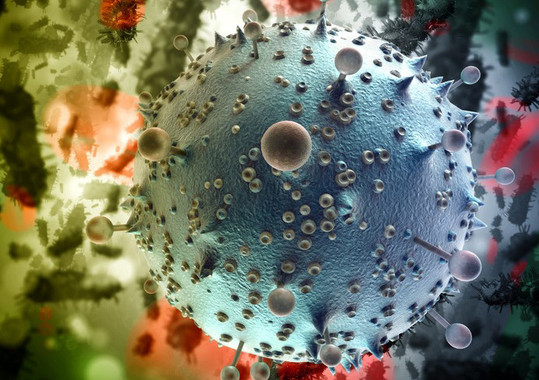
Un solo análisis revela el historial de virus a los que ha estado expuesta una persona
VirScan es una tecnología que permite analizar de forma exhaustiva los anticuerpos virales presentes en la sangre de una persona, para así descubrir a qué virus ha estado expuesta a lo largo de su vida. Los resultados, publicados en Science, arrojan luz sobre el funcionamiento del sistema inmunitario y podrían utilizarse para mejorar el diseño…
-
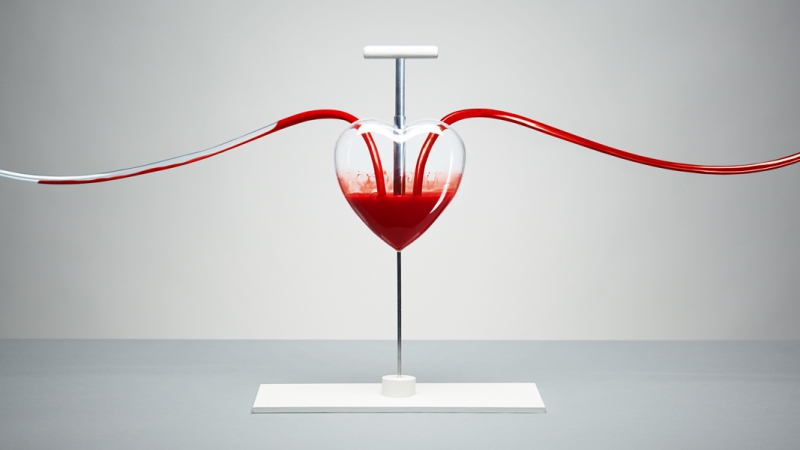
How to mend a broken heart
The need to mend broken hearts has never been greater. But what if we could simply manufacture a new one?
-
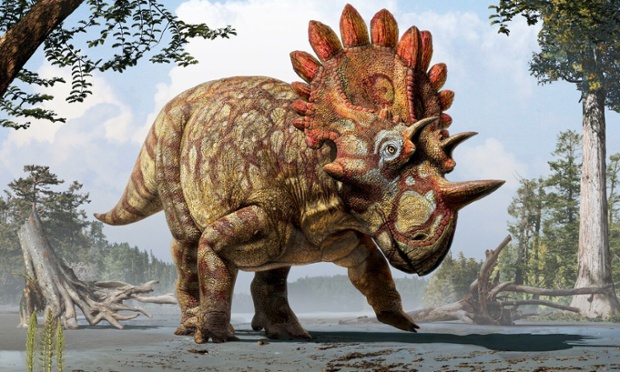
New species of dinosaur, the regaliceratops, discovered in Canada
Nicknamed Hellboy, the dinosaur had short horns over the eyes and a long nose horn, the opposite of the features sported by its close relative triceratops
-
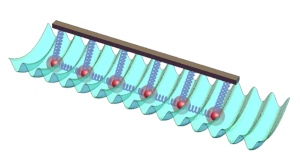
Friction of a single atom measured with light
Suspended ions mimic strange ‘superlubricity’ phenomenon.