

Science in the media
-
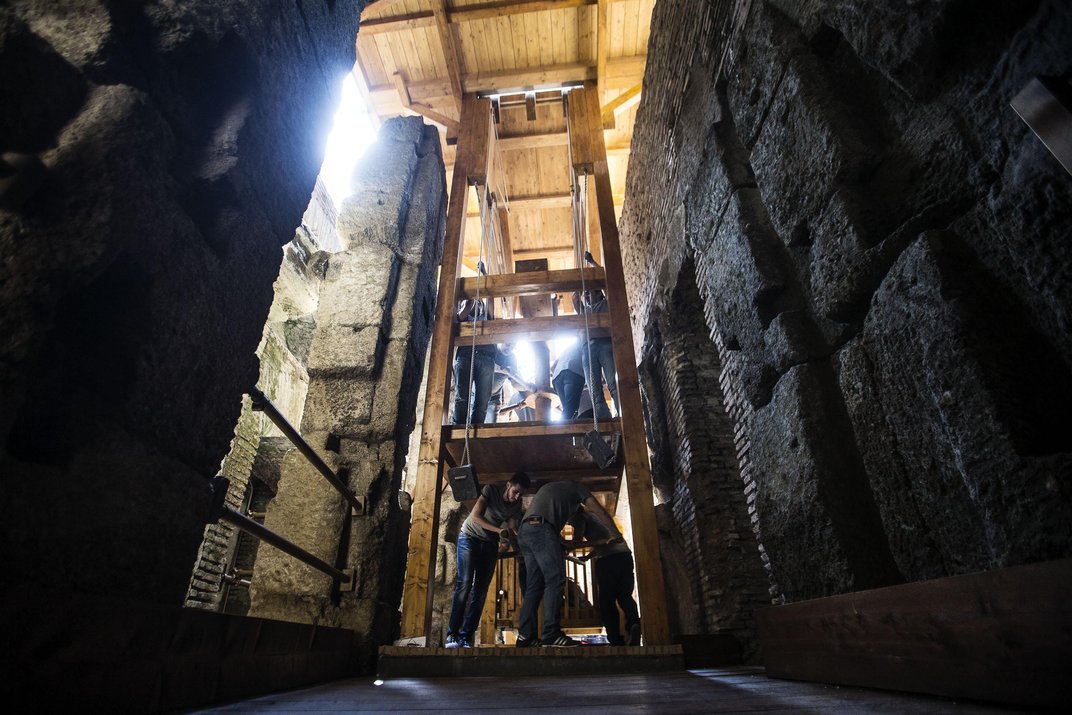
A New Recreation Shows How Ancient Romans Lifted Wild Animals Into the Colosseum
It is the 1st century AD and 50,000 screaming ancient Romans are crammed into the tight seats of the Colosseum, then officially called the “Flavian Amphitheater.” As the din of the rowdy crowd grows louder, the gladiators in the arena brace themselves for what’s about to come. All of sudden, the spectators erupt as wild…
-
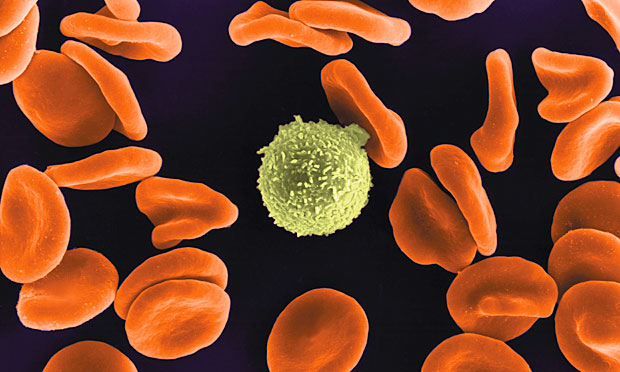
Scientists film death of white blood cell for first time and discover alert system
Australian and US scientists capture on video each stage of death of a human white blood cell, revealing the dying cells apparently try to alert their neighbours
-
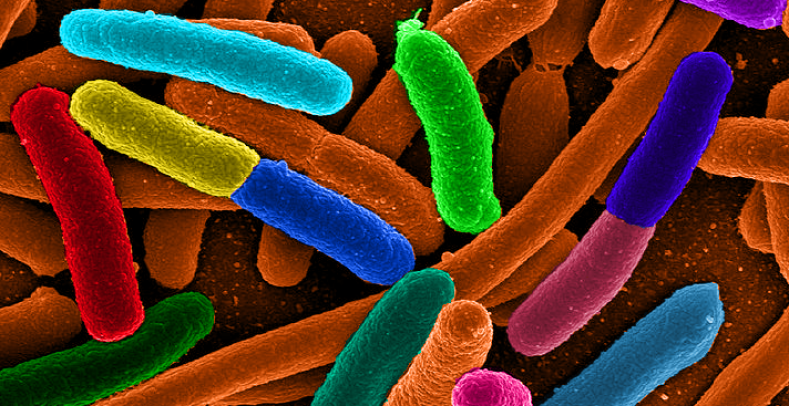
Crean el primer motor basado en la evaporación
Investigadores de la Universidad de Columbia aprovechan la capacidad que tienen las esporas bacterianas de retener humedad para crear un nuevo tipo de motor. El sistema podría tener aplicación en decenas de dispositivos.
-
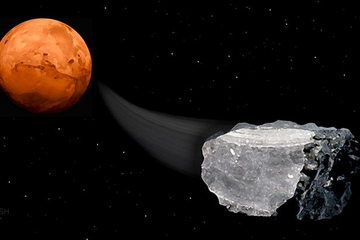
Methane in Mars Meteorites Suggests Possibility of Life
Methane, a potential sign of primitive life, has been found in meteorites from Mars, adding weight to the idea that life could live off methane on the Red Planet, researchers say.
-
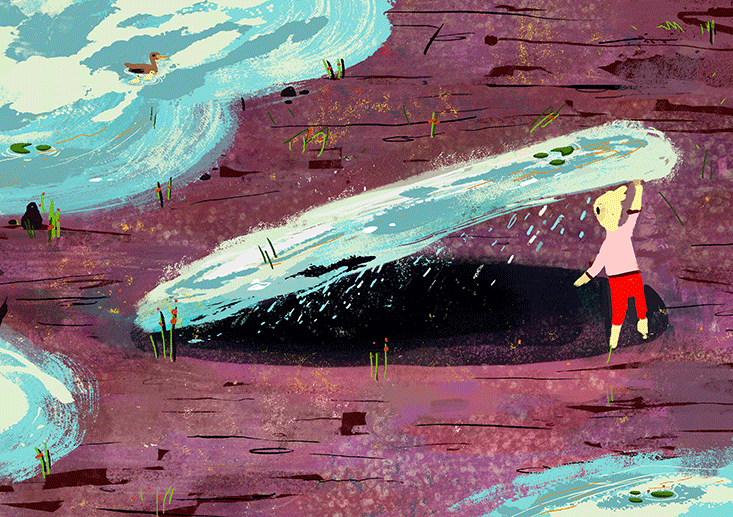
Five Things We Still Don’t Know About Water
From steam to ice, water continues to mystify.
-
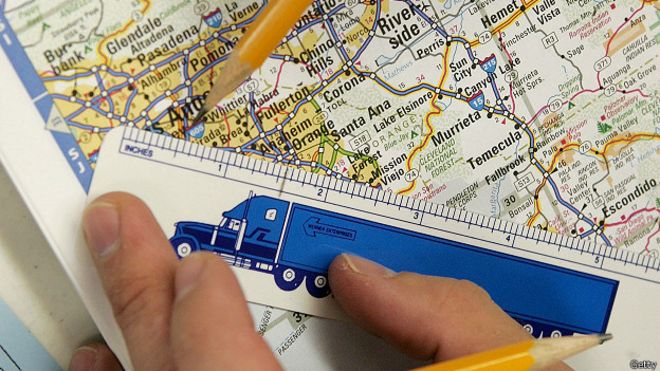
¿Por qué EE.UU. no adopta el sistema métrico como casi todo el mundo?
¿Qué tienen en común Estados Unidos, Liberia y Birmania, además de aparecer los tres en la lista de naciones en las que todavía es legal la pena de muerte? Que son los únicos países del mundo que no han adoptado oficialmente el sistema métrico decimal.
-
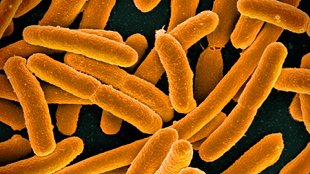
Circadian Clock Transplant
Scientists establish a functional circadian rhythm in bacteria that don’t possess one naturally.
-
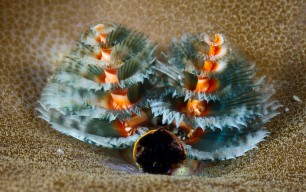
Alien rights
The question of what our moral obligations are to any alien life we might meet is already there. NASA scientists have stated publicly that we are likely to find life elsewhere in the Universe in 10-20 years, if not sooner. The first signs could come from Curiosity, the rover currently combing Mars for organic compounds,…
-
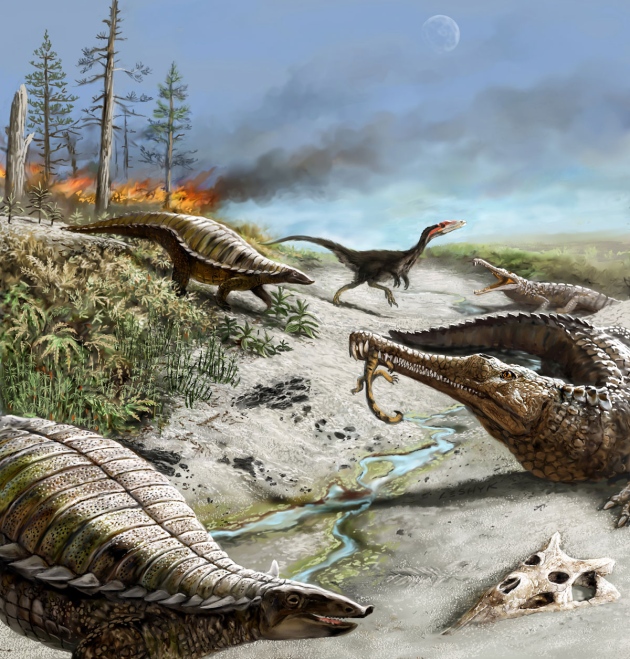
Extreme climate change slowed dinosaurs’ rise
Dinosaurs once dominated the world — but they spent their first 30 million years stranded on its geographic fringes. Large dinosaurs flourished near the poles, but only a few small ones, no larger than ostriches, managed to gain a foothold in the hotter low latitudes.