

Bloomberg
-
![[:es]AI Startups Promise to Help Disaster Relief and Evacuation[:]](https://katedra.eus/app/uploads/2017/11/1000x-1.jpg)
[:es]AI Startups Promise to Help Disaster Relief and Evacuation[:]
[:es]The companies want to save lives by predicting damage from hurricanes, wildfires, and earthquakes.[:]
-
![[:es]How to Teach a Computer What ‘Fair’ Means[:]](https://katedra.eus/app/uploads/2018/03/800x-1.jpg)
[:es]How to Teach a Computer What ‘Fair’ Means[:]
[:es]If humans are going to rely on algorithms, we’ll have to figure it out.[:]
-
[:es]Why Clocks Run Clockwise—and Some Watches That Don’t[:]
[:es]The reason is much older than clocks themselves[:]
-
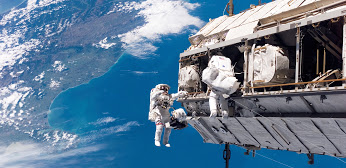
After 190 Tries, Are We Any Closer to a Cure for Alzheimer’s?
Drug development has focused on one facet of the disease, marginalizing other approaches.
-
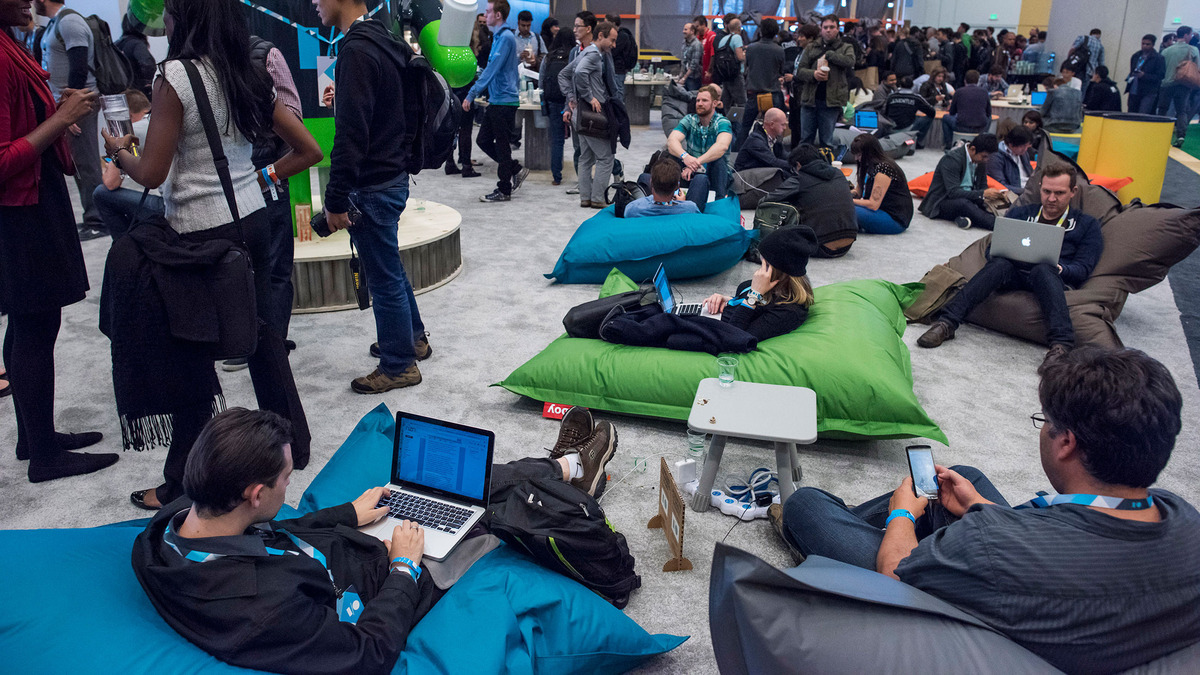
Google Seeks to Influence AI Research by Giving Software Away
The Web company, seeking to influence how people design, test, and run artificial-intelligence systems, is making its internal AI development software available for free.
-

Satellite Images Show Economies Growing and Shrinking in Real Time
Some 250 miles above the Earth, a flock of shoebox-size Dove satellites is helping to change our understanding of economic life below. Images from these and other satellites, combined with big-data software, are helping to create what former NASA scientist James Crawford calls a “macroscope” to “see things that are too large to be taken…
-
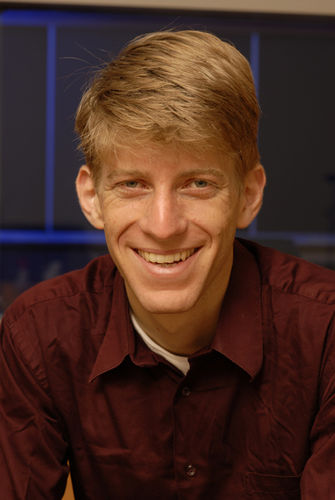
Harvard Scientist Lights Up Neurons to Find Brain Cures
The footage captures a neuron firing, letting researchers watch the signal flowing through an entire cell for the first time. Seeing these cells at work may let researchers track and measure brain activity, including firing patterns of cells affected by disorders like epilepsy or multiple sclerosis.