

Ciencia en los medios
-
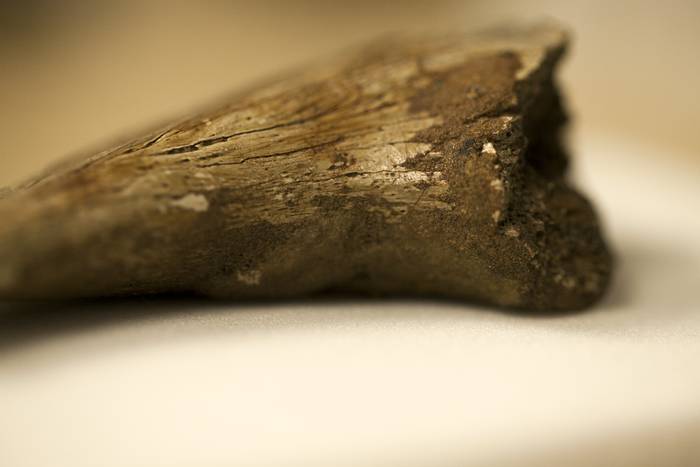
Ezohiko arrasto organikoak, duela 75 milioi urteko dinosauroen fosil arruntetan
Globulu gorriak eta kolageno-zuntzak diruditen egiturak atzeman dituzte Londresko Imperial Collegeko ikertzaile batzuek, duela 75 milioi urteko dinosauroen fosiletan. Aztertutako zortzi hezur-zatietatik seitan detektatu dituzte egitura organikoen arrastoak. Ikertzaileen esanean, aurkikuntzak adierazten du uste baino ohikoagoak izan daitekeela ehun bigunen hondarrak dozenaka milioika urteko fosiletan. Izan ere, nahita aukeratu dituzte aparteko kontserbazio-kondiziorik ez zuten laginak,…
-
Cyber-Espionage Nightmare
A groundbreaking online-spying case unearths details that companies wish you didn’t know about how vital information slips away from them.
-
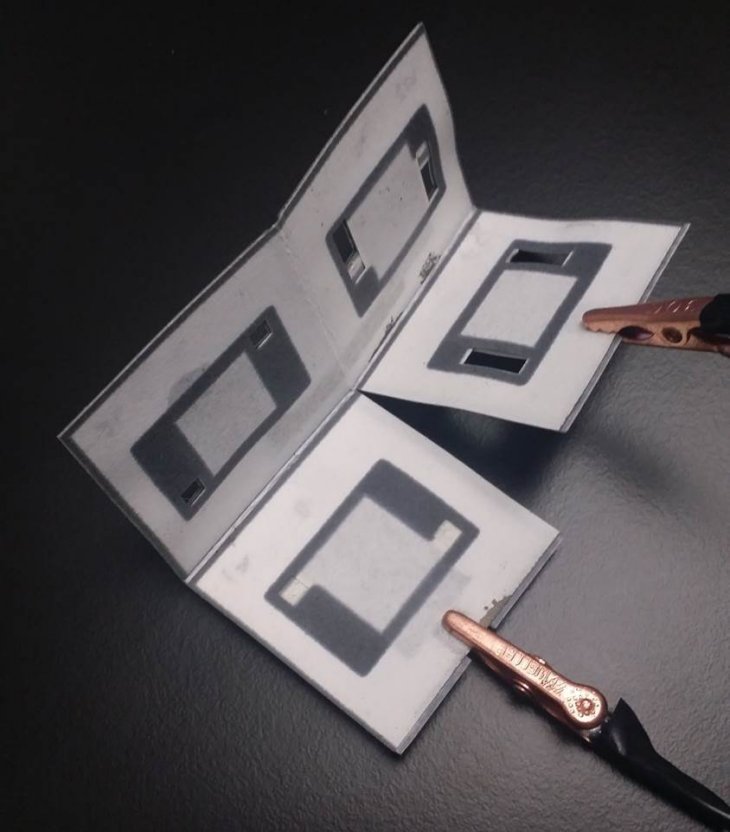
The foldable, five-cents battery powered by bacteria
A new origami paper battery, which is powered by bacteria and costs five US cents, could revolutionise the diagnosis of diseases in developing and remote areas.
-
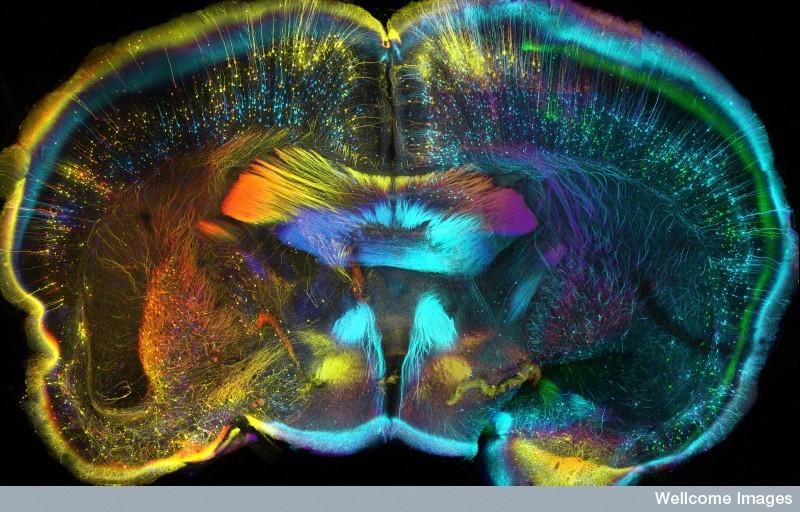
Music Was Once Thought To Be A Neural Pathogen
Music has powerful impacts on the mind and a strange relationship with science and society. It has now made its way into the clinic as a tool to help heal a variety of medical conditions. But at the same time, it’s been used as a device to torture captives in service of the War on…
-
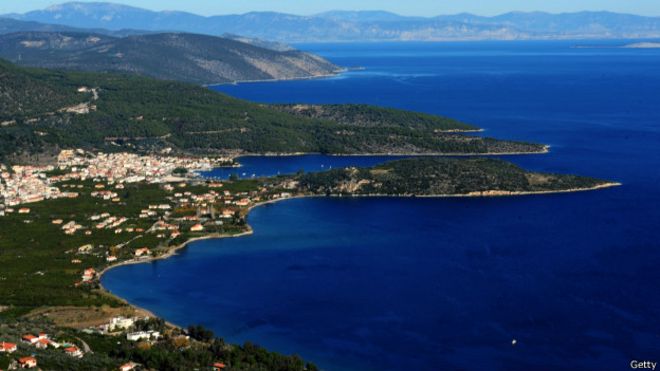
¿De qué color es realmente el mar?
Nuestra propia experiencia nos dice que el color del mar puede cambiar de manera significativa dependiendo del momento y el lugar: desde azules turquesas a verdes muy claros, pasando por azul oscuro, grises y marrones. ¿Por qué será entonces que todos creemos que el mar es azul?
-
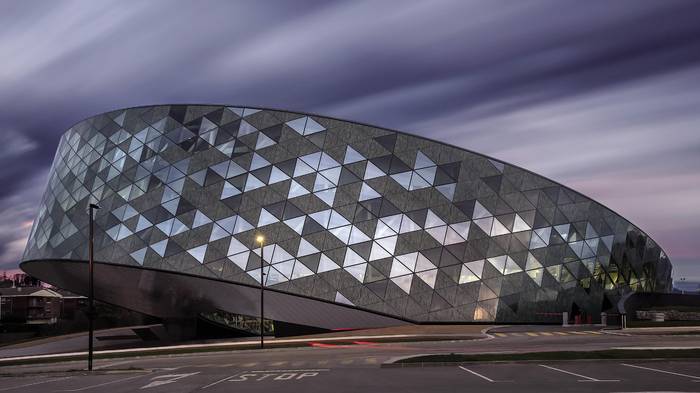
Zerora bidean, eraikuntza jasangarria
Eraikin jasangarrriak, bioklimatikoak, ekoeraginkorrak, berdeak, pasiboak, zero energiakoak… Modan dagoen arkitekturako korronte bat dirudi. Baina hori baino gehiago da. Araudiek jarritako bidea ere bada. Askorentzat, oso maldan gorako bidea. Beste batzuentzat, berriz, eraikin eredugarriak egiteko akuilua.
-
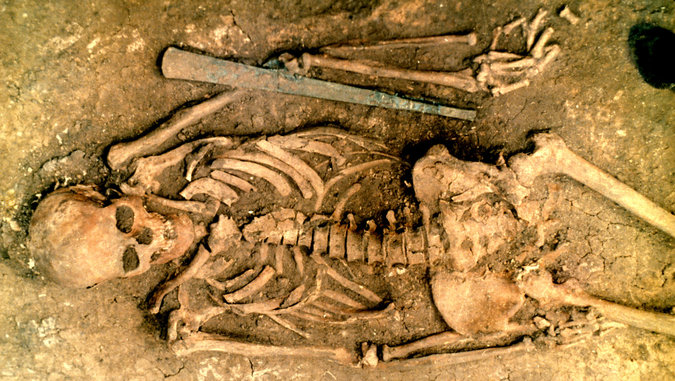
DNA Deciphers Roots of Modern Europeans
For centuries, archaeologists have reconstructed the early history of Europe by digging up ancient settlements and examining the items that their inhabitants left behind. More recently, researchers have been scrutinizing something even more revealing than pots, chariots and swords: DNA.
-
How Misperceptions About Math Contribute to the Science Gender Gap
Why are women so underrepresented in science, technology, engineering and maths, the so-called “STEM” subjects? It’s an enduring question that doesn’t have an easy answer, and is likely influenced by a whole slew of social, personal, and practical factors permeating the pipeline from school through to adulthood.
-

Can gaming help me see in 3D?
At 42, Nic Fleming discovered that he has never really seen in three dimensions. Can new therapies based on video games fix his lazy eye and give him his first glimpse of life in 3D?