

Ciencia en los medios
-
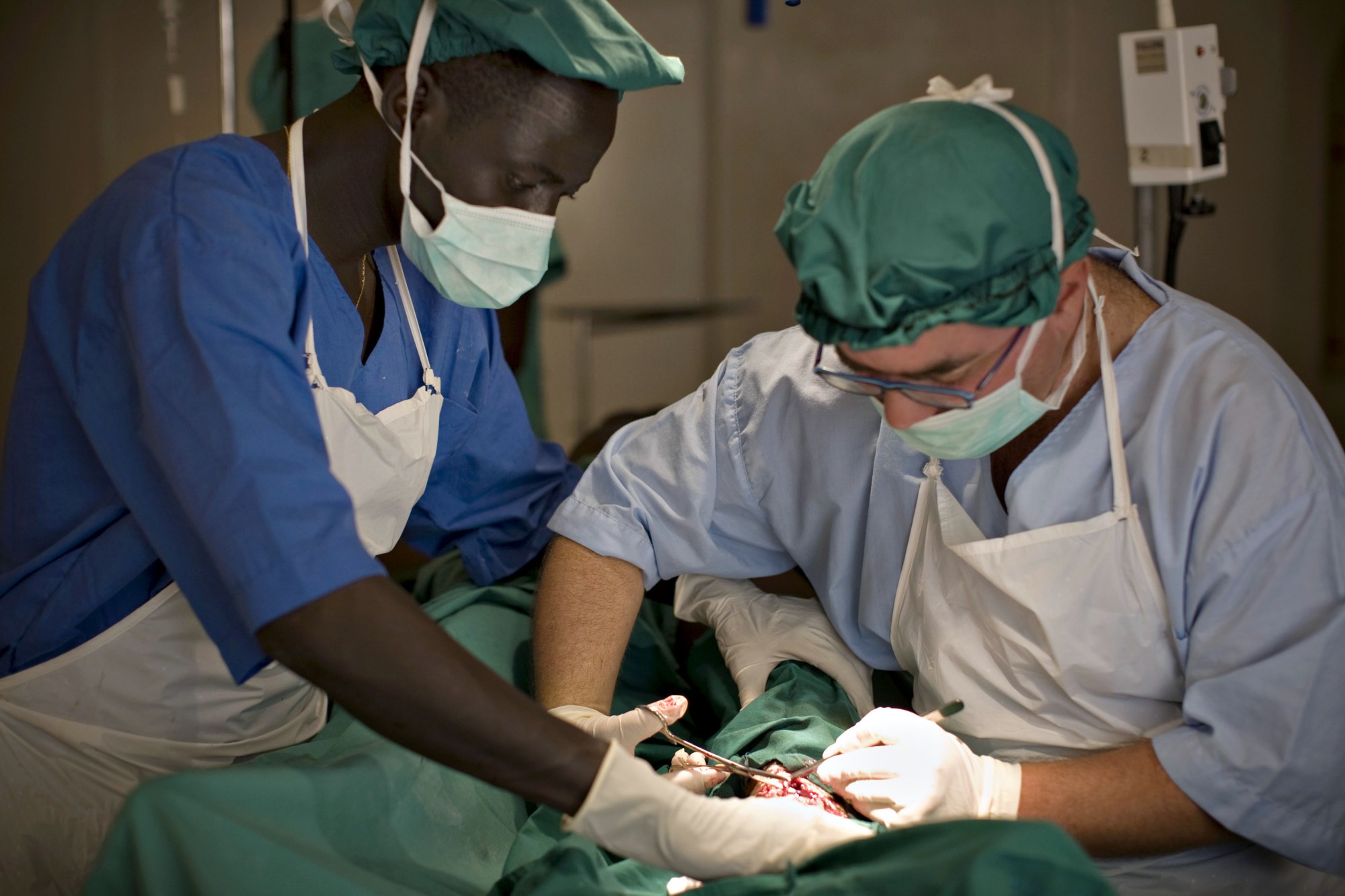
South Africa’s botched circumcisions led to surgeons performing the first penis transplant
The young man was there because just three years earlier he had had his penis amputated in order to save his life after a local circumcision had gone badly wrong. The surgery he underwent in December was declared a success just four months later: he was the recipient of the first-ever penile transplant to result in full functionality.
-
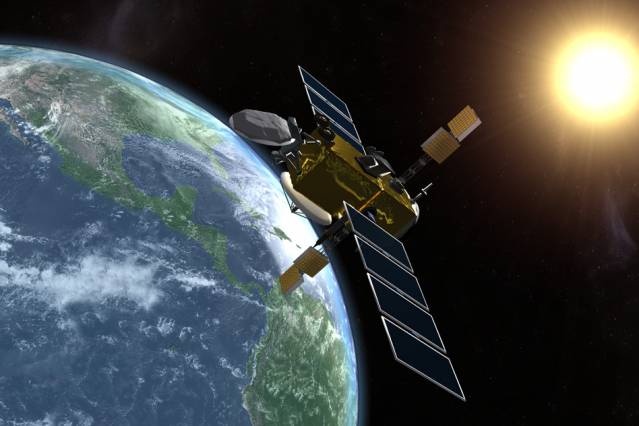
Electrospray thruster makes small satellites more capable
Small satellites are becoming increasingly popular tools for Earth-imaging, communications, and other applications. But they have major control issues: Once in space, they can’t accurately point cameras or change orbit, and they usually crash and burn within a few months. MIT spinout’s electric-propulsion system improves maneuverability of small satellites.
-
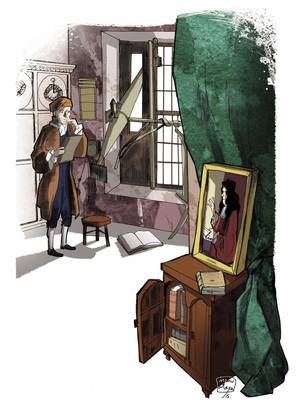
Argiaren denborak
“Eta argiak, benetan, denbora bat beharko balu Jupiterretik hona iristeko?” pentsatu zuten. Cassini eta Rømer azalpen baten bila zebiltzan; ezin baitzuten ulertu zergatik Ioren eklipseak batzuetan espero baino lehenago gertatzen ziren, eta besteetan beranduago. Eta argiaren kontu horrek azal zezakeen. Baina orduan, argiak abiadura finitua zuen, azkenean? Cassinik baztertu egin zuen ideia hura. Rømerrek berriz,…
-
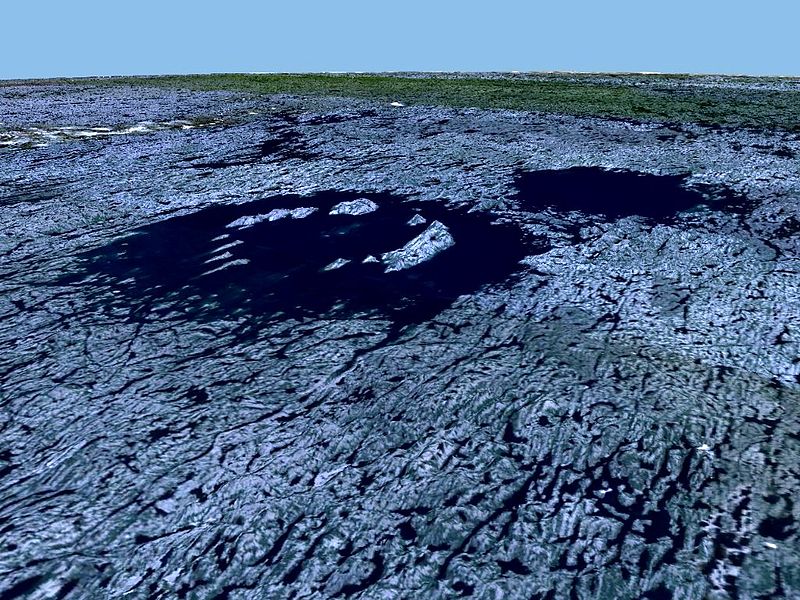
Double Impact Crater in Canada Formed in Two Separate Impacts
An asteroid smashing into a planet can dramatically alter the planet’s habitability by setting back evolution or even encouraging biodiversity. In order to understand how cosmic impacts influence life and the environment, scientists study the craters left behind. Some of these impact craters come in pairs, most likely caused by binary asteroids. A binary asteroid…
-
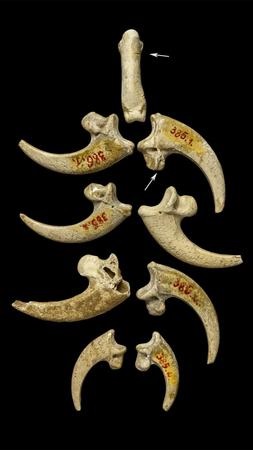
Neanderthals wore jewelry made of eagle talons, study finds
Even Neanderthals liked a little bling. A fresh examination of prehistoric eagle talons discovered more than 100 years ago reveals that our ancient relatives made and wore their own jewelry.
-
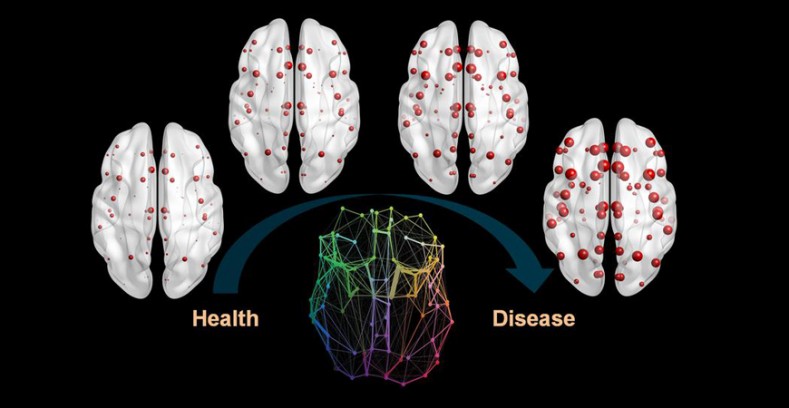
Rediseñando el mapa químico de la lengua: ¿es la grasa el sexto sabor?
Científicos australianos reúnen las pruebas sobre la ruta electroquímica que los ácidos grasos ponen en marcha entre nuestra lengua y nuestro cerebro. De confirmarse, habría que cambiar los libros de texto para añadir un nuevo sabor.
-
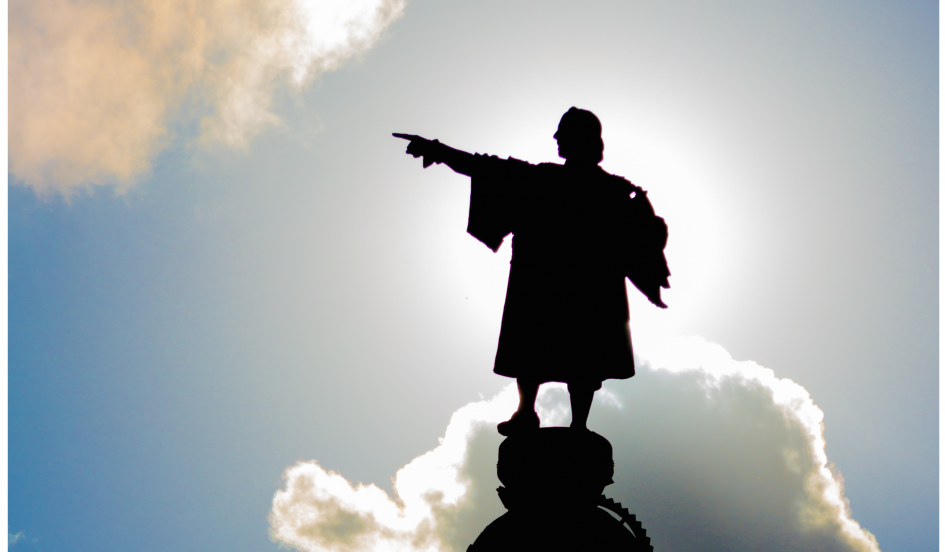
Did the Anthropocene Begin with the Deaths of 50 Million Native Americans?
Christopher Columbus’ arrival in the “new world” in 1492 marked the start of an epoch of mass death. An estimated 50 million inhabitants of North, Central, and South America died between that date and the mid 1600s, from warfare, enslavement and the rapid spread of European disease among the native populations — who had no…
-
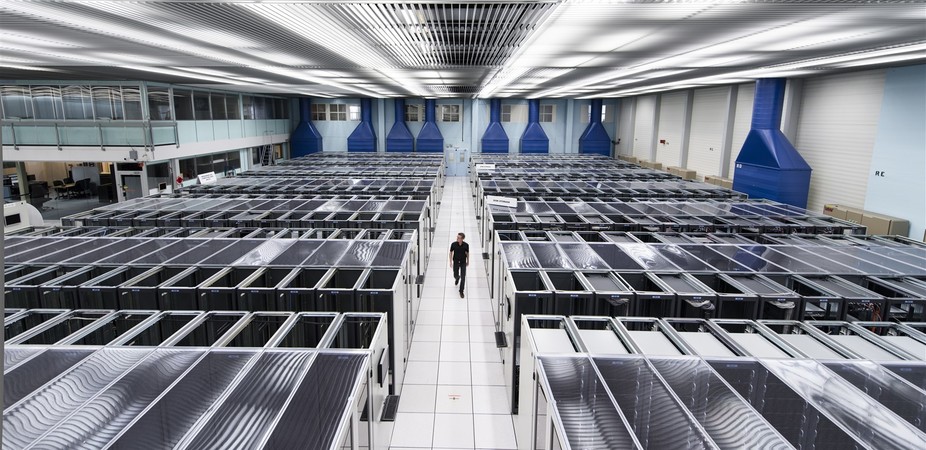
Number-crunching Higgs boson: meet the world’s largest distributed computer grid
The world’s largest science experiment, the Large Hadron Collider, has potentially delivered one of physics’ “Holy Grails” in the form of the Higgs boson. Much of the science came down to one number – 126, the Higgs boson’s mass as measured in gigaelectronvolts. But this three-digit number rested upon something very much larger and more…
-
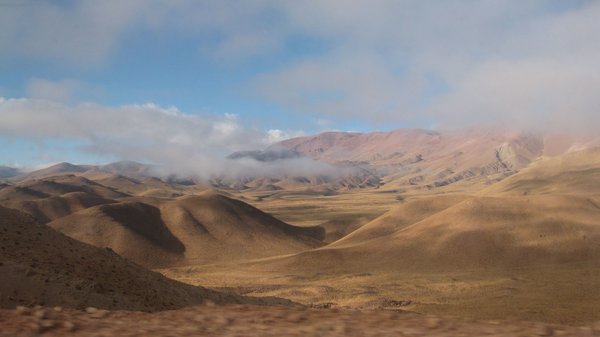
An Unlikely Driver of Evolution: Arsenic
Arsenic can poison people today through exposure to pesticides and pollution. But arsenic is also naturally present in the water and soil in some parts of the world. The Atacama Desert, sitting on top of arsenic-rich volcanic rock, is one of them. The concentration of arsenic in Atacama drinking water can be 20 times higher…