

Science
-
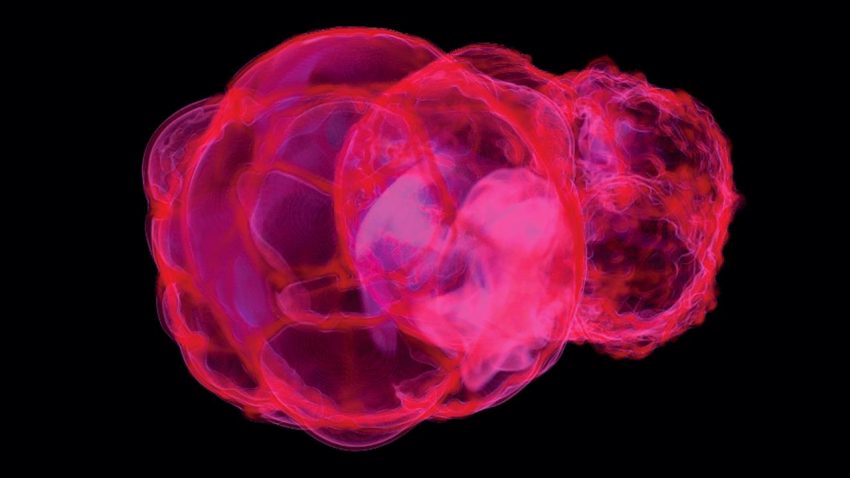
Earth barraged by supernovae millions of years ago, debris found on moon
It sounds like the plot of a disaster movie: A nearby star explodes as a supernova, outshining the sun in the sky. The fleeting light show blows away Earth’s ozone layer, leaving the planet’s inhabitants—human and otherwise—exposed to the full force of the sun’s radiation. Cancer skyrockets, crops fail, and civilization falls apart. Far-fetched, perhaps,…
-
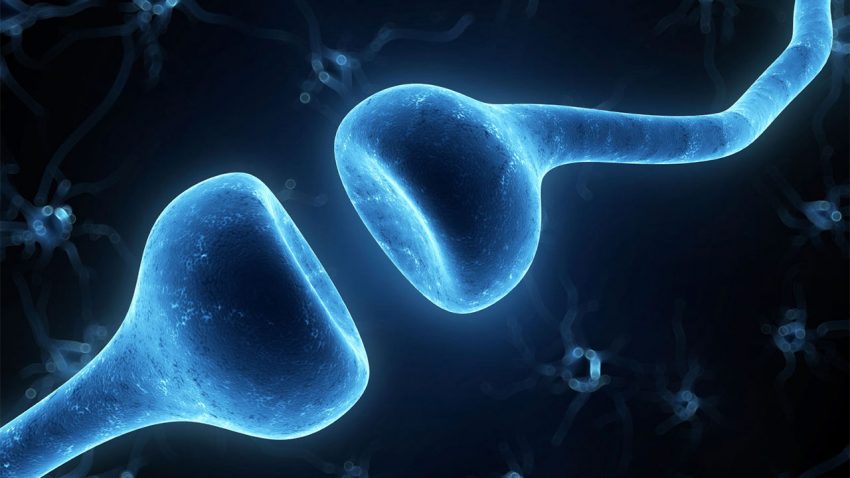
Alzheimer’s may be caused by haywire immune system eating brain connections
More than 99% of clinical trials for Alzheimer’s drugs have failed, leading many to wonder whether pharmaceutical companies have gone after the wrong targets. Now, research in mice points to a potential new target: a developmental process gone awry, which causes some immune cells to feast on the connections between neurons.
-
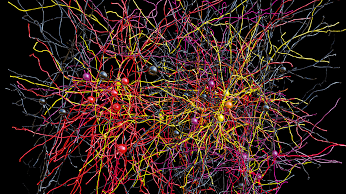
Scientists create largest map of brain connections to date
To map the roughly 1300 connections, or synapses, between the cells, researchers used an electron microscope to take millions of nanoscopic pictures from a speck of tissue not much bigger than a dust mite, carved into nearly 3700 slices.
-

Milky Way’s black hole may be spewing out cosmic rays
Mysterious high-energy particles known as cosmic rays zip through space at a wide range of energies, some millions of times greater than those produced in the world’s most powerful atom smasher. Scientists have long thought cosmic rays from inside our galaxy come from supernova explosions, but a new study has fingered a second source: the…
-

Corrupt societies encourage lying
When do we decide it’s OK to tell a lie? Perhaps when we see people in positions of power doing the same. A new study finds that individuals are more likely to lie if they live in a country with high levels of institutional corruption and fraud—suggesting that poorly run institutions hurt society in more ways…
-
Astronomers spot galaxy born near the birth of the universe
Thoroughly smashing a distance record set just last year, astronomers have discovered a galaxy that lies 13.4 billion light-years from Earth—and thus shone forth when the universe was less than 3% of its current age of 13.8 billion years.
-
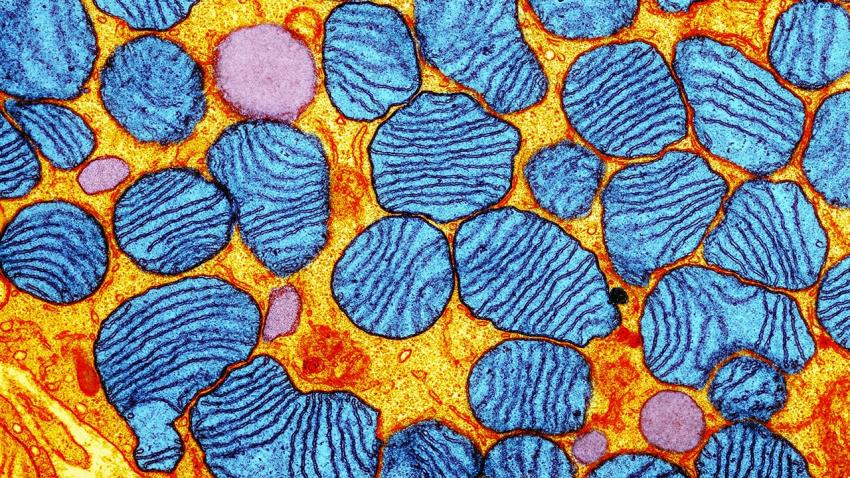
Oxygen deprivation counters deadly mitochondrial disease in animals
For most creatures, oxygen is life. But biology is complicated, and researchers hoping to treat diseases in which our cells’ energy-providing machinery is faulty now suggest the opposite may also be true: Depriving cells of oxygen could be a boon to health. The unexpected idea has been tested only in cells and animals so far,…
-
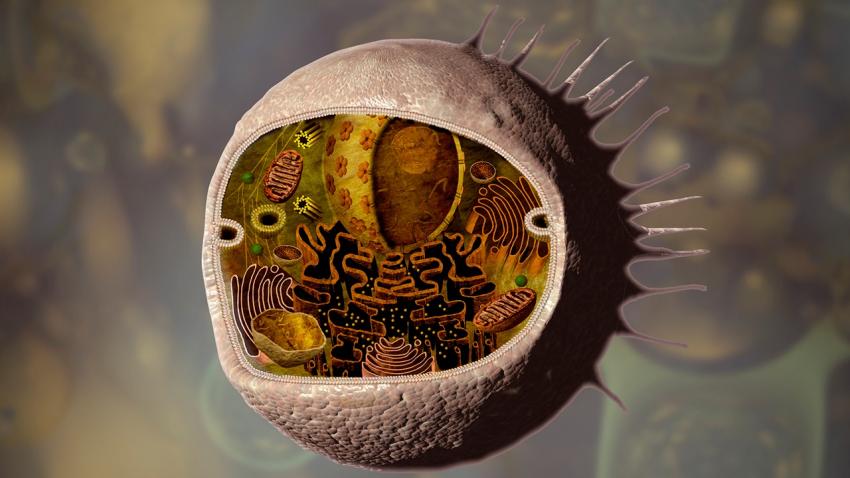
Why do our cell’s power plants have their own DNA?
It’s one of the big mysteries of cell biology. Why do mitochondria—the oval-shaped structures that power our cells—have their own DNA, and why have they kept it when the cell itself has plenty of its own genetic material? A new study may have found an answer.
-
Why is it so hard to squash a cockroach?
Insects, whether they creep or fly, live in a world of hard knocks. Who has not stepped on a cockroach, then raised her shoe to watch the creature get up and scoot under a door? Bees and wasps, for their part, face a never-ending obstacle course of leaves, stems, and petals—bumblebees crash their wings into…