

Science in the media
-
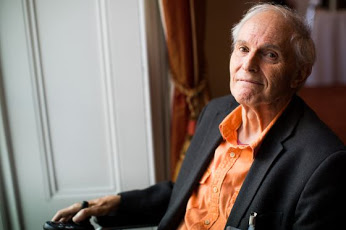
Hallado el primer fragmento del asteroide que cambió la vida en la Tierra
Un equipo de geólogos encuentra en Suecia un resto de una colisión en el Sistema Solar 1.000 veces mayor que la que aniquiló a los dinosaurios
-
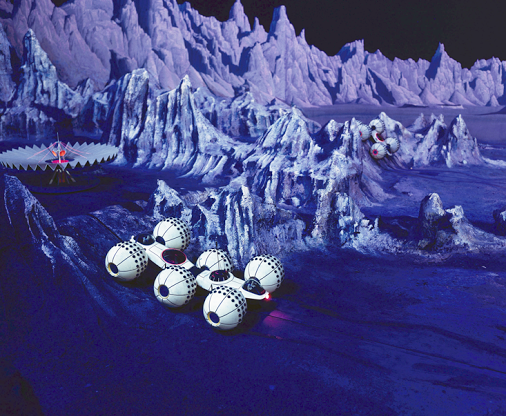
Selfishness Is Learned
We tend to be cooperative—unless we think too much.
-
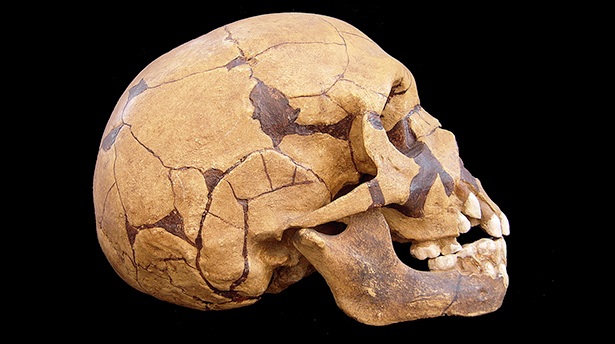
The Downside to Neanderthal DNA
The regions of DNA around our genes are conspicuously absent of Neanderthal DNA, suggesting that natural selection weeded it out. Now Rasmus Nielsen of the University of California, Berkeley, and […]
-

Machine-Vision Algorithm Learns to Transform Hand-Drawn Sketches Into Photorealistic Images
Deep neural networks are beginning to outperform humans in a rapidly increasing variety of vision-related tasks.
-
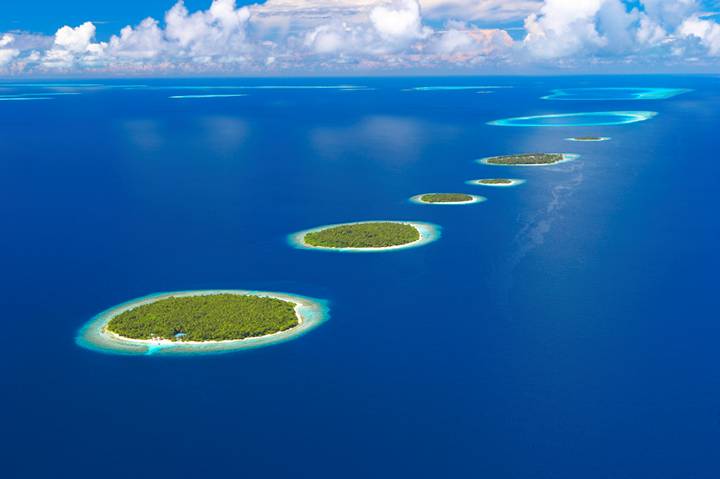
Bikini, hutsik
Duela 50-60 urte, estatubatuarrek 67 proba nuklear egin zituzten Marshall Uharteetan. Australiaren ipar-ekialdean daude uharte horiek, eta haietako bat da Bikini, bi zatiz osatutako bainujantziari izena eman diona. Garai hartan, […]
-
What Does Beauty Have To Do with Physics?
Physicists often describe their earliest experiences with the field as borderline spiritual, moments in which they realized that they—they!—can represent the world with math.
-
La ciencia revela quién es el superhéroe más poderoso
Los estudiantes de la Universidad de Leicester han medido la viabilidad de algunos de los héroes más populares del mundo del cómic.
-
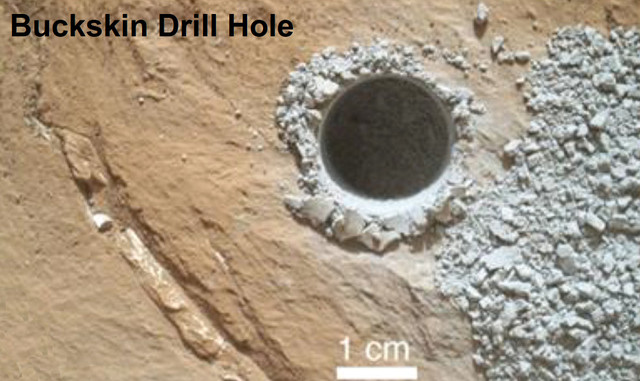
Curiosity detecta vulcanismo ‘silícico’ en Marte
Podría tratarse de la primera prueba in situ de procesos volcánicos con magmas ricos en sílice en Marte, además de confirmar la compleja historia geológica del planeta rojo.
-
Por qué un guacamayo es tan listo como un macaco
Descubren que el cerebro de las aves tiene mayor densidad de neuronas que el de los primates, lo que podría explicar sus comportamientos complejos y la capacidad para resolver problemas.