

Science in the media
-
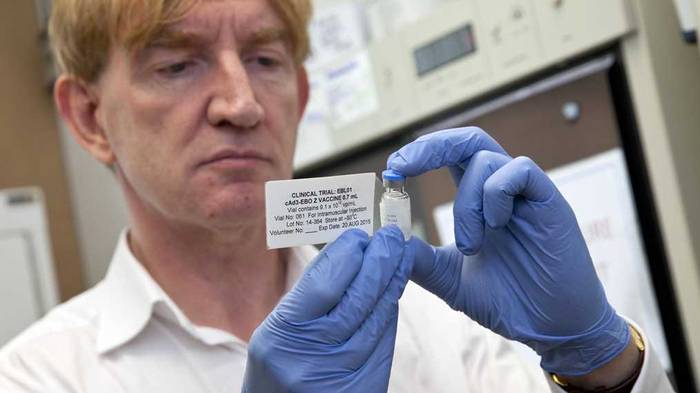
Ebolaren aurkako borroka ez da amaitzen txertoa lortzearekin
Okerrik ez bada, aurten edo datorren urtean merkaturatuko da ebolaren txertoa. Horri esker, gaitza kontrolatzea espero dute adituek. Johns Hopkins ospitaleko ikertzaileek The Lancet aldizkarian gogorarazi dutenez, ordea, txertoa lortzea lehen pausoa baino ez da. Hain zuzen, haien ustez, zenbait oztopo gainditu beharko dira txertoa arriskuan dagoen populazioarengana iristeko, nor txertatu behar den erabakitzetik hasi…
-
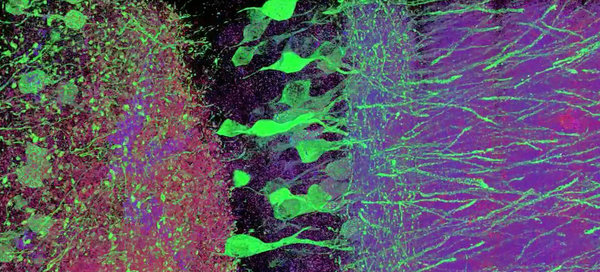
Expansion Microscopy Stretches Limits of Conventional Microscopes
A new laboratory technique enables researchers to see minuscule biological features, such as individual neurons and synapses, at a nearly molecular scale through conventional optical microscopes.
-
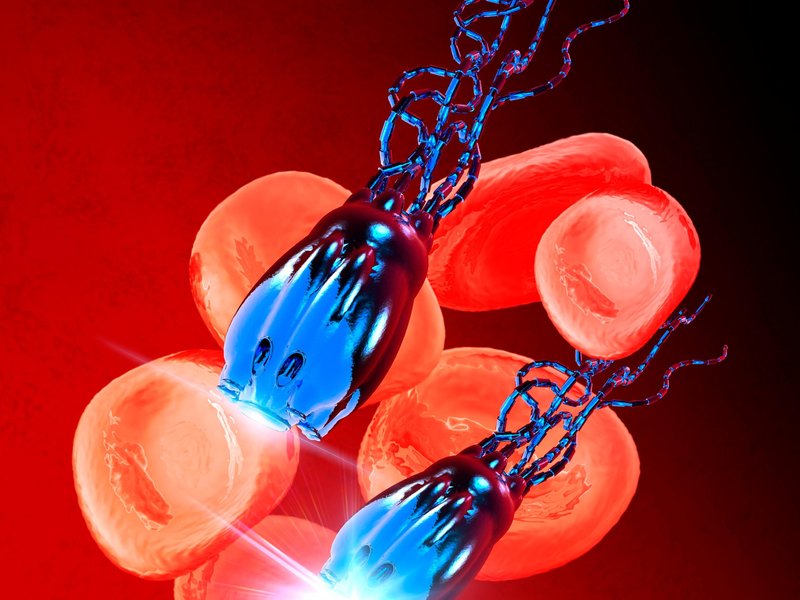
Scientists Test Out Tiny Robots Meant to Travel Inside a Human Body
The first test of micro-machines on a living mouse marks a breakthrough in the field of nano-robotics
-
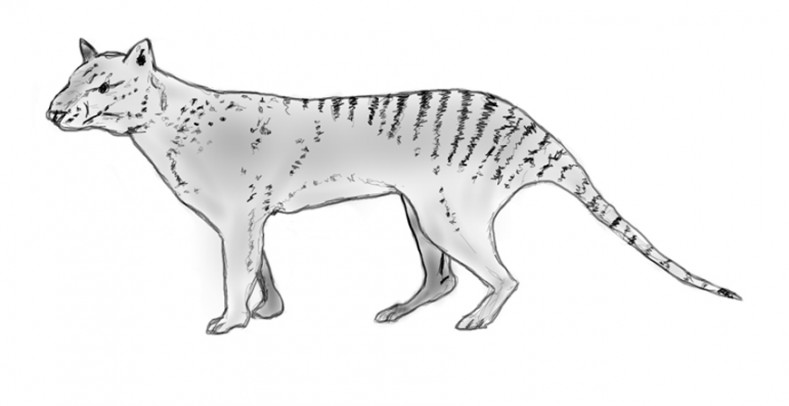
El calor y la sequedad del clima han condicionado las lenguas del mundo
La novedosa hipótesis surge del análisis de más de 3.700 lenguas del planeta. Los datos indican que en los lugares más áridos las lenguas son menos complejas tonalmente, mientras que los idiomas se enriquecen en lugares como los trópicos.
-

Un algoritmo clasifica películas mejor que críticos expertos
La relevancia de una obra artística es subjetiva. Sin embargo, científicos estadounidenses han creado un método estadístico que valora la calidad, el impacto y la influencia de un trabajo creativo. Tras analizar más de 1.500 películas, y comparar los resultados de su sistema con el Registro Nacional de Cine de EE UU, los autores están…
-
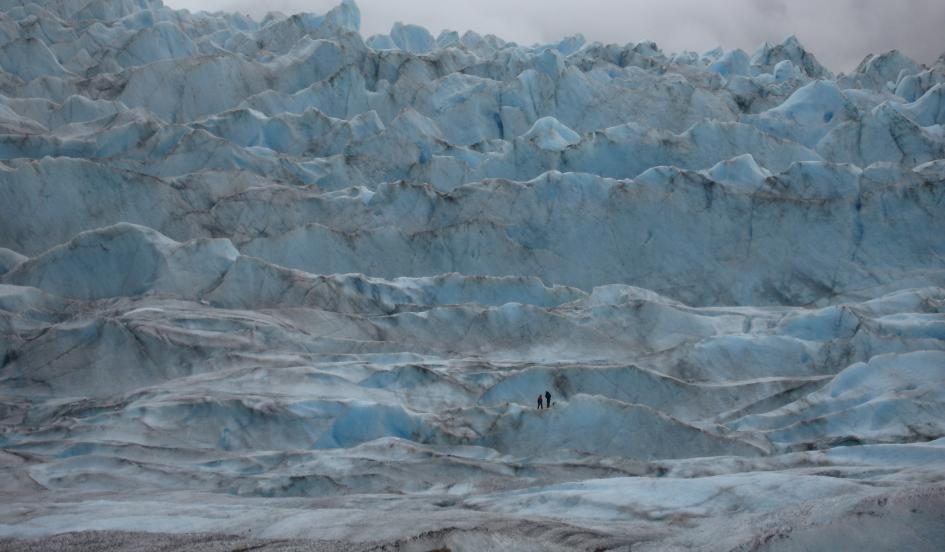
Not Just Sea Level Rise: Melting Glaciers Release Vast Amounts of Carbon, Study Finds
As the world warms, glaciers around the world are rapidly hemorrhaging ice and threatening catastrophic sea level rise. But melting glaciers also pose another kind of menace: the release of vast amounts of stored organic carbon into waterways.
-

Why the modern world is bad for your brain
In an era of email, text messages, Facebook and Twitter, we’re all required to do several things at once. But this constant multitasking is taking its toll. Here neuroscientist Daniel J Levitin explains how our addiction to technology is making us less efficient
-

Are earthquakes also earth burps?
Researchers have found that Earth belches a potent greenhouse gas known as tetrafluoromethane (CF4) during earthquakes and other tectonic events. The emissions likely aren’t making a significant contribution to global warming, but the findings could change the way scientists model future climate scenarios. They also complicate the use of CF4 as a way to measure…
-
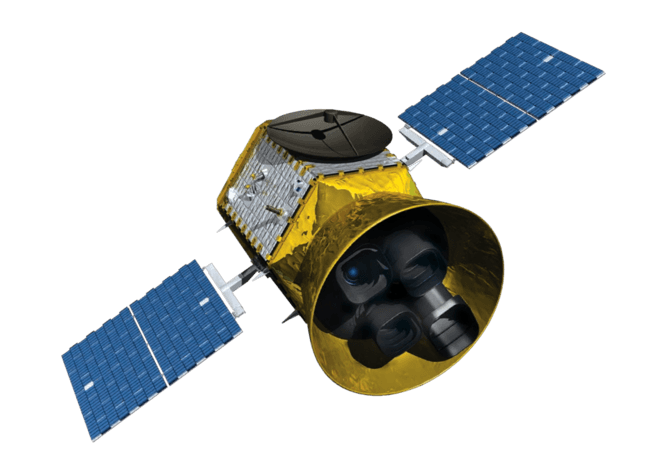
After Kepler, what is next for the planet hunters?
The Kepler telescope is limping. Since 2013, it has not been able to point with sufficient accuracy to planet hunt in its original field, which caused a temporary halt to data collection. Although a fresh “K2” mission is underway to utilise Kepler’s substantial remaining capabilities, eyes are turning to the next big planet finding mission.…