

Science in the media
-
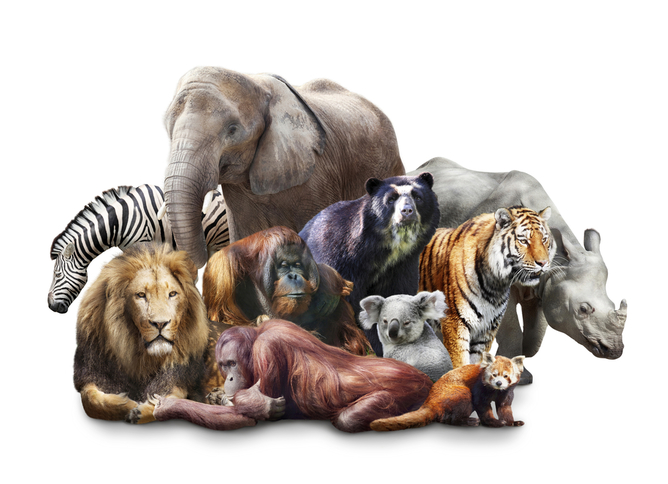
We’re all mammals – so why do we look so different?
It is easy to distinguish a mouse from a cow. But for members of the same class of mammal, where do such differences begin? In 2011, scientists discovered there were differences in cow and mice blastocysts, the tiny hollow spheres of cells which precede the development of the embryo.
-
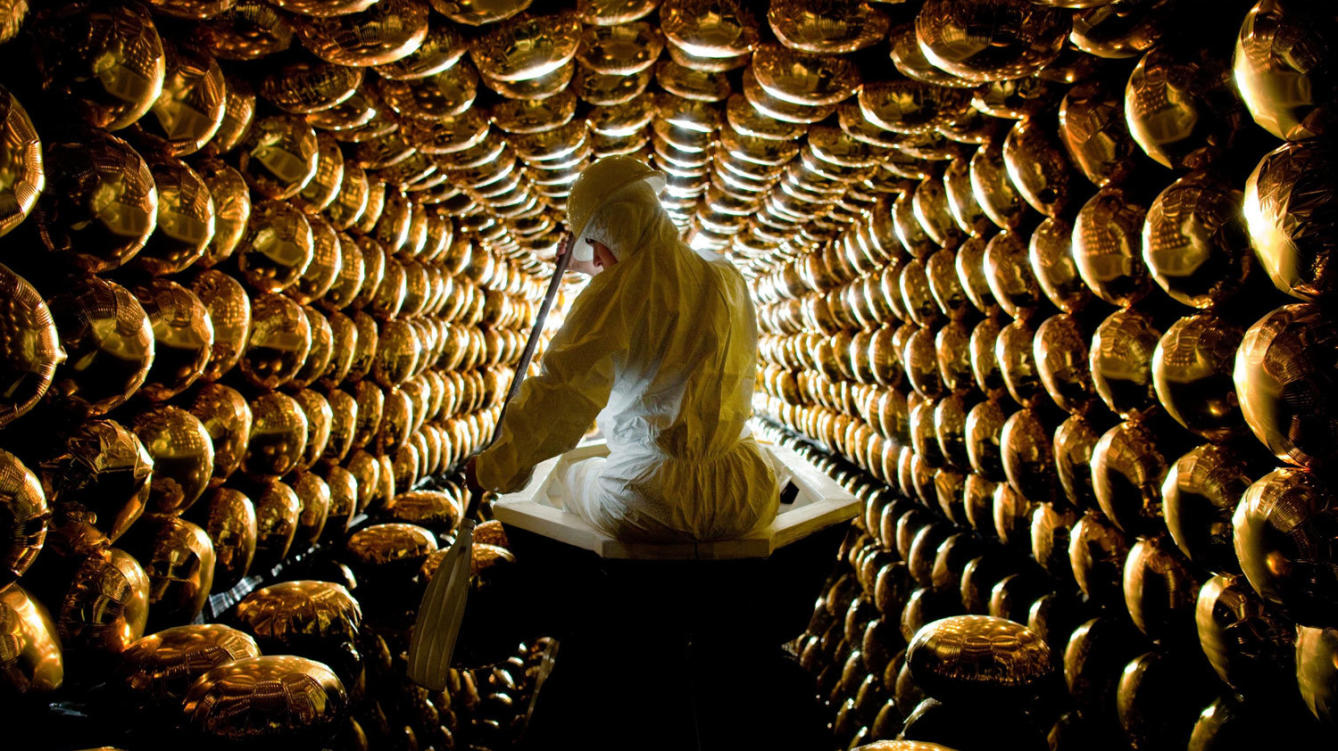
Un científico español a la caza del neutrino en Japón
Mil millones de euros, un millón de toneladas y 13 países formarán Hyper-Kamiokande, un megaexperimento en Japón. El físico español Luis Labarga es uno de los impulsores del proyecto.
-
What goes on inside a proton?
Quarks and gluons make weird slopes and shapes inside the proton. Understanding them precisely was important for the first results from Cern’s Large Hadron Collider, and continues to be so as we approach the restart over the next few weeks
-
El sol sigue provocando cáncer de piel cuando estamos en la oscuridad
Un equipo de investigadores descubre que la melanina, además de protegernos, lleva a cabo un proceso que daña el ADN horas después de la exposición al sol. El descubrimiento puede cambiar la forma en que nos protegemos de las radiaciones.
-
Is Your Theory of Everything Pure Enough?
Fundamental theories of nature aren’t allowed to hide information.
-
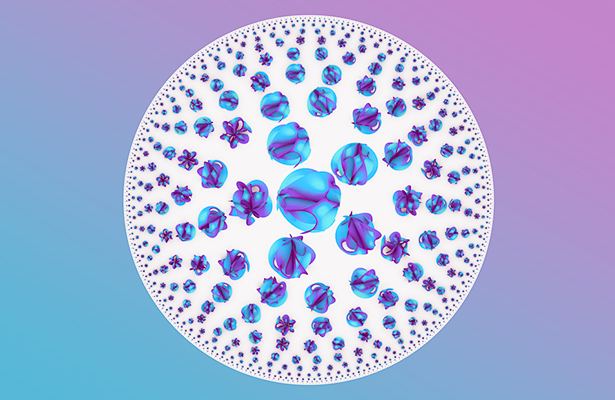
In Fake Universes, Evidence for String Theory
Researchers are demonstrating that, in certain contexts, string theory is the only consistent theory of quantum gravity. Might this make it true?
-
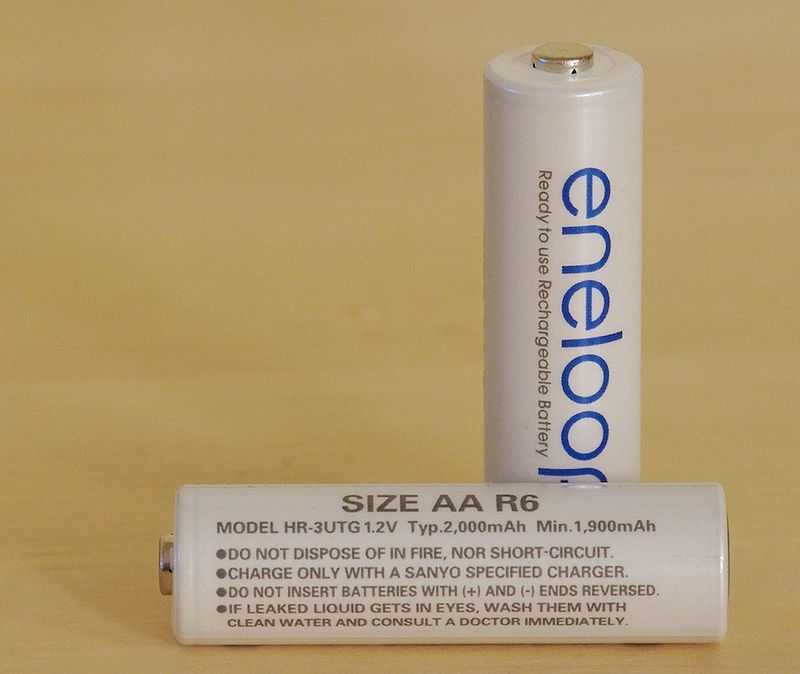
Old Battery Type Gets an Energy Boost
The chemical company BASF says the basic type of battery used now in hybrids could be improved tenfold, leading to cheaper electric cars.
-
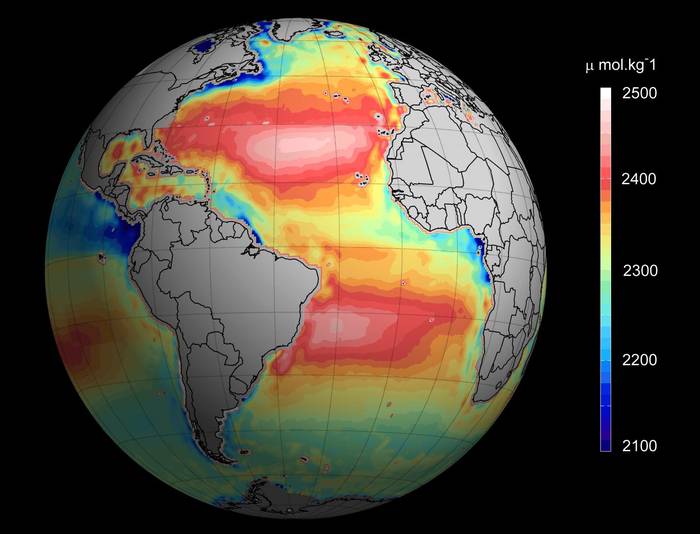
Ozeanoen azidotasuna satelite bidez neurtu dute
Teknika berriak erabiliz, itsasoren azidotasuna satelite bidez neurtu du nazioarteko ikertzaile-talde batek. Lehen hurbilketa bat da, eta bere mugak ditu, baina oso baliagarria izan liteke ozeanoen azidotze globalaren jarraipena egiteko.
-
Hunting the silent killer
Hepatitis C has a cure, but how do we find those who need it? Patrick Strudwick reports on one attempt to identify some of the estimated 100,000 undiagnosed people in the UK.