

Science in the media
-
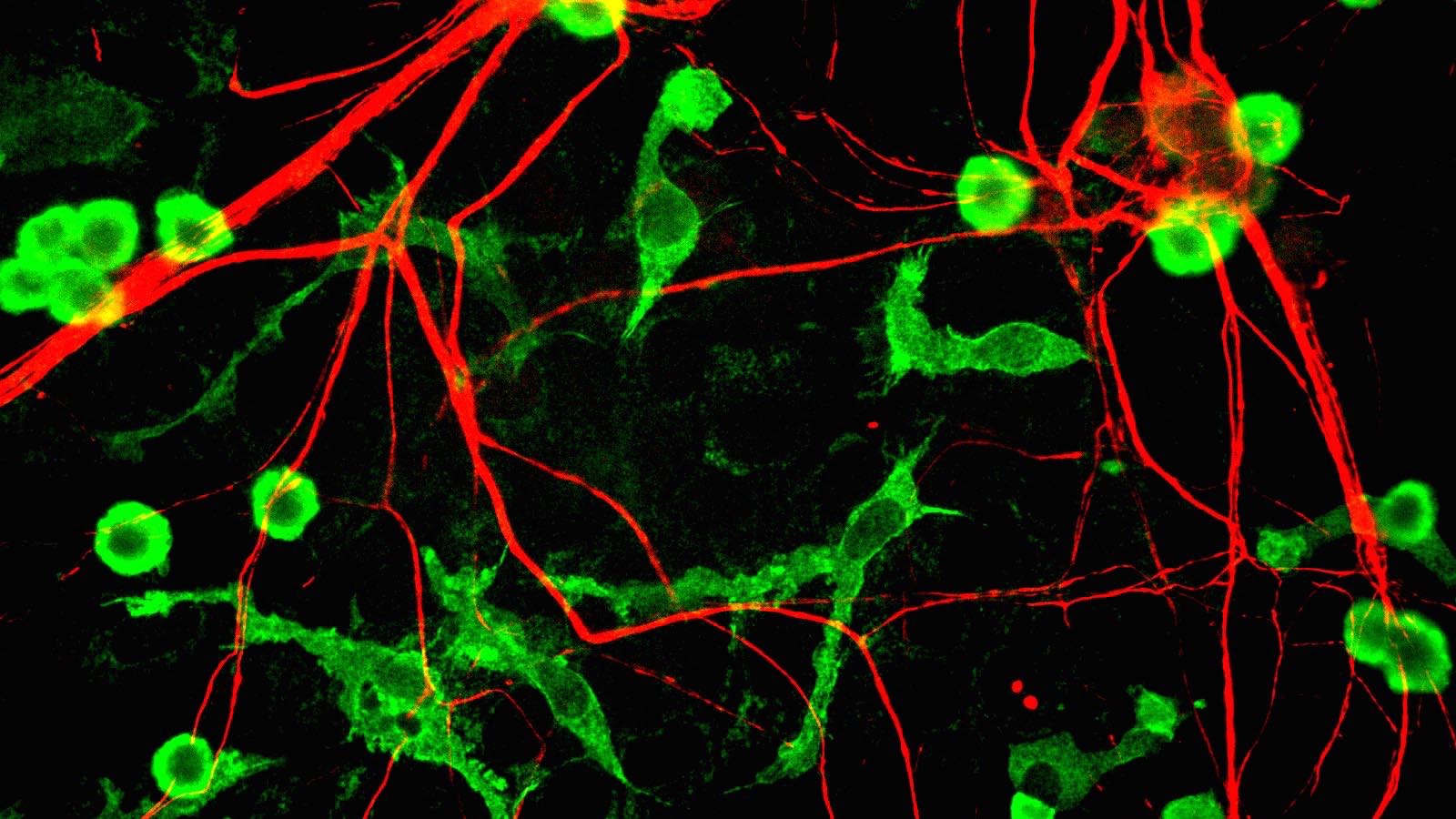
An Inflammatory Theory of Brain Disease
While it’s often thought of as a one-time event, traumatic brain injury is better described as a disease: it’s irreversible, sometimes progressive, and often affects people for the rest of their lives.
-
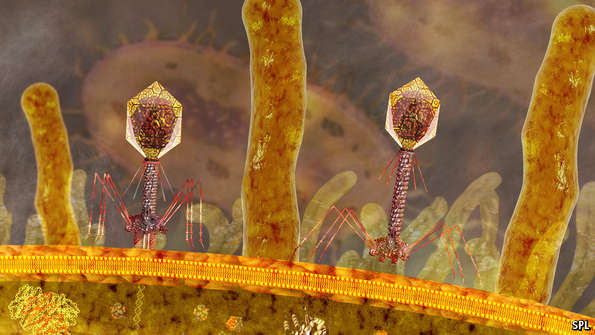
Strange medicine
SET a thief to catch a thief is an old proverb. In the 1920s, shortly after the discovery of viruses, it was put to good use by doctors. They found they could treat certain infections with bacteriophages—viruses that attack bacterial cells but not mammalian ones.
-

Sex, lives and disability
What can disabled bodies teach us about sex, and why should we listen?
-
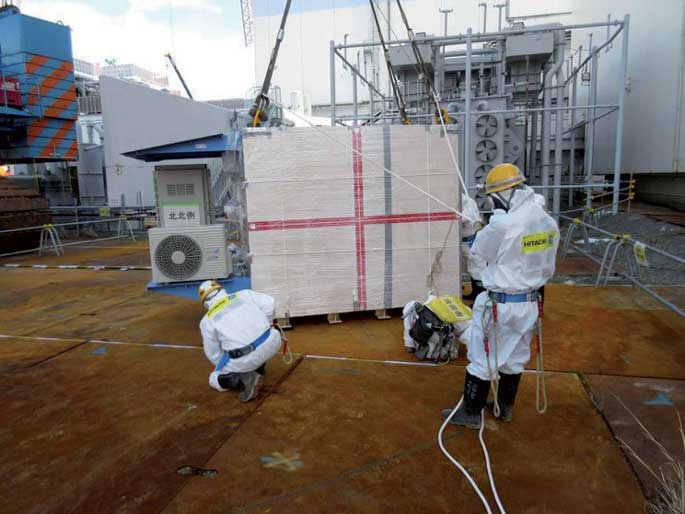
Partikula subatomikoak Fukushimako erregaia bilatzeko
Martxoaren 11n lau urte beteko dira Fukushimako zentral nuklearra lehertu zenetik. Ikerlariak bat datoz historiako istripu nuklearrik kutsagarriena izan dela, baina ez dira ados jartzen izango dituen ondorioez. Orain arteko ondorioak ebaluatzea, berriz, zaila da, erradiazioak ez diolako momentuz isurtzeari utzi, nola airean hala uretan.
-
La máquina Z ayuda a explicar cómo se formó el manto de la Tierra
Los resultados de un experimento apuntan a que el hierro llegó al manto tras violentas colisiones que formaron grandes nubes alrededor del planeta. Los modelos predecían que el hierro debía caer hacia el núcleo, pero el metal se acumuló por acreción.
-
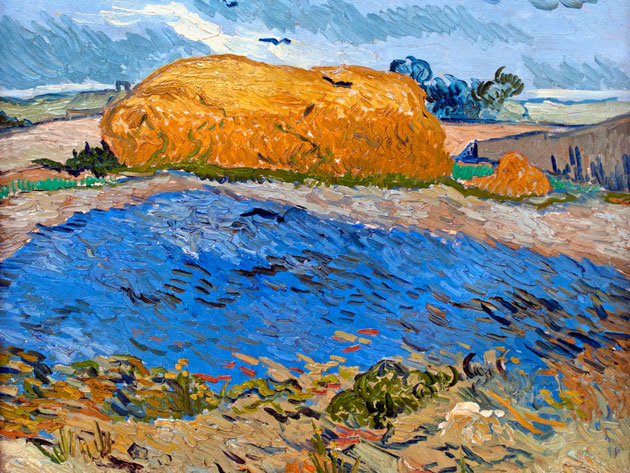
Shedding light on fading reds in Van Gogh’s paintings
The vibrant red leaves on the pond in Vincent van Gogh’s Wheat stack under a cloudy sky are slowly transforming into the colour of the clouds above. Now, scientists in Belgium may have found the missing chemical link to explain why these reds are turning white.
-
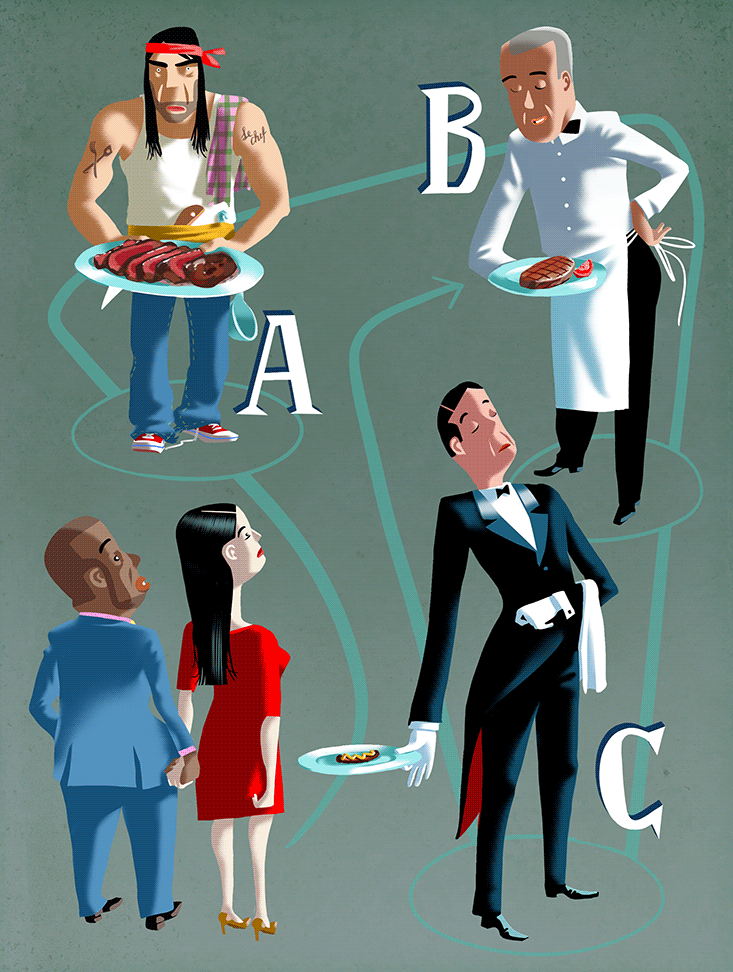
Yes, You’re Irrational, and Yes, That’s OK
Humans diverge from economic rationality. Researchers have found that all sorts of logically inconsequential circumstances—rain, sexual arousal (induced and assessed by experimenters with Saran-wrapped laptops), or just the number “67” popping up in conversation—can alter the value we assign to things.
-
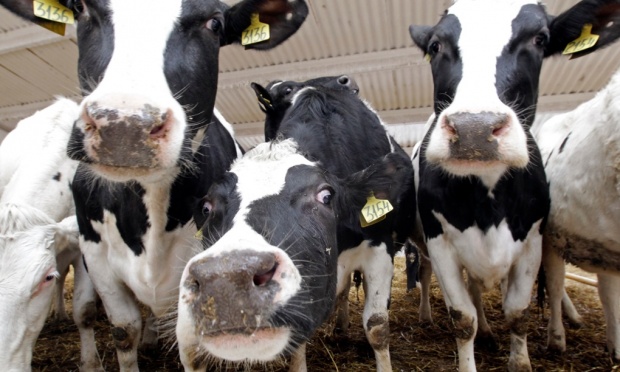
Mouse gene could help produce TB-resistant cattle, study shows
Breakthrough as scientists in China produce genetically modified animals that are more difficult to infect with tuberculosis
-
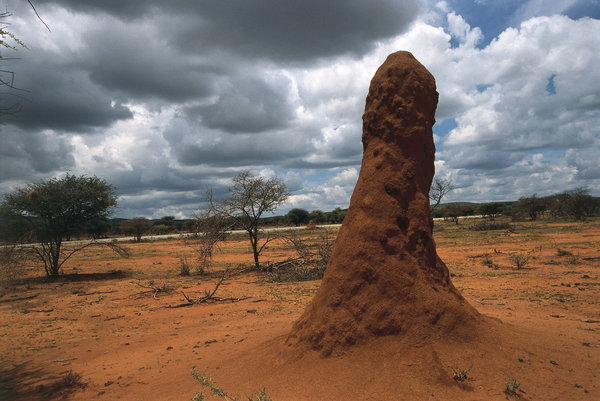
Termites: Guardians of the Soil
Researchers at Princeton University and their colleagues recently reported in the journal Science that termite mounds may serve as oases in the desert, allowing the plants that surround them to persist on a fraction of the annual rainfall otherwise required and to bounce back after a withering drought. The mounds could thus prove potential bulwarks…